
Industry Insights & Botanical Science
Discover technical research, ingredient innovations, and global health market trends from ISN Biotech Co., Ltd.
The 2026 search for the best Plant-Based Active Ingredients suppliers requires more than attractive sustainability claims. Brands need reliable partners who can prove origin, performance, and manufacturing consistency. A botanical extract may look promising on paper, yet its quality can change with climate, harvest timing, and extraction methods.
This guide examines suppliers through practical evidence, including ingredient traceability, standardized active levels, certificates of analysis, microbiological testing, and stability data. It also considers formulation support, minimum order quantities, documentation quality, and responsiveness during product development. Experienced suppliers should explain how they control contaminants, protect sensitive compounds, and maintain batch-to-batch consistency. Clear INCI naming and regulatory documentation matter just as much as marketing appeal.
Real performance matters most.
The strongest companies often provide technical files, sample testing, and pilot-scale guidance before a commercial order. Some also share details about regenerative agriculture, fair sourcing, water use, and farmer partnerships. However, no supplier is perfect. Claims can be incomplete, testing may vary, and “natural” does not automatically mean effective or sustainable. That requires careful review.
This overview is designed to help cosmetic, personal care, and wellness brands compare credible suppliers for 2026. It focuses on measurable quality rather than fashionable language. Readers should still confirm regional requirements, current certifications, and formulation compatibility before making a purchasing decision. A trusted supplier should welcome those questions, not avoid them.
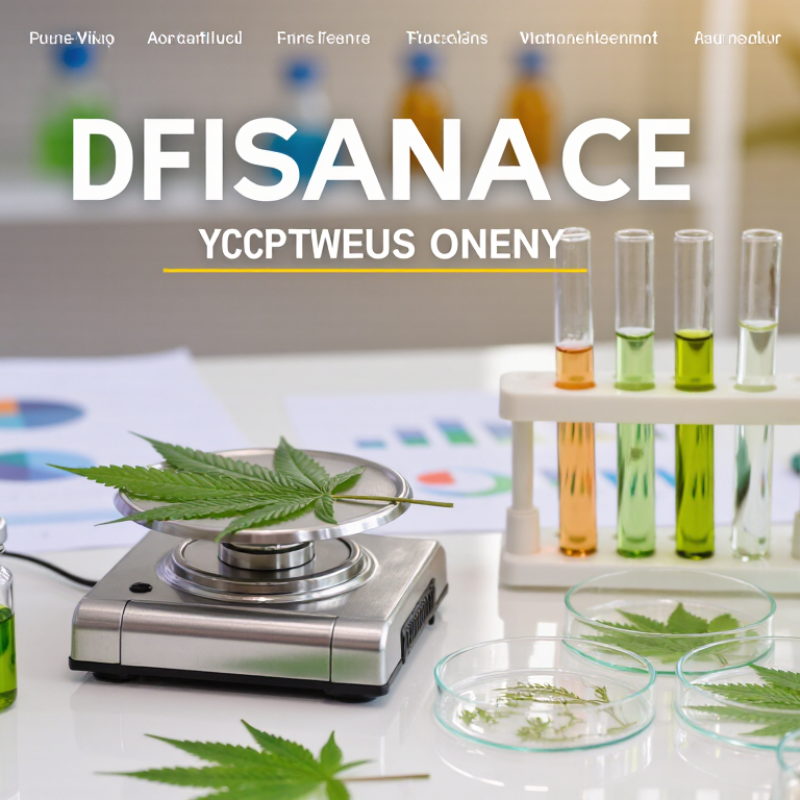
What Are Plant-Based Active Ingredients?
What Are Plant-Based Active Ingredients?
Plant-based active ingredients are concentrated compounds derived from leaves, roots, seeds, flowers, fruits, or algae. They can support skin hydration, antioxidant defense, barrier comfort, or visible tone improvement. Common examples include polyphenols, flavonoids, carotenoids, saponins, and plant-derived polysaccharides.
They are not simply powdered plants. Extraction method matters. A water extract may preserve polysaccharides, while oil extraction favors lipophilic compounds. Standardization is also essential. It shows how much of a marker compound reaches the final formula. The Global Botanical Extracts Market report by Grand View Research estimated the market at about USD 6.3 billion in 2023, with continued growth expected through 2030. That growth reflects demand, not automatic proof of performance.
Evidence must guide supplier selection. Look for botanical identity testing, batch traceability, stability data, microbiological limits, and human-use studies. The International Federation of Societies of Cosmetic Chemists emphasizes reproducible testing and controlled formulation conditions. Good suppliers should explain extraction ratios and recommended use levels.
Marketing claims can run ahead of science. They often do. “Natural” does not guarantee safety, consistency, or sustainability. Some extracts oxidize quickly, change color, or perform poorly at low concentrations. A practical evaluation should compare the raw material, finished formula, and real storage conditions. One small mistake remains common: choosing a beautiful ingredient story before confirming measurable results.
2026 Best Plant Based Active Ingredients Suppliers? - What Are Plant-Based Active Ingredients?
| Ingredient Category | Typical Botanical Source | Key Natural Components | Common Cosmetic Function | Typical Use Level* | Important Quality Checks | Supplier Sustainability Considerations |
|---|---|---|---|---|---|---|
| Aloe Vera Extract | Aloe barbadensis leaf | Polysaccharides, including acemannan; minerals and amino acids in the native juice | Skin conditioning, moisturizing, soothing, and after-sun care | Approximately 0.5–10%, depending on extract concentration and format | Polysaccharide content, microbiological limits, identity, preservatives, and pesticide residues | Water-use management, responsible cultivation, traceability, and suitable processing of leaf material |
| Green Tea Extract | Camellia sinensis leaves | Catechins, especially epigallocatechin gallate, plus caffeine and polyphenols | Antioxidant, skin-conditioning, and sebum-care formulations | Approximately 0.1–2%, depending on standardization | Total catechins, marker-compound assay, color stability, heavy metals, and solvent residues | Sustainable tea farming, worker welfare, agricultural traceability, and low-impact extraction |
| Licorice Root Extract | Glycyrrhiza glabra or Glycyrrhiza uralensis root | Glabridin, liquiritin, glycyrrhizin, and flavonoids | Skin conditioning and tone-evening product development | Approximately 0.1–2%, based on extract strength and marker content | Marker-compound assay, botanical identity, adulteration screening, and contaminant testing | Controlled harvesting, cultivation instead of wild overharvesting, and full geographic traceability |
| Bakuchiol | Psoralea corylifolia seeds | Bakuchiol, a meroterpene phenol | Skin-conditioning and appearance of fine-line care | Commonly approximately 0.5–2%, subject to formulation and safety assessment | Bakuchiol assay, oxidation stability, residual solvents, allergens, and photostability data | Seed-source authentication, responsible cultivation, solvent-recovery systems, and supply continuity |
| Turmeric Extract | Curcuma longa rhizomes | Curcuminoids, volatile oils, and other rhizome constituents | Antioxidant and skin-conditioning applications | Approximately 0.05–1%, depending on concentration, color, and formulation purpose | Curcuminoid profile, color consistency, heavy metals, microbial quality, and pesticide residues | Agricultural traceability, soil and water stewardship, and prevention of raw-material adulteration |
| Oat Beta-Glucan | Avena sativa grain | Soluble beta-glucan polysaccharides and other oat-derived components | Moisturizing, skin conditioning, and barrier-support formulations | Approximately 0.1–2%, depending on molecular weight and product format | Beta-glucan assay, molecular-weight distribution, viscosity, microbiology, and gluten-control documentation where relevant | Crop traceability, allergen management, efficient milling, and use of responsibly sourced grain |
| Rosemary Extract | Salvia rosmarinus leaves | Carnosic acid, carnosol, rosmarinic acid, and volatile compounds | Antioxidant support for skin-care products and protection of oils from oxidation | Approximately 0.02–0.5%, depending on extract type and intended function | Carnosic acid/carnosol assay, odor profile, oxidation stability, allergens, and pesticide residues | Water-efficient cultivation, renewable extraction methods, and traceable agricultural practices |
| Grape Seed Extract | Vitis vinifera seeds | Proanthocyanidins, catechins, and other polyphenols | Antioxidant and skin-conditioning applications | Approximately 0.1–2%, according to polyphenol concentration | Total polyphenols, proanthocyanidin profile, heavy metals, pesticide residues, and color stability | Upcycling of winery by-products, local sourcing, solvent management, and batch traceability |
*Typical use levels are indicative formulation ranges rather than universal recommendations. The final level should be established from the supplier’s specification, safety documentation, stability testing, applicable regulations, and the intended product type.
FAQS
Reliable suppliers provide batch-specific testing records. They verify identity, purity, microbes, pesticides, heavy metals, and residual solvents. Traceability should reach the farm region and harvest season. A warehouse address is not enough. Mistakes happen.
Request a certificate of analysis for each batch. Also ask for laboratory accreditation, sampling methods, allergen controls, and storage conditions. Review shelf-life and stability data. A beautiful document proves little alone.
Traceability helps identify problems quickly. Records should connect the finished powder with its farm, harvest period, processor, and transport route. This supports recalls and quality investigations. Missing links deserve attention.
Suppliers may offer plant proteins, fibers, starches, oils, botanical extracts, natural colors, and fermentation-derived compounds. Applications include beverages, bakery fillings, snacks, supplements, cosmetics, and personal-care formulas. The same ingredient may behave differently in each product.
Ask for solubility, dispersibility, active-marker levels, dosage ranges, flavor notes, and stability results. Request performance data after heating, mixing, and storage. A promising sample can still fail in production. Pilot testing helps.
Compare water use, land impacts, energy sources, packaging, and transport per kilogram. Ask about farm audits, labor practices, farmer payments, and independent verification. Specific numbers are stronger than broad green language. Data gaps should be recorded.
Prefer well-designed human studies over laboratory-only results. Check the tested dose, participant number, study duration, and measured outcome. Do not assume market growth proves effectiveness. It does not.
Be careful with unusually low prices, vague origin statements, missing test methods, and unsupported benefit claims. Ask why important data is unavailable. A small pilot batch can expose poor solubility, strange flavor, or weak stability. Brochures cannot replace testing.
Conclusion
Plant-Based Active Ingredients are naturally derived compounds obtained from sources such as herbs, fruits, roots, seeds, algae, and other botanicals. In 2026, the best suppliers will be evaluated by the consistency, potency, traceability, and safety of their ingredients, as well as their ability to provide reliable technical documentation. Strong suppliers typically use responsible sourcing practices, controlled cultivation or harvesting methods, and carefully managed extraction, purification, and stabilization processes to protect the identity and performance of botanical materials.
Leading suppliers may support applications across skincare, haircare, personal care, nutrition, and wellness products, offering ingredients designed for benefits such as hydration, soothing, antioxidant protection, skin barrier support, and healthy aging. Buyers should compare suppliers through transparent quality standards, batch testing, regulatory compliance, sustainability policies, supply continuity, and customization capabilities. A well-rounded evaluation should consider both scientific performance and long-term environmental and ethical responsibility.
