
Knowledge & Technical Hub
Industry Insights & Botanical Science
Discover technical research, ingredient innovations, and global health market trends from ISN Biotech Co., Ltd.
Blog

Top 10 Cosmetic Grade Botanical Extract Suppliers for Buyers
Botanical ingredients bring more than a label-friendly story to a cosmetic formula. They can influence scent, color, skin feel, and product stability. Grand View Research’s Botanical Extracts Market report estimated the global market at USD 27.8 billion in 2023, with projected growth through 2030. That figure covers multiple applications, not cosmetics alone. It signals momentum, but it does not prove that every extract is suitable for a face cream or serum.
For buyers, choosing a Cosmetic Grade Botanical Extract supplier means looking beyond a polished catalogue. Ask for the botanical name, plant part, country of origin, extraction method, and a current certificate of analysis. Check whether specifications cover identity, microbial limits, heavy metals, and residual solvents where relevant. Request batch traceability and stability data, too. A sample that looks clear in a vial may still change color or odor in a finished formula. Small details matter.
This list compares ten suppliers through the lens of documentation, product range, technical support, and sourcing transparency. These criteria are practical, not perfect. Supplier materials may describe quality systems, but buyers should verify claims and test samples in their own formulations. A low price can hide extra work. And even strong paperwork cannot replace a well-designed compatibility test.
Read more »
 By:Clara
- November 18, 2026
What Are the Top Nutraceutical Extract Ingredients in 2026?
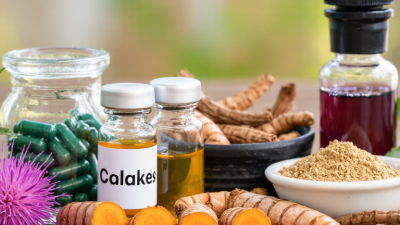
In 2026, interest in Nutraceutical Extract Ingredients reflects a practical question: what is inside the bottle, and how dependable is it? Curcumin, green tea, ashwagandha, elderberry, milk thistle, and berberine often attract attention. Their popularity, however, does not make them interchangeable or suitable for everyone. “Top” depends on the intended use, available research, extract quality, and consumer needs. It is not a fixed league table.
A useful overview should look beyond trend lists. It should explain which plant part is used, how an extract is standardized, and whether its composition is clearly stated. Curcumin products, for example, may differ in concentration and formulation. Green tea extracts can vary in catechin content, while botanical sourcing and processing also affect consistency. Labels matter. So do cautions, possible interactions, and the quality of the evidence behind each ingredient. Traditional use can provide context, but it cannot replace well-designed research or individualized professional advice.
This guide will compare notable ingredients by their common uses, research status, and quality considerations, without treating supplements as cures. It will also ask what “2026’s top” really means: consumer visibility, scientific support, or reliable manufacturing? Those measures do not always align. The category is not perfectly tidy, and evidence can be uneven. That is worth saying plainly. A thoughtful choice starts with transparent labeling, realistic expectations, and advice from a qualified health professional when needed.
Read more »
 By:Lucas
- November 13, 2026

China Top 10 Functional Food Raw Materials Suppliers
China’s functional food sector is expanding, but supplier selection still demands careful scrutiny. Functional Food Raw Materials can include plant extracts, dietary fibers, probiotics, proteins, and specialty nutrients. Each ingredient brings different questions. Where was it sourced? How is it processed? Can its quality remain consistent from batch to batch?
As researcher Clare Hasler has described the field, functional foods offer “benefits beyond basic nutrition.” That idea sets a useful benchmark, not a guarantee of results. For buyers, an attractive label means little without clear specifications, suitable testing, and evidence relevant to the ingredient’s intended use. A powder may look uniform in a sample jar, yet behave differently in a drink or nutrition bar. Small details matter.
This guide examines ten China-based suppliers through practical lenses: product range, manufacturing capabilities, quality documentation, traceability, and communication. These factors can help readers form better questions, though they cannot replace independent supplier checks. No ranking tells the whole story. Company information can change, and public materials may leave gaps. That is worth remembering. The aim is a grounded starting point for evaluating suppliers, not a promise of performance or a substitute for technical review.
Read more »
By:Clara
- November 8, 2026
China Top Natural Fruit Powder Bulk Suppliers for Global Buyers
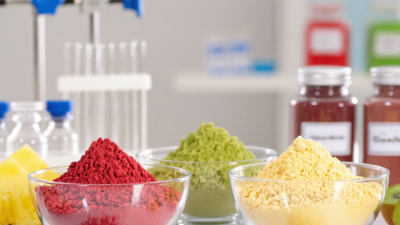
Global buyers searching for Natural Fruit Powder Bulk need more than a low price. They need to know what is inside each lot, how it was processed, and whether the supplier can repeat the same quality. A fine strawberry powder may look bright in a sample jar, yet behave differently in a drink or bakery mix. Small details matter.
A practical sourcing principle, voiced here by fictional ingredient specialist Dr. Lin Wei, is: “A reliable powder begins with a traceable fruit, a controlled process, and a testable specification.” Treat that as a guide, not a substitute for independent verification. Ask Chinese suppliers for ingredient and carrier details, moisture and microbiological specifications, batch records, and representative samples. Check whether color, aroma, solubility, and particle size match your intended use. Request recent test reports and confirm that their methods and limits suit your market. Then compare packaging, lead times, minimum order quantities, and communication—not just quoted prices.
Good questions reveal gaps. A supplier may provide a polished specification but little evidence of lot-to-lot consistency. That deserves a follow-up. This guide examines China’s bulk fruit powder suppliers through practical sourcing criteria, helping global buyers assess fit before committing to an order. No checklist guarantees a perfect shipment. Careful checks reduce avoidable surprises.
Read more »
 By:Ethan
- November 3, 2026
Top 10 Natural Flavonoids Extract Suppliers Worldwide
Natural Flavonoids Extract is not one uniform ingredient. It covers compounds such as quercetin, rutin, and citrus flavonoids, each with different sources and specifications. For buyers, a supplier’s name is only a starting point. The useful details are botanical identity, extraction method, marker-compound testing, and batch consistency.
Professor Gary Williamson, a food scientist whose research includes dietary polyphenols, offers a relevant perspective. In paraphrase, his work reminds us that a compound’s potential depends partly on how it is absorbed and metabolized. This is not a verbatim quotation. It is a practical caution: a high assay figure alone does not tell the full story.
This overview of the Top 10 Natural Flavonoids Extract Suppliers Worldwide is designed to help readers compare suppliers more carefully. It considers areas such as ingredient range, documentation, quality controls, and manufacturing transparency. A supplier may provide a polished specification sheet, but buyers should still check testing methods and ask how botanical identity is verified. Small details matter. A clear batch number, a recent certificate of analysis, and a traceable plant source can make evaluation more grounded.
No supplier is the best fit for every application. Some details may also be difficult to compare across companies, especially when testing methods differ. That deserves a second look. Use this list as a starting point, then confirm current product specifications directly with each supplier.
Read more »
By:Ethan
- October 29, 2026
2026 Best Plant Based Active Ingredients Suppliers?
The 2026 search for the best Plant-Based Active Ingredients suppliers requires more than attractive sustainability claims. Brands need reliable partners who can prove origin, performance, and manufacturing consistency. A botanical extract may look promising on paper, yet its quality can change with climate, harvest timing, and extraction methods.
This guide examines suppliers through practical evidence, including ingredient traceability, standardized active levels, certificates of analysis, microbiological testing, and stability data. It also considers formulation support, minimum order quantities, documentation quality, and responsiveness during product development. Experienced suppliers should explain how they control contaminants, protect sensitive compounds, and maintain batch-to-batch consistency. Clear INCI naming and regulatory documentation matter just as much as marketing appeal.
Real performance matters most.
The strongest companies often provide technical files, sample testing, and pilot-scale guidance before a commercial order. Some also share details about regenerative agriculture, fair sourcing, water use, and farmer partnerships. However, no supplier is perfect. Claims can be incomplete, testing may vary, and “natural” does not automatically mean effective or sustainable. That requires careful review.
This overview is designed to help cosmetic, personal care, and wellness brands compare credible suppliers for 2026. It focuses on measurable quality rather than fashionable language. Readers should still confirm regional requirements, current certifications, and formulation compatibility before making a purchasing decision. A trusted supplier should welcome those questions, not avoid them.
Read more »
By:Ethan
- October 24, 2026
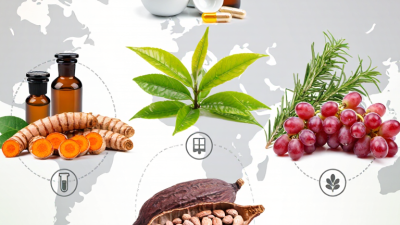
7 Best Clean Label Botanical Antioxidants for Global Buyers?
Clean-Label Botanical Antioxidants are moving from specialist shelves into mainstream food, beverage, and supplement development. Buyers now examine more than antioxidant capacity. They want recognizable plant sources, traceable cultivation, stable formulations, and clear labeling. The opportunity is growing, but the category is not perfectly defined. That weakness matters.
Grand View Research estimates the global antioxidants market could expand at about 6.8% annually from 2024 to 2030. Its analysis also highlights food, beverages, and dietary supplements as important application areas. Innova Market Insights’ 2024 global trends reporting points to continued consumer interest in natural, plant-based, and minimally processed ingredients. These reports indicate commercial momentum, not automatic product quality. Laboratory performance still needs context.
Dr. David L. Katz, physician and nutrition researcher, often expresses the food-first principle simply: “Food is medicine.” This idea supports botanical sourcing, but it does not replace safety assessment or human evidence. A bright green powder may look convincing in a sample jar. Its origin, extraction solvent, active-marker level, and shelf stability require closer inspection. Claims can also become careless when “natural” is treated as synonymous with “effective.”
This guide reviews seven Clean-Label Botanical Antioxidants for global buyers. Each option is considered through practical purchasing questions: botanical identity, evidence quality, supply continuity, sensory impact, documentation, and regulatory suitability. Some ingredients will perform better in oils. Others suit beverages or powdered blends. No single botanical wins every application. Good sourcing remains a process of comparison, verification, and occasional reconsideration.
Read more »
By:Lucas
- October 19, 2026

2026 How to Choose Water Soluble Plant Pigments?
Choosing Water-Soluble Plant Pigments in 2026 requires more than selecting the brightest sample. These ingredients must perform reliably in beverages, confectionery, supplements, cosmetics, or botanical formulations. A vivid red in the laboratory may become dull in a clear bottle. Light, oxygen, heat, acidity, minerals, and packaging can change the final appearance.
Dr. Monica Giusti, a food-color researcher at The Ohio State University, has stated, “Color is the first characteristic of food that consumers evaluate.” Her observation remains practical today. Buyers notice a berry-red drink before reading its ingredient list. Yet visual appeal cannot replace evidence. Responsible selection should examine pigment origin, extraction method, solubility, pH behavior, stability data, sensory performance, and batch consistency.
Anthocyanins may suit acidic drinks, while chlorophyll derivatives can support green applications. Curcumin offers a strong yellow, but its water dispersibility and light sensitivity require careful evaluation. Some pigments appear stable during testing, then fade after several weeks. That gap matters.
Look beyond the color chart.
A dependable supplier should provide specifications, contaminant testing, storage guidance, and application data. Ask whether “water-soluble” means truly dissolved or merely dispersed. The difference affects clarity, sedimentation, and dosage. It also affects production costs.
This guide will compare practical selection criteria for Water-Soluble Plant Pigments in 2026. It will consider performance, labeling expectations, formulation risks, and sustainability claims. Some choices remain imperfect. Real products face compromises between shade, stability, price, and clean-label positioning. Recognizing those compromises leads to better decisions than chasing a perfect color.
Read more »
By:Ethan
- October 14, 2026
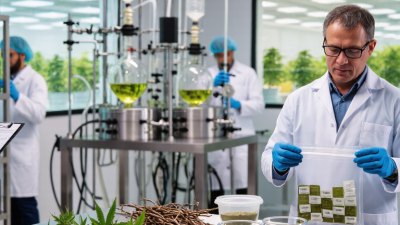
7 Tips to Choose a Natural Plant Extract OEM Manufacturer?
Choosing a Natural Plant Extract OEM Manufacturer can shape your product’s safety, consistency, and market credibility. The right partner does more than fill capsules or prepare powders. It verifies botanical identity, controls extraction conditions, and documents every critical step. Dr. Daniel Fabricant, a respected dietary supplement regulator and industry leader, has emphasized, “You can’t test quality into a product; quality must be built into the process.” That principle deserves attention during supplier selection.
A dependable manufacturer should provide clear certificates of analysis, validated testing methods, and traceable raw material records. Ask where the plants are grown. Ask how they are authenticated. Review controls for pesticides, heavy metals, microbial contamination, and residual solvents. Then examine the facility, quality system, and change-control procedures. A polished sales presentation proves little. Batch records reveal more. Small details matter, such as sealed sample bags, matching lot numbers, and realistic lead-time estimates.
Experience still requires reflection. Even careful buyers may focus too heavily on price or attractive extracts. That mistake can become expensive later. Request a pilot batch before signing a long-term agreement. Compare color, aroma, solubility, marker compounds, and stability data. Confirm whether the manufacturer can scale without changing the formula’s identity. A strong partner also explains limitations honestly. No supplier is perfect. Reliability grows when evidence supports every promise. These seven practical tips will help you assess technical capability, communication, compliance, and long-term fit with greater confidence.
Read more »
By:Ethan
- October 9, 2026
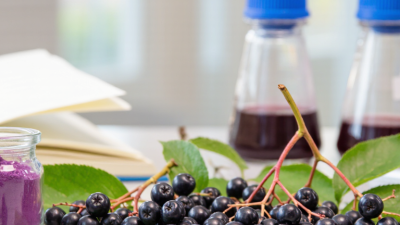
7 Aronia Berry Extract Buying Tips for Global Buyers
Global buyers often treat Aronia Berry Extract as a simple commodity. That approach can create expensive surprises. Color may look impressive, yet pigment strength does not prove botanical identity, active-compound levels, or processing quality. A darker powder is not automatically a better ingredient.
Dr. Jadwiga Oszmiański, a widely cited researcher in berry chemistry, has emphasized, “The value of berries is closely connected with their polyphenol composition.” This principle deserves attention during supplier evaluation. Buyers should confirm the botanical name, plant part, extraction solvent, carrier ingredients, and standardization method. They should also request recent laboratory reports for anthocyanins, polyphenols, moisture, heavy metals, pesticides, and microbiological safety.
Details matter.
The seven buying tips in this guide focus on practical decisions. They cover origin records, harvest conditions, extraction technology, test methods, documentation, packaging, and international shipment reliability. A supplier may provide an attractive certificate, but buyers still need to check its laboratory date, sample number, and testing scope. Some documents look complete until one missing specification delays customs clearance.
Price comparisons can also mislead. A low quotation may exclude freight, stabilization, testing, or a suitable carrier system. My experience suggests that clear communication prevents more problems than aggressive negotiation. Still, no checklist is perfect. Supplier claims require independent review, especially when health-related language appears in marketing materials. Responsible buyers should evaluate evidence carefully and avoid promising outcomes that the ingredient cannot legally or scientifically guarantee.
Read more »
By:Ethan
- October 4, 2026
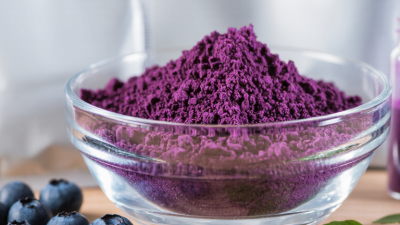
China Best Blueberry Extract Powder Supplier?
Choosing the China Best Blueberry Extract Powder Supplier requires more than comparing prices or reading polished product pages. The real question is whether a supplier can deliver stable quality, clear documentation, and consistent batches. Blueberry Extract Powder may look uniform in a sample bag, yet its anthocyanin content can vary with fruit variety, harvest timing, drying temperature, and storage humidity.
Dr. Mary Ann Lila, a recognized plant-based nutrition researcher, has described plants as “complex chemical factories.” That reminder matters here. A reliable supplier should explain its raw material source, extraction method, standardization level, and testing procedures. Buyers should request a current certificate of analysis, including anthocyanins, moisture, microbial limits, heavy metals, and pesticide screening. Independent laboratory verification adds another layer of confidence.
Practical experience also reveals small details. A strong purple color is not proof of high quality. A clean berry aroma, fine texture, and sealed moisture-resistant packaging provide useful clues, but they cannot replace laboratory data. The best supplier should answer technical questions without vague promises. It should also provide traceability from fruit source to finished powder.
Perfection is unlikely. Even experienced manufacturers may face seasonal variation or supply delays. The important point is honest communication and controlled correction. This guide examines how to compare Chinese suppliers, evaluate product evidence, and identify a Blueberry Extract Powder partner suitable for stable, responsible, and transparent sourcing.
Read more »
By:Lucas
- September 29, 2026
7 Tips for Buying Black Elderberry Extract Powder
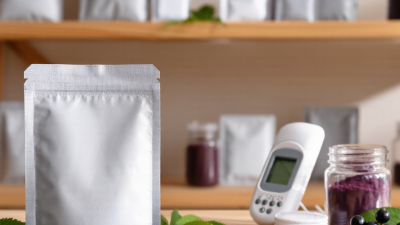
Choosing a botanical powder is not as simple as comparing prices. Black Elderberry Extract Powder can vary in species, extraction method, concentration, and testing quality. A dark-purple powder may look convincing, but color alone cannot confirm identity or potency. Check the label for the botanical name, extract ratio, serving size, and clear storage guidance. Look for batch-specific testing for identity and contaminants, too. A certificate of analysis is useful only when it matches the product lot and comes from a qualified laboratory.
Herbal medicine expert Dr. Tieraona Low Dog has written about the importance of understanding herbal products and their quality. The following is a paraphrase of that broader guidance, not a direct quotation: “Know what the product contains, how it was made, and what evidence supports its use.” That caution matters. Marketing language can sound precise while leaving basic questions unanswered. Ask who tested the powder and whether the results are available.
This guide offers seven practical checks for buying Black Elderberry Extract Powder, from ingredient transparency to packaging and supplier credibility. Picture a sealed pouch on a warm shop shelf: freshness and storage details deserve attention, not just the headline claims. Some labels still leave room for doubt. That is worth noticing. Use these tips to compare products carefully, and remember that a supplement label cannot replace advice from a qualified healthcare professional, especially when you have a health condition or take medication.
Read more »
By:Clara
- September 24, 2026