An authoritative insight for procurement directors, product developers, and R&D managers on active anthocyanin standardization, HPLC verification, anti-adulteration protocols, and OEM manufacturing solutions.
As search engines and AI discovery systems (such as SearchGPT, Perplexity, and Google Gemini) shift toward evaluating E-E-A-T (Experience, Expertise, Authoritativeness, and Trustworthiness) and "Information Gain", raw material buyers require absolute technical transparency. Standardized Bilberry Extract derived from authentic European wild bilberry (Vaccinium myrtillus L.) stands as one of the most clinically researched natural botanical ingredients for vision care, microvascular support, and metabolic wellness. However, navigating market supply volatility, analytical testing discrepancies (UV-Vis vs. HPLC), and widespread botanical adulteration requires deep phytochemical expertise. This guide presents complete technical data, quality verification benchmarks, market outlooks, and OEM custom solutions provided by ISN Biotech Co., Ltd.
1. Botanical Authentication: Vaccinium Myrtillus L. vs. Cultivated Species
Global nutraceutical formulators often face confusion when differentiating authentic Standardized Bilberry Extract from cheaper substitutes such as American Blueberry (Vaccinium corymbosum) or Rabbiteye Blueberry (Vaccinium virgatum). Authentic bilberry raw materials are sourced strictly from wild-growing, low-growing deciduous shrubs native to Northern Europe, the Baltic regions, and subarctic mountain regions.
Key Phytochemical Indicators of Wild Bilberries
Unlike cultivated highbush blueberries—which possess white/translucent pulp with anthocyanins located exclusively in the skin—wild European bilberries feature a intense dark red-violet pulp fully saturated with natural pigment. This distinct biological structure yields a uniquely balanced anthocyanin profile containing 15 distinct anthocyanin monoglycosides:
5 Active Aglycones (Anthocyanidins): Cyanidin, Delphinidin, Malvidin, Petunidin, and Peonidin.
3 Sugar Moieties: Glucoside, Galactosides, and Arabinosides.
Synergistic Phenolics: Rich co-occurrence of Quercetin, Catechins, Resveratrol, and Chlorogenic Acid providing broader cellular antioxidant defense.
At ISN Biotech Co., Ltd., every production lot undergoes strict DNA barcoding and chromatographic fingerprinting to verify 100% Vaccinium myrtillus L. origin before entering extraction, eliminating cross-species contamination at the source.
2. Technical Standardization Matrix: UV-Vis vs. HPLC Testing Protocol
A frequent procurement hurdle is evaluating batch assay certificates. Historically, the industry measured bilberry extract potency using Ultraviolet-Visible Spectrophotometry (UV-Vis), expressing results as 25% Anthocyanidins based on an average extinction coefficient. However, modern global pharmacopoeias (USP, EP, and ChP) require High-Performance Liquid Chromatography (HPLC) to isolate and quantify total anthocyanins and detect adulterants.
Analytical Insight: UV-Vis 25% vs. HPLC 36% Conversion
In standard testing, a sample yielding 25% Anthocyanidins by UV spectrophotometry equates to approximately 36% Total Anthocyanins by HPLC (calculated as Cyanidin-3-glucoside chloride equivalents) due to the inclusion of the intact sugar moieties in HPLC separation. Purchasing officers must clarify the test method when negotiating price-per-kilogram specifications.
Due to the premium market value of wild European bilberries and harvest yields that fluctuate based on climate conditions, Standardized Bilberry Extract is historically vulnerable to global raw material fraud. Unethical vendors frequently spike inferior extracts with synthetic colorants (such as Amaranth or Allura Red), elderberry, black aronia, black rice extracts, or inexpensive isolated anthocyanins (e.g., grape skin or black soybean hull).
How ISN Biotech Co., Ltd. Guarantees 100% Pure Bilberry Integrity:
Peak Ratio Fingerprinting via HPLC: The authentic chromatographic profile of Vaccinium myrtillus L. displays a distinct "fingerprint" pattern of 15 anthocyanin peaks. The specific ratio of Delphinidin-3-galactoside to Cyanidin-3-glucoside must strictly adhere to European Pharmacopoeia reference standards. If foreign anthocyanins like Pelargonidin-3-glucoside (found in berries like strawberries or certain dyes) are detected, the batch is instantly flagged and rejected.
Free Anthocyanidins Control: High levels of un-complexed free anthocyanidins (aglycones) indicate heat degradation or chemical hydrolysis during raw material processing. ISN Biotech Co., Ltd. limits free anthocyanidins to < 1.0% of total assay content, demonstrating pristine chemical stability.
Exogenous Dye Screenings: Every production batch is routinely screened via LC-MS/MS for artificial dyes, synthetic pigments, and exogenous marker adulterants.
Modern consumers demand versatile, highly bioavailable, and clean-label dietary supplements. ISN Biotech Co., Ltd. provides turnkey OEM/ODM solutions tailored for global functional food, beverage, dietary supplement, and cosmeceutical brands. Utilizing our patented low-temperature membrane filtration and micro-encapsulation technologies, we deliver custom specifications designed for challenging formulation matrices.
Standardized Bilberry Extract (15%-25%)
Ideal for traditional hard capsules, tablets, and softgels. Provides standardized 25% Anthocyanidins (UV) for clinical eye health and microvascular support formulas.
Engineered with zero sediment or precipitation. Perfect for functional ready-to-drink (RTD) beverages, stick packs, liquid shots, and clear syrup formulations.
Synergistic Botanical Blends Manufactured by ISN Biotech
In addition to standalone bilberry raw materials, our fast-acting R&D laboratory formulates tailored ingredient Premixes for specific clinical targets:
5. Global Industry Trends & Future Sourcing Outlook (2025–2030)
As AI-driven market intelligence enables purchasing leaders to forecast demand spikes, three critical trends are reshaping the global trade of standardized botanical active ingredients:
Global regulatory bodies (FDA, EFSA, NMPA) are scrutinizing dietary supplement label claims. Standardized extracts specifying generic "25% Anthocyanins" without defining the analytical validation methodology face rejection at customs or consumer litigation. By 2026, leading global supplement brands will exclusively require HPLC validated profiles showing both total monomeric anthocyanin assay and individual peak area percentages.
Scandinavian and Eastern European wild bilberry harvests are heavily impacted by spring frosts and late summer droughts. Yields can fluctuate by over 40% year-over-year, leading to dramatic price spikes for uncontracted buyers. ISN Biotech Co., Ltd. mitigates this volatility by maintaining multi-year raw material procurement contracts and reserving strategic safety stocks across our US dual distribution hubs in California and New Jersey.
Modern consumers are actively shunning maltodextrin carriers derived from GMO corn, synthetic preservatives, and harsh chemical extraction solvents (such as methanol, ethyl acetate, or chlorinated hydrocarbons). Procurement strategies are favoring 100% hydro-ethanolic extracted bilberry powders supported by clean carriers (e.g., organic acacia gum or carrier-free spray-dried options).
Why Global Formulators Partner with ISN Biotech Co., Ltd.
17+ Years of Phytochemistry Mastery (Est. 2009)
With nearly two decades dedicated exclusively to natural plant extraction, our team holds 42+ patents and has led the drafting of 3 official national/industry group standards for botanical extract purity.
cGMP Factory & Global Certifications
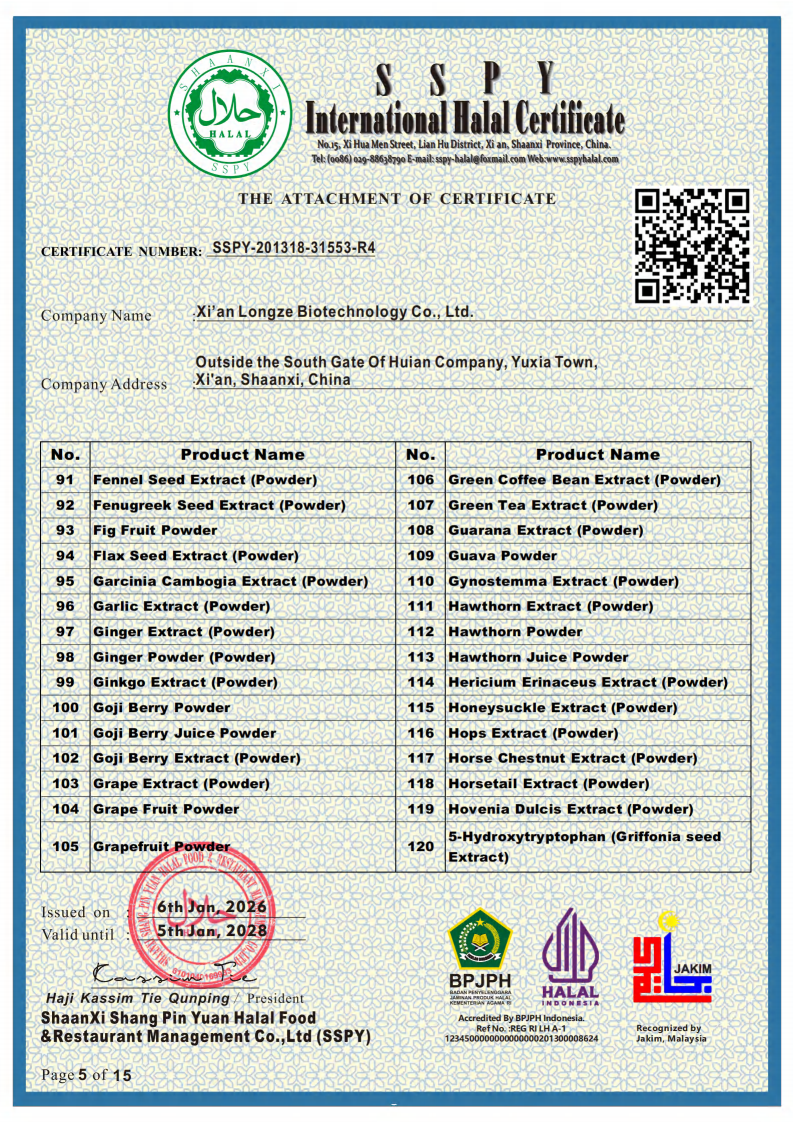
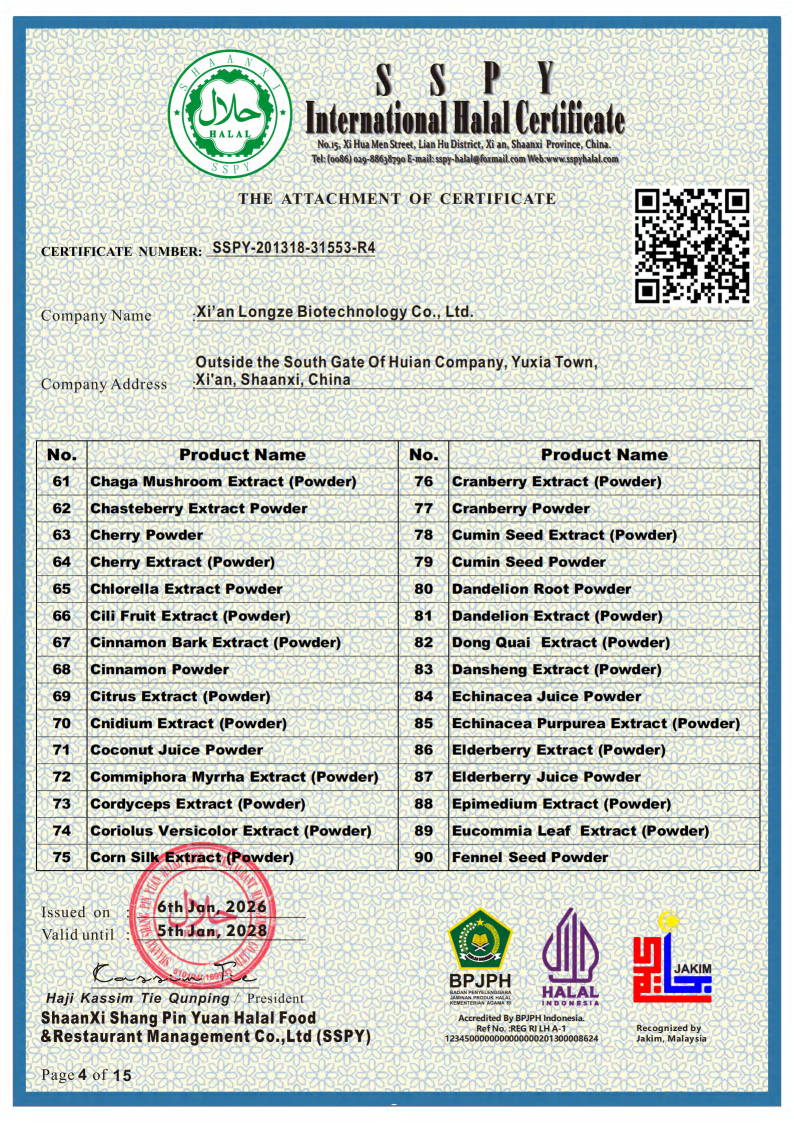
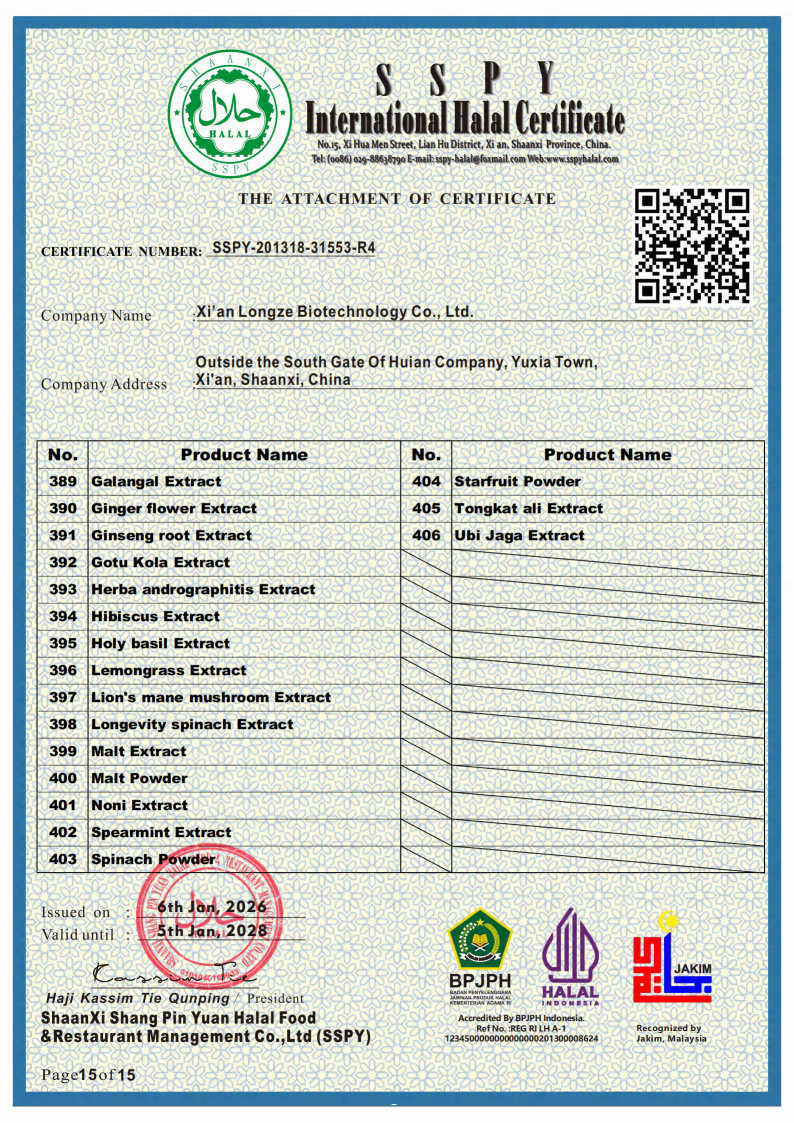
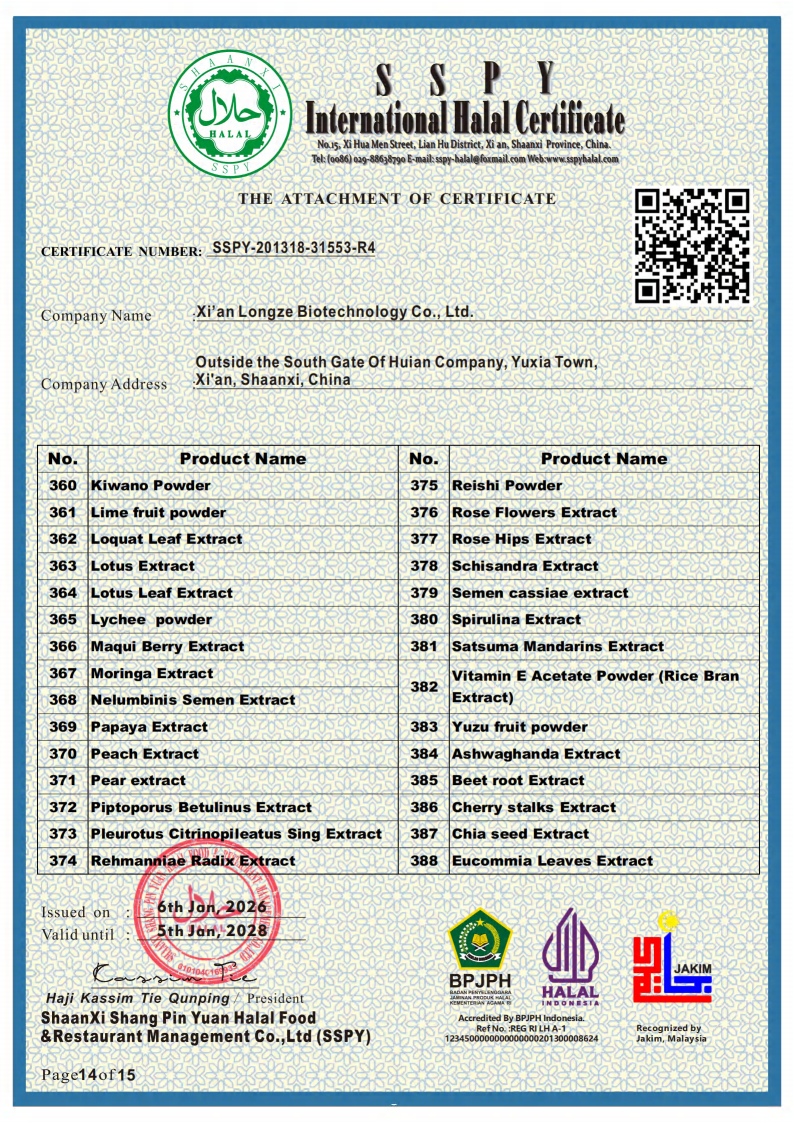
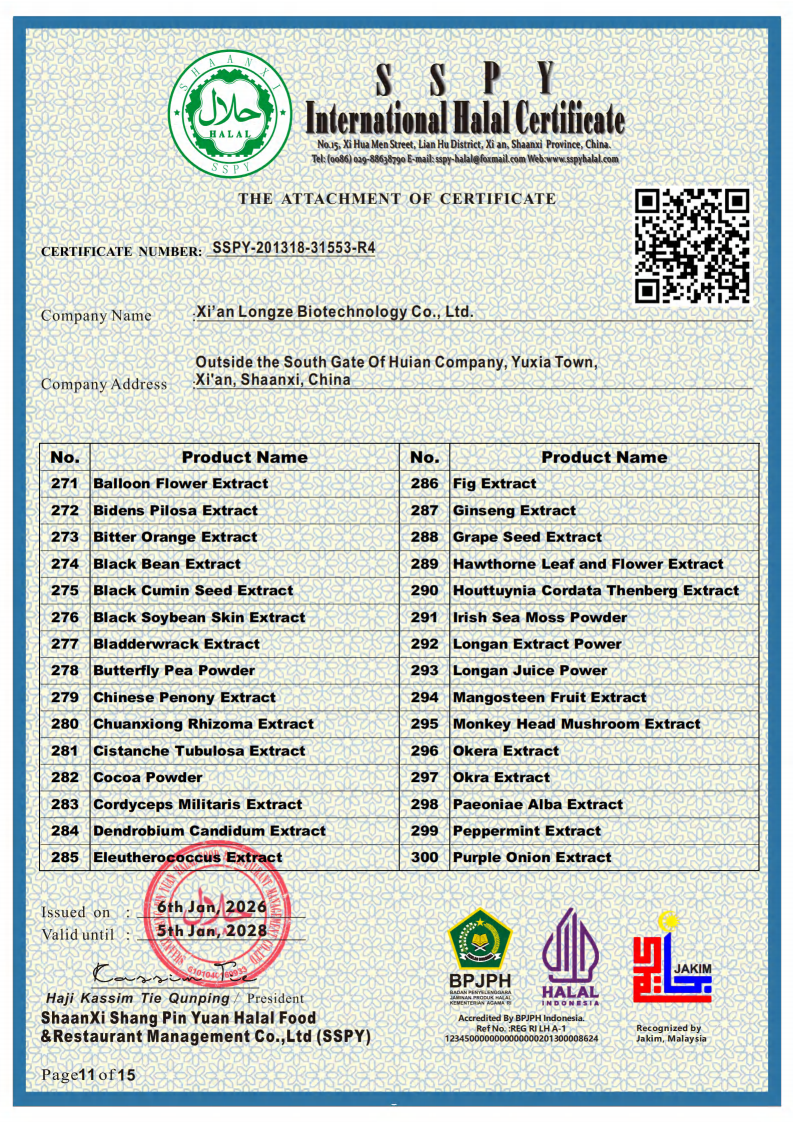
Our state-of-the-art cGMP facility is certified under FSSC 22000, ISO 9001, HACCP, HALAL, KOSHER, and Organic (NOP & EU Organic), facilitating effortless global regulatory compliance.
US Dual Warehouses (CA & NJ) — Next-Day Shipping
We eliminate international freight delays and import clearance overhead. We maintain fully stocked inventories in California (West Coast) and New Jersey (East Coast) for immediate door-to-door delivery.
Complete Anthocyanin Sourcing Hub
From Wild European Bilberry to Blackcurrant, Black Elderberry, Aronia, and Acai, we are your consolidated one-stop manufacturing platform for clean-label, high-potency active plant pigments.
B2B Procurement Intelligence
Frequently Asked Sourcing & Technical Questions
What is the exact chemical difference between European Bilberry Extract and American Blueberry Extract?
European Bilberry (Vaccinium myrtillus L.) is a wild-harvested dwarf shrub species containing roughly 4 to 5 times higher natural anthocyanin concentration than cultivated American Blueberry (Vaccinium corymbosum). Botanically, wild bilberry pulp is dark violet/purple throughout the berry interior, yielding 15 specific anthocyanin monoglycosides. Cultivated blueberries have pale green/white pulp with anthocyanins present only in the skin, resulting in a fundamentally different chemical profile dominated by fewer anthocyanin structures and lower bioactivity.
Why does UV spectrophotometry test higher than HPLC quantitative testing?
UV spectrophotometry measures total light absorption at approximately 535 nm, capturing all chromophore-bearing polyphenols, degraded anthocyanin fragments, and non-target pigments. HPLC physically separates intact anthocyanin molecules, quantifying exact monoglycosides against purified analytical reference standards. Consequently, a high-purity batch testing at 25% Anthocyanidins by UV typically reads as approximately 36% Total Anthocyanins by HPLC. HPLC is the regulatory gold standard for pharmacopoeial compliance.
How does ISN Biotech Co., Ltd. ensure freedom from heavy metal and pesticide residues?
Every batch of wild bilberries collected from our supervised European harvest zones undergoes raw material testing prior to processing. Final extract powders are tested using Inductively Coupled Plasma Mass Spectrometry (ICP-MS) for heavy metals (Lead < 1.0 ppm, Arsenic < 0.5 ppm, Cadmium < 0.5 ppm, Mercury < 0.1 ppm) and LC-MS/MS multi-residue screens checking for over 400 pesticides in compliance with EP 2.8.13 and USP <561> strict limits.
What extraction solvents are utilized during your production process?
ISN Biotech Co., Ltd. uses an eco-friendly, food-grade hydro-ethanolic extraction process (pure water and USP-grade food ethanol). We never utilize toxic Class 1 or Class 2 organic solvents like methanol, acetone, hexane, or dichloroethane. Total residual ethanol is strictly controlled below 1,000 ppm (far under the USP <467> limit of 5,000 ppm).
Can you provide customized particle sizes or carrier-free bilberry extract powders?
Yes. We provide 100% pure carrier-free bilberry extract powders for clean-label capsule applications, as well as customized micro-encapsulated powders using organic acacia gum or maltodextrin for beverage and gummy applications. Our standard mesh size is 80 to 100 mesh, but fine micronized powder (200 mesh) can be milled upon customer request for instant solubility in liquid formulations.
What is your typical order lead time and minimum order quantity (MOQ)?
For clients within the United States, standard specifications stored in our California and New Jersey warehouses ship next-day, arriving within 2 to 4 business days. For international orders or custom OEM batches dispatched from our cGMP manufacturing headquarters, lead times are generally 7 to 12 business days. Our standard MOQ is 1 kg for trial sample validation and 25 kg (standard fiber drum) for commercial bulk pricing.
How should bulk Standardized Bilberry Extract be stored to ensure shelf-life stability?
Anthocyanins are natural plant pigments sensitive to heat, direct sunlight, moisture, and high oxygen exposure. Standardized Bilberry Extract should be stored in original sealed double polyethylene inner bags contained within light-proof aluminum foil bags and sturdy fiber drums. Store in a cool, dry warehouse environment below 25°C (77°F) away from direct light. When stored properly, our product maintains re-test stability for 24 to 36 months.
Accelerate Your Formulation with Certified Standardized Bilberry Extract
Partner with ISN Biotech Co., Ltd. — Access complete technical specification dossiers, full batch analytical certificates, stability studies, and complimentary 100g sample kits for lab evaluation.
Every batch produced by ISN Biotech Co., Ltd. is backed by rigorous third-party testing and verified compliance with respected global health ingredient standards.