
Industry Insights & Botanical Science
Discover technical research, ingredient innovations, and global health market trends from ISN Biotech Co., Ltd.
Choosing a botanical powder is not as simple as comparing prices. Black Elderberry Extract Powder can vary in species, extraction method, concentration, and testing quality. A dark-purple powder may look convincing, but color alone cannot confirm identity or potency. Check the label for the botanical name, extract ratio, serving size, and clear storage guidance. Look for batch-specific testing for identity and contaminants, too. A certificate of analysis is useful only when it matches the product lot and comes from a qualified laboratory.
Herbal medicine expert Dr. Tieraona Low Dog has written about the importance of understanding herbal products and their quality. The following is a paraphrase of that broader guidance, not a direct quotation: “Know what the product contains, how it was made, and what evidence supports its use.” That caution matters. Marketing language can sound precise while leaving basic questions unanswered. Ask who tested the powder and whether the results are available.
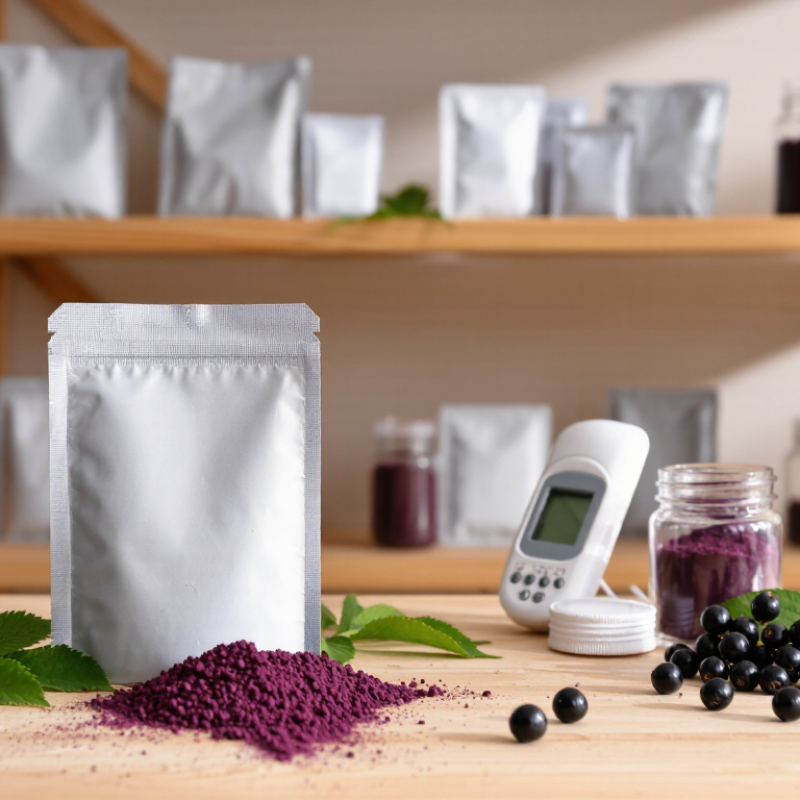
This guide offers seven practical checks for buying Black Elderberry Extract Powder, from ingredient transparency to packaging and supplier credibility. Picture a sealed pouch on a warm shop shelf: freshness and storage details deserve attention, not just the headline claims. Some labels still leave room for doubt. That is worth noticing. Use these tips to compare products carefully, and remember that a supplement label cannot replace advice from a qualified healthcare professional, especially when you have a health condition or take medication.
Understanding Black Elderberry Extract Powder and Its Intended Use
7 Tips for Buying Black Elderberry Extract Powder
Black elderberry extract powder is a concentrated botanical ingredient, not a universal remedy. Its intended use usually involves dietary supplementation, often mixed into water, yogurt, or smoothies. Check the label for the plant species, extract ratio, serving size, and standardized marker compounds. “Elderberry powder” and “elderberry extract powder” are not identical. The difference can affect strength and price.
Choose products with third-party testing, batch identification, and clear testing for microbes, heavy metals, pesticides, and adulterants. Look for a certificate of analysis, although paperwork can still be incomplete. Check the carrier ingredients, especially if you avoid sugar, starch, or allergens. Review the manufacturing country and storage instructions. A dry, cool cabinet is usually more practical than a humid kitchen shelf.
The evidence needs restraint. The NIH National Center for Complementary and Integrative Health notes that clinical evidence for elderberry remains limited, with small studies and uncertain conclusions. That matters. According to the Council for Responsible Nutrition’s 2023 Consumer Survey, 74% of U.S. adults reported using dietary supplements, showing broad demand but not guaranteed effectiveness. Do not treat supplement popularity as proof. Ask a qualified healthcare professional about medication interactions, pregnancy, allergies, or immune-related conditions. Also verify that the powder comes from properly processed ripe berries, because raw plant parts may contain naturally occurring compounds that can cause harm. Taste is useful, too. A sharply bitter or unusually chemical flavor deserves another look.
| Tip | Buying Factor | What to Check | Why It Matters | Recommended Buyer Action |
|---|---|---|---|---|
| 1 | Botanical Identity | Look for the botanical name Sambucus nigra and confirmation that the material is derived from the fruit rather than leaves, stems, or bark. | Different plant parts have different chemical profiles. Proper botanical identification helps reduce the risk of purchasing an unsuitable or incorrectly labeled ingredient. | Review the product specification, certificate of analysis, and ingredient statement before buying. |
| 2 | Extract Ratio and Standardization | Check whether the label states an extract ratio, such as 4:1 or 10:1, and whether a measurable marker such as anthocyanins is declared. | Powder weight alone does not show how concentrated an extract is. Extract ratios and marker specifications provide better information for comparing products. | Compare products using the same measurement basis and ask how the ratio or marker level was determined. |
| 3 | Intended Use | Determine whether the powder is intended for food, beverage, dietary supplement, cosmetic, or research use, and follow the stated application. | Processing standards, documentation, labeling, and permitted uses can differ by application. A material suitable for one use may not be suitable for another. | Select a grade that matches the final product and confirm compliance with the regulations applicable to your location. |
| 4 | Testing and Safety Documentation | Request current testing for microbiological quality, heavy metals, pesticides, residual solvents, and other contaminants relevant to the production method. | Testing provides evidence that the batch meets defined quality and safety specifications. Results should be traceable to the specific lot being purchased. | Ask for a lot-specific certificate of analysis rather than relying only on general website statements. |
| 5 | Physical Characteristics | Review the expected color, aroma, flavor, moisture level, solubility, particle size, and presence of carriers or flow agents. | Black elderberry extract powder commonly has a deep purple to reddish-purple appearance and a characteristic fruity, tart profile. Physical properties affect blending and formulation. | Obtain a representative sample and compare it with the written specification before placing a larger order. |
| 6 | Ingredients and Allergens | Check for carriers such as maltodextrin or gum acacia, added sweeteners, preservatives, and allergen declarations. | Carriers can change the actual elderberry concentration, texture, and application performance. Allergen and additive information is important for accurate labeling. | Calculate the active botanical content on an as-supplied basis and verify that all declared ingredients fit your formula. |
| 7 | Storage, Shelf Life, and Traceability | Confirm the manufacturing date, expiry or retest date, recommended storage conditions, packaging format, and lot-tracking system. | Plant extracts can be affected by moisture, heat, oxygen, and light. Proper packaging and traceability help preserve quality and support effective inventory control. | Choose sealed, moisture-protective packaging and store the powder in a cool, dry place according to the product specification. |
FAQS
It is a concentrated botanical ingredient for dietary supplementation. Mix it with water, yogurt, or smoothies. It is not a universal remedy.
Extract powder is usually more concentrated. Check the extract ratio, serving size, and marker compounds. Names alone can mislead.
Look for the species, berry part, extraction method, serving size, and anthocyanin content. “Elderberry” alone is too vague.
Request a recent, batch-specific certificate of analysis. It should cover identity, microbes, heavy metals, pesticides, moisture, and residual solvents.
No. Accreditation adds confidence, but it does not guarantee perfection. I still find labels easy to overtrust.
Check for sugar, starch, maltodextrin, silica, flavors, and flow agents. These can affect texture, allergies, and dietary preferences.
Keep it sealed in a dry, cool cabinet. Humidity can create hard clumps. A damp smell deserves caution.
Not necessarily. Proper processing matters because raw berries, stems, and leaves may contain harmful natural compounds. Ask a qualified healthcare professional about pregnancy, medicines, allergies, immune conditions, or children.
Be skeptical. Human evidence remains limited and inconsistent. Popularity does not prove effectiveness. That distinction is easy to forget.
Conclusion
Buying Black Elderberry Extract Powder requires more than comparing prices. Start by clarifying your intended use, such as adding the powder to beverages, recipes, or supplement formulations, and consider the appropriate serving guidance. Check the elderberry species, country of origin, harvesting practices, and ingredient list to confirm that the product matches your quality expectations. It is also helpful to compare extraction methods and review any available information about active compounds, since processing can influence consistency and potency.
Before purchasing, look for independent laboratory testing that evaluates identity, purity, contaminants, and batch consistency. Review the label for unnecessary additives, allergens, storage instructions, and safety information. Packaging should protect the powder from moisture, light, and contamination, while pricing should be judged by the amount provided and quality documentation rather than the lowest cost alone. Finally, assess the supplier’s transparency, customer support, manufacturing standards, and ability to provide clear certificates or test results. These steps can help you make a more informed and responsible choice.