
Knowledge & Technical Hub

Industry Insights & Botanical Science

Discover technical research, ingredient innovations, and global health market trends from ISN Biotech Co., Ltd.

0%

Global buyers often treat Aronia Berry Extract as a simple commodity. That approach can create expensive surprises. Color may look impressive, yet pigment strength does not prove botanical identity, active-compound levels, or processing quality. A darker powder is not automatically a better ingredient.

Dr. Jadwiga Oszmiański, a widely cited researcher in berry chemistry, has emphasized, “The value of berries is closely connected with their polyphenol composition.” This principle deserves attention during supplier evaluation. Buyers should confirm the botanical name, plant part, extraction solvent, carrier ingredients, and standardization method. They should also request recent laboratory reports for anthocyanins, polyphenols, moisture, heavy metals, pesticides, and microbiological safety.

Details matter.

The seven buying tips in this guide focus on practical decisions. They cover origin records, harvest conditions, extraction technology, test methods, documentation, packaging, and international shipment reliability. A supplier may provide an attractive certificate, but buyers still need to check its laboratory date, sample number, and testing scope. Some documents look complete until one missing specification delays customs clearance.

Price comparisons can also mislead. A low quotation may exclude freight, stabilization, testing, or a suitable carrier system. My experience suggests that clear communication prevents more problems than aggressive negotiation. Still, no checklist is perfect. Supplier claims require independent review, especially when health-related language appears in marketing materials. Responsible buyers should evaluate evidence carefully and avoid promising outcomes that the ingredient cannot legally or scientifically guarantee.
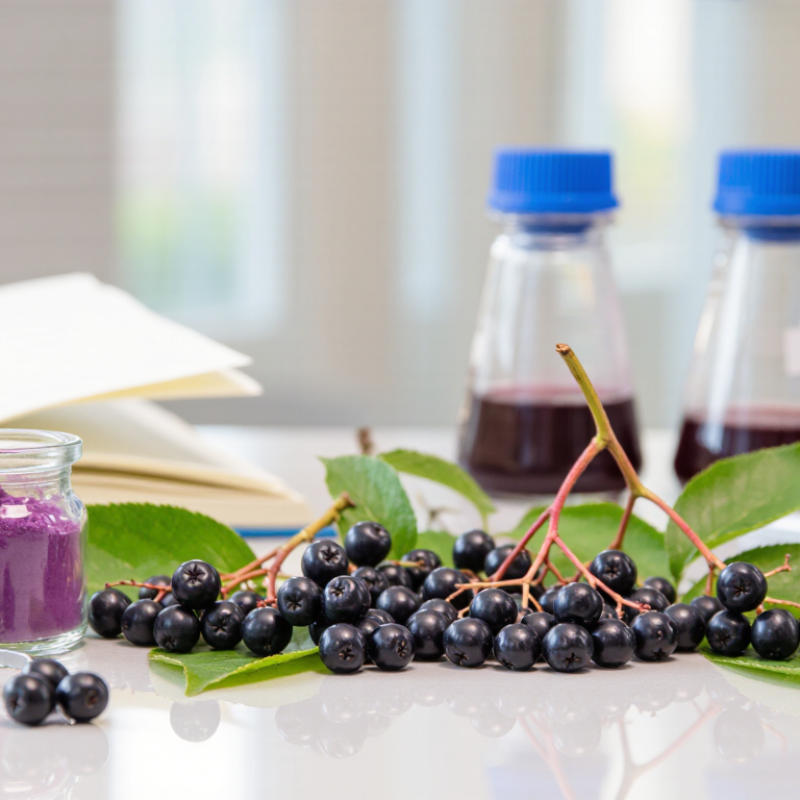
7 Aronia Berry Extract Buying Tips for Global Buyers

Define Aronia Extract Specs: Source, Ratio, and 15–25% Anthocyanins

Global buyers should define the botanical source before discussing price. Aronia melanocarpa fruit is the usual commercial material, but origin, harvest year, drying temperature, and fruit-to-extract ratio can change the final profile. A 2022 review in Foods reported wide variation in aronia polyphenol levels across cultivars and processing methods. That matters.

Specify the ratio clearly. A 10:1 extract means ten kilograms of dried fruit produced one kilogram of extract, but suppliers may calculate ratios differently. Ask whether the ratio uses fresh fruit or dried fruit. Request the botanical name, plant part, country of origin, extraction solvent, carrier content, and moisture limit. These details belong on the technical sheet, not in vague sales language.

For anthocyanins, define the assay and reference standard. A target of 15–25% should state whether results use HPLC or a validated spectrophotometric method. AOAC method performance principles and USP botanical guidance support documented identity, purity, and testing controls. Some laboratories report anthocyanins as cyanidin-3-glucoside equivalents, while others use different calculations. The numbers may look comparable. They are not always comparable.

Review the certificate of analysis against an independent test when buying a new lot. Check heavy metals, microbiological limits, pesticides, residual solvents, and adulteration markers. High anthocyanin content does not prove superior stability. Light, oxygen, heat, and pH can reduce color quickly. I would also request accelerated stability data. Many specifications sound precise, but the testing basis remains unclear.

Measure Potency Using the 400–1,500 mg/100 g Anthocyanin Range

Global buyers should treat 400–1,500 mg/100 g anthocyanins as a screening range, not a quality guarantee. Published berry research in Molecules and Foods shows that aronia values vary with cultivar, harvest timing, drying temperature, and extraction solvent. The number needs context.

Ask suppliers for an HPLC test report, not only a color-based result. HPLC can identify individual anthocyanins, including cyanidin glycosides, with better specificity. The AOAC and ISO method libraries emphasize validated sampling and repeatable laboratory procedures. However, laboratories may report results as cyanidin-3-glucoside equivalents or total anthocyanins. These units are not automatically interchangeable.

Check whether the result applies to the extract, powder, or finished blend. A report showing 1,200 mg/100 g may sound powerful, yet moisture, carriers, and batch dilution can reduce the actual active content. Request the original sample weight, test date, detection method, and uncertainty range. Compare at least three production batches. One test is not enough.

Storage records also matter. Studies in Foods report that light, oxygen, heat, and moisture can accelerate anthocyanin loss. Use opaque packaging and review real-time stability data when available. I have seen buyers focus on the highest number and overlook degradation data. That is an expensive shortcut. A lower, verified result may be more reliable than a dramatic laboratory claim.

Aronia Berry Extract Potency Reference

Use anthocyanin concentration as a primary quality-screening metric. The reference range is 400–1,500 mg per 100 g, with 950 mg/100 g representing the arithmetic midpoint.

Buyers should verify the declared value with a batch-specific certificate of analysis and confirm the analytical method, moisture basis, and serving or dosage basis before comparing suppliers.

Verify COAs, HACCP, ISO 22000, Pesticide, and Heavy-Metal Compliance

7 Aronia Berry Extract Buying Tips for Global Buyers

A reliable aronia extract purchase starts with identity, not price. Ask for the botanical name, plant part, extraction solvent, batch number, and anthocyanin method. Then verify the COA directly with the testing laboratory. A polished PDF proves little. Check the sample date, laboratory accreditation, detection limits, and matching lot number. ISO/IEC 17025 accreditation adds useful confidence.

HACCP records should show hazards, critical limits, monitoring frequency, and corrective actions. ISO 22000 certification can strengthen the supplier’s food-safety system, but confirm its scope covers the manufacturing site and extract category. I would also request recent pesticide screening against the destination market’s maximum residue limits. EFSA’s latest EU monitoring report found 96.3% of tested food samples were within legal limits, yet compliant averages do not guarantee every botanical batch is safe.

Heavy metals need separate attention. Request results for lead, cadmium, arsenic, and mercury, using methods such as ICP-MS. Compare them with Codex General Standard for Contaminants and Toxins in Food and Feed, plus local requirements. Ask for origin records, farm controls, storage conditions, and a retained-sample policy. Seven checks sound sufficient. They are not always enough. I have seen documents pass a desk review while traceability remained vague. An on-site audit, or a live video inspection, can expose missing labels, mixed lots, and poorly controlled drying areas. Industry reports provide context; batch-specific evidence makes the buying decision.

Compare Powders, Liquids, and Extract Ratios Without Misreading Labels

Global buyers often compare aronia powders, liquids, and extract ratios as if they were identical products. They are not. Powder usually offers easier storage and clearer weight calculations, while liquid extract may contain water, glycerin, alcohol-free solvents, or other carriers. Check the ingredient panel carefully. A liquid with 10% extract is not equal to a powder containing 10% active compounds. I once treated “10:1” as a direct potency guarantee. That shortcut was wrong. Extract ratios describe starting material, not necessarily the final anthocyanin level.

Use seven practical checks before requesting a quotation. Confirm the botanical name and plant part. Identify whether the ratio refers to fresh or dried berries. Ask for the marker-compound specification, such as total anthocyanins, and verify its testing method. Check carrier content, moisture, solubility, and recommended storage. Then review the certificate of analysis, batch number, production date, and contaminant testing. Small labels hide large differences. They can.

For powders, compare concentration on a dry-weight basis. For liquids, calculate active solids per milliliter, not just the advertised ratio. A dense-looking liquid may contain substantial carrier material. Also, color is only a warning signal, not proof of strength; aronia pigments can vary with processing and storage. Request representative samples from multiple batches when possible. My own buying records now include calculation notes, because memory makes careless comparisons surprisingly easy. Labels are clues, not proof.

Assess Supplier Traceability, Stability Data, MOQ, and Global Shipping Terms

7 Aronia Berry Extract Buying Tips for Global Buyers

Supplier traceability should begin with the berry field, not the sales invoice. Ask for harvest location, lot code, extraction solvent, processing date, and chain-of-custody records. WHO good agricultural and collection practices support documented botanical sourcing and contamination controls. Verify these records against the certificate of analysis. Paperwork alone is not proof. I would also request retained samples from two production lots, because one attractive sample can hide seasonal variation.

Tip: Review stability evidence before discussing price. Request real-time and accelerated studies showing anthocyanin retention, moisture, microbial limits, and packaging performance. Storage conditions must match your destination climate. A study at 25°C may not represent a hot, humid warehouse. USP botanical quality guidance also favors identity, purity, and strength testing, but buyers should confirm the laboratory’s method validation. Sometimes suppliers provide impressive graphs with too few sampling points. That deserves a second look.

Tip: Treat MOQ and shipping terms as technical decisions. A low MOQ may increase unit cost or shorten shelf-life if production is irregular. Ask about batch size, lead time, pallet configuration, and remaining shelf life at dispatch. UNCTAD’s Review of Maritime Transport reports that over 80% of global merchandise trade by volume moves by sea. Therefore, clarify Incoterms 2020, insurance, temperature exposure, customs documents, and responsibility for delays. CIF may simplify freight, but it does not automatically guarantee product quality or clearance. Mistakes happen here. Build a written contingency plan.

FAQS

Is 400–1,500 mg/100 g anthocyanin content a quality guarantee?

No. Treat it as a screening range, not a final quality judgment. Cultivar, harvest time, drying, and extraction can change results. Context matters.

What testing report should buyers request?

Request an HPLC report identifying individual anthocyanins, including cyanidin glycosides. Ask for the test date, sample weight, method, and uncertainty range. Color testing alone is insufficient.

Can different anthocyanin units be compared directly?

Not always. Reports may use cyanidin-3-glucoside equivalents or total anthocyanins. These units are not automatically interchangeable. Confirm the calculation basis before comparing suppliers.

Does 1,200 mg/100 g always describe the final product’s strength?

No. The result may describe an extract, powder, or finished blend. Moisture, carriers, and dilution can reduce active content. Check the tested material carefully.

How should powder and liquid extracts be compared?

Compare powders by dry-weight concentration. For liquids, calculate active solids per milliliter. A dark, thick liquid may contain considerable carrier material. Appearance can mislead.

Does a 10:1 extract ratio prove high potency?

No. The ratio describes starting material, not guaranteed anthocyanin content. Confirm whether it uses fresh or dried berries. Request marker-compound results and the testing method.

What supplier records support traceability?

Ask for harvest location, botanical name, plant part, lot code, extraction solvent, and processing date. Check these details against the certificate of analysis. Paperwork is useful, but not proof by itself.

Which stability details should buyers review?

Request real-time and accelerated data for anthocyanin retention, moisture, microbes, and packaging. Check whether studies match your warehouse climate. A 25°C test may not represent hot, humid storage.

How should MOQ and shipping terms affect purchasing decisions?

Review batch size, lead time, pallet details, remaining shelf life, insurance, and temperature exposure. Clarify delivery responsibilities in writing. Cheap shipping can become expensive later.

How many production batches should buyers compare?

Compare at least three batches when possible. Two retained samples can reveal seasonal variation. One attractive test result is not enough. I once trusted a single number. That was careless.

Conclusion

Buying Aronia Berry Extract for international use requires more than comparing prices. Start by defining the product specifications, including the botanical source, extraction ratio, format, and anthocyanin content, which commonly falls within the 15–25% range for standardized extracts. Evaluate potency carefully by checking the actual anthocyanin amount, often reported between 400 and 1,500 mg per 100 g, and confirm that the measurement method is clearly stated. Do not rely solely on front-label claims; compare powder, liquid, and concentrated forms according to their true extract ratios and serving specifications.

Before placing an order, request current certificates of analysis and verify testing for identity, potency, pesticides, heavy metals, microbiological safety, and other relevant quality indicators. Suppliers should be able to demonstrate HACCP or ISO 22000-based food safety systems, transparent raw-material traceability, and suitable stability data. Finally, review minimum order quantities, packaging, shelf life, documentation, shipping conditions, and international trade terms to ensure consistent supply and regulatory readiness.

Ethan

Ethan

Ethan is a dedicated marketing professional with a deep expertise in the company's core products and services. With a passion for conveying complex concepts in an engaging manner, he frequently updates the company’s professional blog, ensuring that clients and partners stay informed about the......