
Knowledge & Technical Hub

Industry Insights & Botanical Science

Discover technical research, ingredient innovations, and global health market trends from ISN Biotech Co., Ltd.

0%

Global buyers searching for Natural Fruit Powder Bulk need more than a low price. They need to know what is inside each lot, how it was processed, and whether the supplier can repeat the same quality. A fine strawberry powder may look bright in a sample jar, yet behave differently in a drink or bakery mix. Small details matter.

A practical sourcing principle, voiced here by fictional ingredient specialist Dr. Lin Wei, is: “A reliable powder begins with a traceable fruit, a controlled process, and a testable specification.” Treat that as a guide, not a substitute for independent verification. Ask Chinese suppliers for ingredient and carrier details, moisture and microbiological specifications, batch records, and representative samples. Check whether color, aroma, solubility, and particle size match your intended use. Request recent test reports and confirm that their methods and limits suit your market. Then compare packaging, lead times, minimum order quantities, and communication—not just quoted prices.

Good questions reveal gaps. A supplier may provide a polished specification but little evidence of lot-to-lot consistency. That deserves a follow-up. This guide examines China’s bulk fruit powder suppliers through practical sourcing criteria, helping global buyers assess fit before committing to an order. No checklist guarantees a perfect shipment. Careful checks reduce avoidable surprises.
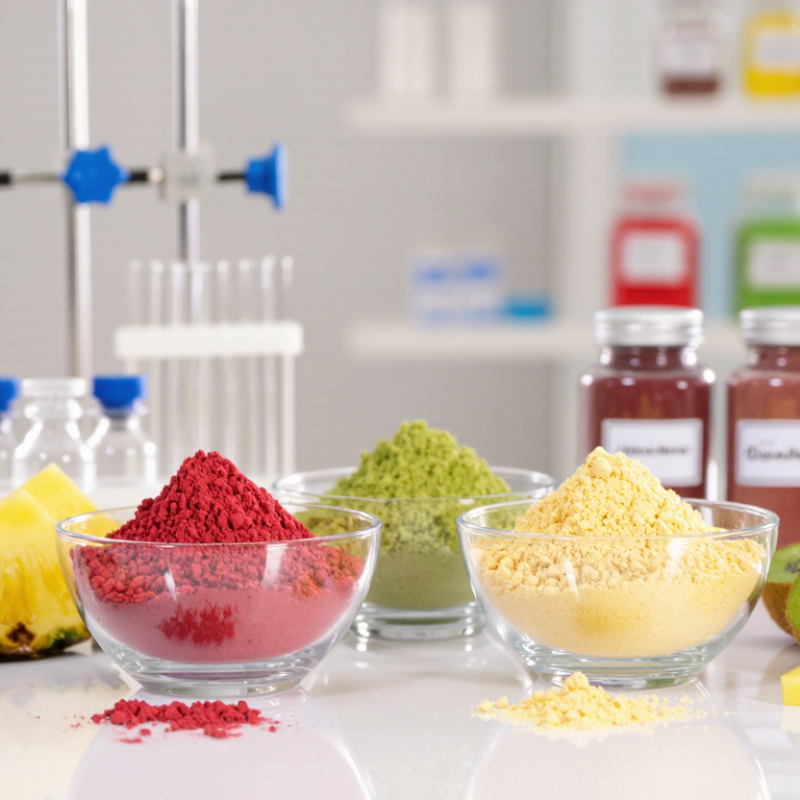
China Top Natural Fruit Powder Bulk Suppliers for Global Buyers

Understanding China's Natural Fruit Powder Bulk Supply Market

China’s natural fruit powder supply market includes processors, ingredient traders, and export-focused manufacturers. Their capabilities vary by fruit, drying method, and production scale. Some powders are spray-dried; others use freeze-drying, which can affect color, aroma, solubility, and cost. Buyers should compare actual samples, not just catalog descriptions.

Specifications need careful review. Confirm fruit content, any carriers, moisture limits, particle size, and the test methods used for each batch. Ask for recent product and microbiological test reports, plus traceability records linking raw fruit to finished powder. Check whether the sample matches a later production lot. Small details matter. A bright color alone does not prove freshness or quality.

Packaging and communication also shape a reliable purchase. Request moisture-barrier bags, clear batch labels, and storage guidance, especially for powders that clump in humid conditions. Discuss minimum order quantities, production lead times, and shipping documents before placing an order. Supplier audits can help, but they take time and may not reveal every issue. A modest trial order is often more informative than a confident sales promise; even then, results deserve a second look.

Key Fruit Powders and Their Common Applications

Fruit powders add fruit character without the water and short shelf life of fresh produce. Mango powder brings a rounded sweetness to smoothie blends, yogurt, and bakery fillings. Banana powder works well in cereal mixes, snack coatings, and quick breads. It can also thicken a blend, so small trial batches help prevent a heavy, pasty texture. Texture matters.

Berry powders, including strawberry and blueberry, are often chosen for their color and tart notes in drinks, dessert mixes, and confectionery. Their shades can shift during processing or storage, especially when exposed to heat, light, or moisture. A bright sample may not produce the same color in a baked product. Check it in the actual recipe.

Apple and citrus powders suit seasoning blends, beverage bases, and dry baking mixes. Citrus can sharpen flavor, while apple adds mild sweetness and body. Powder does not always dissolve smoothly; particle size and fruit solids affect the result. For bulk purchasing, compare the ingredient specification, moisture level, processing method, and sample performance. Ask whether the powder contains a carrier, since this can change taste and formulation. A sample test is useful, but it cannot represent every production batch, so repeat checks are worth the extra time.

Quality Standards and Certifications for Global Buyers

For global buyers sourcing natural fruit powder in bulk from China, quality checks should begin with a clear product specification. Define the fruit species, powder form, color range, moisture limit, and whether carriers are permitted. Request a recent certificate of analysis for each lot, not just a general sample report. It should identify the batch and show relevant results, such as microbiological counts, heavy metals, and pesticide residues. Paperwork is not proof.

Ask how the supplier controls raw fruit intake, drying, milling, and storage. These steps affect flavor and can introduce contamination if poorly managed. Certifications such as HACCP, ISO 22000, or FSSC 22000 may indicate a documented food-safety system, but verify the certificate’s validity, site, and scope. Requirements vary by destination market, so confirm applicable limits with your importer or qualified regulatory adviser. For organic claims, check that the product and facility fall within the certification’s scope. Details matter. A plant visit or independent audit can add useful evidence, though even a well-run audit may not capture every production day. Keep retained samples and agreed testing methods in the contract; this small step is easy to overlook.

How to Evaluate and Select a Chinese Bulk Supplier

When comparing Chinese bulk suppliers of natural fruit powder, begin with a precise product specification. Name the fruit, processing method, particle size, moisture range, and intended use. A sample should match the quoted grade, not just look similar. Check its color, aroma, flow, and solubility in water. Small differences matter.

Ask for a recent certificate of analysis and confirm which tests were performed by an independent laboratory. Review microbiological results, heavy-metal data, and any relevant pesticide screening. Check that batch numbers connect the test report to the product and production records. Ask how fruit origin, processing dates, and storage conditions are documented.

Details matter. A polished PDF alone is not proof.

Request a sample from a current production lot when possible, and compare it with the report.

Evaluate the supplier’s process, not only its price. Ask about drying technology, cleaning controls, allergen handling, packaging liners, and moisture protection during shipment. A factory visit or qualified third-party audit can help verify records and equipment. Also test responsiveness: clear answers about lead times, minimum order quantities, and change control suggest a more dependable working relationship.

One weakness may remain. Smaller suppliers can offer flexibility, yet their capacity may fluctuate during harvest seasons. Confirm production slots and agree on how changes in fruit source or specifications will be communicated before placing a bulk order.

Export, Packaging, and Logistics Considerations

For bulk fruit powder exports, documentation should match the product, lot, and destination market. Buyers commonly request a commercial invoice, packing list, certificate of analysis, and traceable lot codes. Requirements vary by country, so confirm them before production rather than at the port. The World Bank’s Logistics Performance Index 2023 highlights customs and shipment timeliness as core measures of supply-chain performance. In practice, paperwork mismatches can delay otherwise sound cargo. Small details matter.

Powder readily absorbs moisture and odors. Use sealed, food-contact-compliant inner liners, then sturdy cartons or drums suited to the shipment’s handling conditions. Specify net weight, batch number, and storage guidance on each package. A dry, clean container is essential; inspect for leaks, residue, and strong odors before loading. FAO estimated that 13.2% of food was lost after harvest and before retail in 2021. That figure covers many products, not fruit powder alone, but it underscores why careful handling matters.

Plan shipping around shelf life, transit time, and the buyer’s receiving capacity. UNCTAD’s Review of Maritime Transport 2024 notes that maritime shipping carries over 80% of world trade by volume, making port delays a practical concern. Request realistic schedules and share shipment documents early. Keep samples from each lot where feasible. Not every delay is preventable. A buffer helps. Exporters should also explain any limits in their handling data, rather than promise identical color or flow after every journey.

China Top Natural Fruit Powder Bulk Suppliers for Global Buyers - Export, Packaging, and Logistics Considerations
Evaluation Area What Buyers May Encounter Checks to Make Before Ordering Export and Logistics Considerations
Product and fruit specification Powders may be made from different fruits and processes, including spray-drying or freeze-drying. Ingredients can include carriers such as maltodextrin, depending on the product. Confirm fruit variety, country of origin, processing method, ingredient list, and whether the product is pure fruit powder or a formulated blend. Ensure the product description on the quotation, invoice, packing list, and import documents matches the goods being shipped.
Moisture and water activity Moisture specifications vary by fruit and processing method; there is no single suitable limit for every fruit powder. Request a product-specific specification and recent Certificate of Analysis (COA). Confirm the test method and whether water activity is reported. Moisture-barrier packaging and protection from condensation help reduce caking and quality changes during transit.
Microbiological and contaminant testing Buyer requirements may cover total plate count, yeast and mould, pathogens, pesticide residues, heavy metals, or other risk-based parameters. Agree on limits and test methods in writing. Review lot-specific results and ask whether testing is performed by an accredited laboratory when required. Import limits differ by destination and product classification. Check the importing market's rules before shipment rather than relying on a generic COA.
Certifications and traceability Food-safety certifications and audit schemes vary by facility and product; certification should not be assumed from a supplier's general claim. Verify certificate scope, site, issuing body, validity dates, lot coding, and traceability procedures. Request supporting records where appropriate. Some buyers or markets may require specific food-safety, organic, or other documentation. Confirm that certificates cover the actual product and production site.
Packaging format Bulk powders are commonly packed in food-contact inner liners with an outer bag or carton. Pack weights and materials vary by supplier and buyer requirements. Confirm net weight, liner material, seal integrity, food-contact documentation, pallet configuration, and whether custom labels are needed. Specify protection from moisture, light, odor, and physical damage. Check pallet materials and treatment requirements for the destination.
Shelf life and storage Shelf life depends on the fruit, formulation, process, packaging, and validated product data. Request the declared shelf life, production date, expiry or best-before date, and storage instructions. Confirm remaining shelf life at dispatch. Agree on storage and transport conditions; avoid exposure to heat, moisture, and strong odors. Use product-specific instructions rather than assuming a universal temperature range.
Sampling and quality approval Pre-shipment samples can help buyers assess color, aroma, taste, solubility, and application performance. Approve a representative sample and written specification before placing a bulk order. Define the process for handling nonconforming lots. Keep sample identification and approval records linked to the purchase order and production lot.
Order quantity and production planning Minimum order quantities, lead times, and available production capacity depend on the product, season, and packaging request. Obtain a written quotation covering quantity, production lead time, tolerances, payment terms, and any sample or testing charges. Allow time for production, inspection, export clearance, booking, and destination customs processing when planning delivery dates.
Shipping terms and freight Quotes may use Incoterms such as EXW, FOB, or CIF, each allocating costs and responsibilities differently. Confirm the named place or port, applicable Incoterms edition, insurance responsibility, and who arranges export and import clearance. Compare total landed cost, not just the product price. Freight, insurance, duties, taxes, port charges, and inland delivery may be separate.
Export and import documents Common shipping paperwork can include a commercial invoice, packing list, and transport document. Additional documents depend on the goods and destination. Agree in advance on document format and data fields. Check whether a certificate of origin, health or phytosanitary document, or other permit is required. Requirements vary by country, product, and tariff classification. Confirm current requirements with the destination customs authority or qualified broker.
Customs classification and labeling Tariff classification and label rules depend on product composition, processing, intended use, and importing market. Have the importer or customs broker review the classification, ingredient declaration, allergen statements, and destination-language labeling where applicable. Provide accurate descriptions and consistent product details across labels and customs documents to help avoid clearance delays.
Shipment inspection and claims Buyers may arrange pre-shipment checks or inspection on arrival according to their quality and contract requirements. Set inspection criteria, sampling method, claim notification window, and evidence requirements in the sales agreement. Record lot numbers and retain photos of packaging and any damage. Follow carrier and insurer procedures promptly if a loss or damage claim arises.

FAQS

How do spray-dried and freeze-dried fruit powders differ?

Drying methods can affect color, aroma, solubility, and cost. Compare samples in your intended recipe.

What specifications should buyers confirm?

Check fruit content, carriers, moisture limits, particle size, and test methods. Small details matter.

Which documents are useful when assessing a supplier?

Request recent test reports, batch records, and traceability details linking fruit to finished powder. A polished report alone proves little.

How can buyers check whether a sample suits their product?

Test its color, aroma, flow, and solubility in water. Then try it in the real recipe.

Which fruit powders suit common food applications?

Mango works in smoothies and bakery fillings; banana suits cereal mixes and quick breads. Banana can make blends pasty.

Why might fruit powder clump or change color?

Humidity can cause clumping, while heat, light, and moisture may shift berry colors. Storage conditions count.

What should buyers ask about packaging and shipping?

Confirm moisture-barrier bags, batch labels, storage guidance, lead times, and shipping documents. Plan before ordering.

Is a trial order enough to verify quality?

A modest trial can reveal handling and recipe issues. It cannot represent every production batch, so repeat checks are worthwhile.

Conclusion

China’s Natural Fruit Powder Bulk market offers global buyers a wide range of ingredients made from fruits such as mango, strawberry, apple, and citrus. These powders are commonly used in beverages, bakery products, snacks, supplements, and other food applications. When comparing options, buyers should consider fruit origin, processing methods, flavor, color, solubility, and whether the powder meets the needs of its intended use.

A reliable supplier should provide clear product specifications, quality documentation, and relevant food safety certifications, while maintaining consistent production and traceability. Buyers can assess suppliers by requesting samples, reviewing test results, confirming minimum order quantities, and checking communication and production capacity. Before placing an order, clarify packaging, shelf life, storage requirements, export documentation, shipping terms, and delivery timelines to help ensure the product arrives in suitable condition.

Ethan

Ethan

Ethan is a dedicated marketing professional with a deep expertise in the company's core products and services. With a passion for conveying complex concepts in an engaging manner, he frequently updates the company’s professional blog, ensuring that clients and partners stay informed about the......