
Knowledge & Technical Hub

Industry Insights & Botanical Science

Discover technical research, ingredient innovations, and global health market trends from ISN Biotech Co., Ltd.

0%

China’s functional food sector is expanding, but supplier selection still demands careful scrutiny. Functional Food Raw Materials can include plant extracts, dietary fibers, probiotics, proteins, and specialty nutrients. Each ingredient brings different questions. Where was it sourced? How is it processed? Can its quality remain consistent from batch to batch?

As researcher Clare Hasler has described the field, functional foods offer “benefits beyond basic nutrition.” That idea sets a useful benchmark, not a guarantee of results. For buyers, an attractive label means little without clear specifications, suitable testing, and evidence relevant to the ingredient’s intended use. A powder may look uniform in a sample jar, yet behave differently in a drink or nutrition bar. Small details matter.

This guide examines ten China-based suppliers through practical lenses: product range, manufacturing capabilities, quality documentation, traceability, and communication. These factors can help readers form better questions, though they cannot replace independent supplier checks. No ranking tells the whole story. Company information can change, and public materials may leave gaps. That is worth remembering. The aim is a grounded starting point for evaluating suppliers, not a promise of performance or a substitute for technical review.
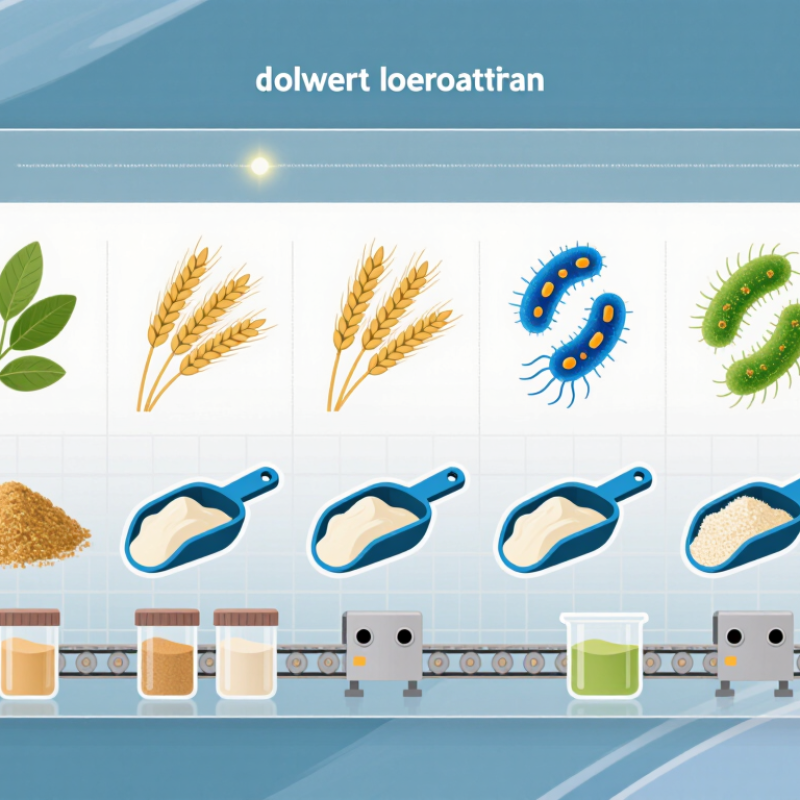
China Top 10 Functional Food Raw Materials Suppliers

Understanding Functional Food Raw Materials and Their Uses in China

Functional food raw materials are selected for a specific nutritional or technological role, not simply because they sound healthy. In China, common examples include oat beta-glucan for soluble fiber, soy protein for protein enrichment, and probiotic cultures for fermented products. Their performance depends on dose, processing, storage, and the finished food matrix. A powder that mixes well in a drink may behave differently in a baked snack. Small details matter.

The Chinese Nutrition Society’s Dietary Guidelines for Chinese Residents (2022) recommend 300–500 grams of vegetables and 200–350 grams of fruit daily. These benchmarks help explain interest in fiber-rich plant ingredients, but they do not prove that any single added ingredient improves health. Evidence can be uneven. Suppliers should provide clear specifications, traceable origin, contaminant testing, and data on stability in the intended product. I would also question broad claims based only on laboratory tests: real foods are more complicated. Product developers need to assess taste, texture, serving size, and consumer tolerance alongside nutritional value. A useful ingredient must work in the food people actually eat.

Key Criteria for Evaluating Chinese Suppliers

China’s functional-food raw-material market is increasingly shaped by demand for consistent, traceable ingredients. Fortune Business Insights estimated the global functional-food market at USD 281.14 billion in 2021, projecting USD 529.68 billion by 2028, at a 9.5% CAGR. The World Health Organization estimated that contaminated food causes 600 million illnesses and 420,000 deaths worldwide each year. These figures do not measure Chinese supplier performance; they show why quality controls and verification matter. Check ingredient identity, active-compound specifications, contaminant limits, and batch-to-batch consistency. Ask for recent, batch-specific certificates of analysis, not generic sample documents. Paperwork is not proof.

Evaluate the supplier’s manufacturing controls, audit scope, traceability, and storage conditions. Request records showing where raw materials were sourced and how processing conditions are monitored. For botanical ingredients, details such as harvest season, extraction solvent, and moisture control can affect consistency. Confirm that testing methods suit the ingredient and its intended use. A certificate alone is thin evidence. Compare a document against a retained sample or independent test where practical. Supplier interviews can reveal gaps, but polished answers are easy to mistake for robust systems. Buyers should verify claims through records and, when feasible, an on-site audit. Perfect documentation is rare; missing records still deserve a clear explanation.

China’s Top 10 Functional Food Raw Materials Suppliers

China’s Top 10 Functional Food Raw Materials Suppliers are best compared by more than catalog size. Buyers should examine active-content specifications, batch-to-batch consistency, traceability, and support for stability testing. A powder that looks uniform can still vary in solubility or taste. Small details matter. Check whether suppliers provide clear test methods and representative certificates of analysis, not only sales claims.

The commercial outlook is substantial, but the figures need context. Fortune Business Insights estimated the global functional food market at USD 281.14 billion in 2023 and forecast USD 504.41 billion by 2032. This is a global projection, not proof of China-specific ingredient demand. For a practical supplier shortlist, compare materials such as dietary fibers, plant extracts, probiotics, and protein ingredients against the intended product format. Ask how moisture, heat, and storage affect each material. A technically strong specification may still fail in a real beverage or snack. Supplier rankings also depend on the buyer’s application, and no single list can settle every sourcing decision.

Main Product Categories and Quality Standards

Main Product Categories and Quality Standards

Functional food suppliers commonly offer soluble fibers and prebiotics, probiotic cultures, plant extracts, omega-3 oils, protein ingredients, and vitamins or minerals. Each category needs different checks. For example, a fiber specification should state identity, purity, moisture, and particle size; a live culture needs strain identification and viable counts through its stated shelf life. Supplier comparisons are more useful when certificates of analysis show test methods and batch results, not just pass-or-fail claims. Small details matter.

Quality systems should cover traceability, allergen controls, microbiological limits, pesticide residues, and heavy metals. The Codex General Standard for Contaminants and Toxins in Food and Feed provides relevant contaminant benchmarks, while ISO 22000:2018 sets food safety management requirements. WHO estimates that 600 million people—nearly one in ten globally—become ill from contaminated food each year, underscoring the value of strong controls (WHO, Food Safety fact sheet). A certificate alone is not enough; review sampling plans, independent laboratory competence, and stability data. Paperwork can look tidy. The batch still matters.

Tips: Request recent, lot-specific test results and verify whether specifications match your intended food application. Check storage conditions too: a probiotic powder left warm on a loading dock may lose potency before production.

China Top 10 Functional Food Raw Materials Suppliers — Main Product Categories and Quality Standards

Illustrative quality-marker assay values for ten commonly used functional food ingredients

This chart shows ingredient categories and representative commercial-grade assay examples, not supplier rankings or company-specific data. Assay methods and specifications vary by ingredient, extract, and market; the percentages are not directly comparable. Supplier qualification should also review identity, contaminants, microbiological limits, and batch-specific certificates of analysis.

How to Compare Suppliers and Plan Your Sourcing Strategy

When comparing functional food ingredient suppliers in China, begin with the specification, not the sales quote. Ask for source identity, active-marker range, moisture limits, particle size, and storage conditions. Request recent certificates of analysis and check whether results cover each batch or only a representative sample. A polished document is not proof. Confirm testing methods, laboratory qualifications, and how out-of-range lots are handled. For powders, inspect sealed sample packaging and note color, odor, and flow after opening. These details can expose differences that a price sheet hides.

Compare suppliers on repeatability, not just a successful first sample. Review traceability records, production capacity, lead times, change-control procedures, and response speed when questions arise. Request samples from more than one production lot when feasible, then test them against the same internal criteria. I would not treat a low minimum order as an advantage if every reorder varies. That trade-off is easy to miss. Build a plan with a qualified primary source and a tested backup, while keeping specifications consistent. Agree on forecast windows, safety stock, packaging format, and notification before any process or source change. Leave room for uncertainty. Even careful checks cannot predict every delay, and that is worth admitting.

FAQS

What are functional food raw materials?

They are ingredients chosen for a nutritional or technical role. Examples include oat fiber, soy protein, and probiotic cultures.

What affects how an ingredient performs?

Dose, processing, storage, and the finished food all matter. A powder that blends into a drink may behave differently in a baked snack.

Which ingredient categories are common?

Suppliers often offer soluble fibers, probiotic cultures, plant extracts, omega-3 oils, proteins, vitamins, and minerals. Each needs different checks.

What details should a fiber specification include?

It should state identity, purity, moisture, and particle size. Those details help predict how it may mix or feel in food.

How should probiotic cultures be assessed?

Check strain identity and viable counts through the stated shelf life. Warm storage during delivery can reduce potency.

What quality records should buyers request?

Request recent, lot-specific test results with methods and batch data. A certificate alone is not enough.

Which safety checks matter for raw materials?

Review traceability, allergen controls, microbes, pesticide residues, and heavy metals. Check who sampled and tested each batch.

Do added ingredients automatically improve a food’s health value?

No. A nutrient target does not prove that one added ingredient improves health. Evidence can be uneven.

What should developers test in the finished food?

Assess taste, texture, serving size, stability, and consumer tolerance. A useful ingredient must work in food people actually eat.

Why does the food matrix matter?

Ingredients can change during processing and storage. Lab results may not reflect the finished product. I would still question broad claims.

Conclusion

This article explores the role of Functional Food Raw Materials in China, including how ingredients such as plant extracts, dietary fibers, probiotics, and functional proteins are used in food and beverage development. It outlines the main factors buyers should consider when evaluating suppliers, including product consistency, traceability, manufacturing capabilities, documentation, and quality control. The overview of China’s top 10 suppliers is intended to help readers understand the range of sourcing options available without focusing on individual brand names.

The article also compares major product categories and explains why clear quality standards and reliable testing matter when selecting ingredients. Readers will find practical guidance for comparing suppliers, assessing their ability to meet specific product requirements, and planning a sourcing strategy that balances quality, supply stability, and cost. Together, these topics provide a useful starting point for making informed sourcing decisions in China’s functional food materials market.

Clara

Clara

Clara is a dedicated marketing professional with a wealth of expertise in the industry. With an in-depth understanding of the company’s offerings, she plays a pivotal role in shaping the narrative around our core services. Clara is responsible for crafting insightful blog posts on our company......