
Knowledge & Technical Hub

Industry Insights & Botanical Science

Discover technical research, ingredient innovations, and global health market trends from ISN Biotech Co., Ltd.

0%

Choosing a Natural Plant Extract OEM Manufacturer can shape your product’s safety, consistency, and market credibility. The right partner does more than fill capsules or prepare powders. It verifies botanical identity, controls extraction conditions, and documents every critical step. Dr. Daniel Fabricant, a respected dietary supplement regulator and industry leader, has emphasized, “You can’t test quality into a product; quality must be built into the process.” That principle deserves attention during supplier selection.

A dependable manufacturer should provide clear certificates of analysis, validated testing methods, and traceable raw material records. Ask where the plants are grown. Ask how they are authenticated. Review controls for pesticides, heavy metals, microbial contamination, and residual solvents. Then examine the facility, quality system, and change-control procedures. A polished sales presentation proves little. Batch records reveal more. Small details matter, such as sealed sample bags, matching lot numbers, and realistic lead-time estimates.

Experience still requires reflection. Even careful buyers may focus too heavily on price or attractive extracts. That mistake can become expensive later. Request a pilot batch before signing a long-term agreement. Compare color, aroma, solubility, marker compounds, and stability data. Confirm whether the manufacturer can scale without changing the formula’s identity. A strong partner also explains limitations honestly. No supplier is perfect. Reliability grows when evidence supports every promise. These seven practical tips will help you assess technical capability, communication, compliance, and long-term fit with greater confidence.
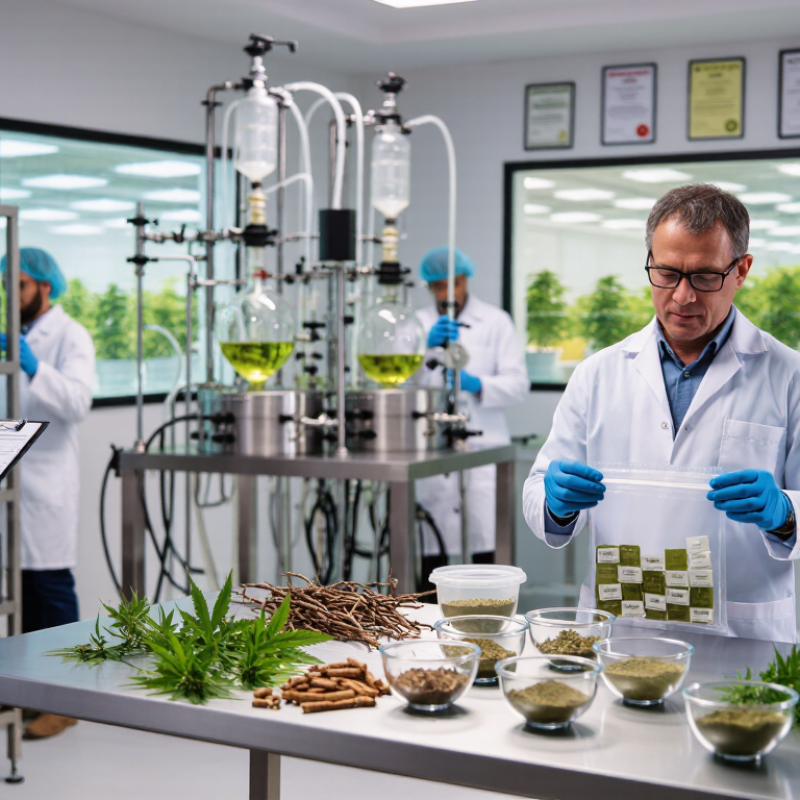
7 Tips to Choose a Natural Plant Extract OEM Manufacturer?

Define Your Natural Plant Extract OEM Product Requirements

Defining your natural plant extract OEM requirements starts with the plant itself. State the accepted botanical name, plant part, origin, and extraction method. “Green tea extract” is not precise enough. Specify leaf material, water or ethanol extraction, extract ratio, and target marker compounds. Add the desired form, such as powder, liquid, or granules.

Set measurable quality requirements before contacting a manufacturer. Include marker-compound ranges, moisture limits, particle size, color, odor, and solubility. Request testing for heavy metals, pesticides, microbial contamination, and residual solvents. A reliable specification should also identify approved test methods and required certificates. Ask for batch records and traceability from raw material to finished packaging.

Think about production realities, too. Define the serving size, packaging format, minimum order quantity, shelf-life target, and storage conditions. If the extract will enter a beverage, check heat stability and dispersibility early. If it will become a capsule, confirm flowability and bulk density. Small details matter.

Leave room for technical review. Your preferred extraction ratio may reduce stability. Your target color may change between harvests. That is normal, but it needs documentation. Request a representative sample, a certificate of analysis, and stability data before approving a pilot batch. Clear requirements make discussions faster, although the first version may still need revision.

Define Your Natural Plant Extract OEM Product Requirements

Marker-compound targets are one of the most important specifications to define before selecting an OEM manufacturer. The examples below represent commonly requested standardization levels for widely used botanical extracts; final targets should be confirmed according to the intended application, test method, and regulatory market.

When requesting an OEM quotation, also specify botanical identity, extraction solvent, plant part, contaminant limits, analytical method, packaging, shelf life, and certificates required for each batch.

Verify the Manufacturer’s Botanical Sourcing and Extraction Expertise

Ask for the botanical name, plant part, harvest region, and season. Common names can hide substitutions. WHO’s Global Report on Traditional and Complementary Medicine 2019 records traditional medicine use in 170 of 194 member states. This scale increases pressure on consistent, traceable raw materials. Kew’s State of the World’s Plants and Fungi 2020 estimated that 39.4% of plant species face extinction risk. Request farm or collector records, pesticide results, heavy-metal tests, and a chain-of-custody map. Do not accept a glossy certificate alone.

An experienced OEM should explain solvent choice, temperature, extraction ratio, filtration, and marker-compound testing. Ask whether the process protects heat-sensitive constituents. That distinction matters. USP General Chapter <563> describes complementary approaches for botanical identification. Review representative chromatograms, microscopy results, or DNA test reports when appropriate. A single test may miss adulteration. This happens more often than brochures suggest.

Visit the facility if possible. Watch material flow from the receiving dock to sealed drums. Check retained samples, cleaning logs, and batch-deviation records. A serious manufacturer can discuss a failed batch without hiding behind perfect language. Still, audits have blind spots. Pair the visit with independent testing and a small pilot batch. Extraction yield alone can mislead; a darker extract is not automatically stronger. Choose the supplier that explains uncertainty clearly and corrects it with evidence.

Evaluate Quality Control Systems, Testing, and Regulatory Compliance

7 Tips to Choose a Natural Plant Extract OEM Manufacturer?

Evaluate Quality Control Systems, Testing, and Regulatory Compliance

Choosing a natural plant extract OEM manufacturer requires more than comparing prices. Ask how raw materials are identified, approved, and stored. Review botanical names, harvest details, supplier qualification records, and lot traceability. Request a current certificate of analysis for every batch. Check identity, potency, moisture, microbes, heavy metals, pesticides, and residual solvents. Do not accept vague testing language.

Testing should follow written methods with defined acceptance limits. Ask whether laboratories use validated procedures and calibrated equipment. Independent laboratory results can add credibility, especially for high-risk contaminants. A perfect-looking certificate can still hide weak sampling. Check how samples are collected, sealed, retained, and linked to production records. Visit the facility if possible. Observe hygiene controls, material flow, cleaning records, and employee training.

The manufacturer should operate a documented quality system, including deviation handling, corrective actions, change control, and product release procedures. Review stability data for the intended packaging and storage conditions. Confirm compliance with applicable food, supplement, cosmetic, or pharmaceutical requirements in your target market. Ask how claims, labels, allergens, and restricted ingredients are reviewed before shipment. One successful pilot batch is not proof of consistent quality. I would also examine complaint records and recall procedures, because reliability appears most clearly when something goes wrong. My judgment may change after an audit. That is a healthy sign.

7 Tips to Choose a Natural Plant Extract OEM Manufacturer? – Evaluate Quality Control Systems, Testing, and Regulatory Compliance

Tip Evaluation Dimension What a Qualified Manufacturer Should Demonstrate Relevant Standard or Requirement Documents or Evidence to Request Practical Verification Question
1 Quality Management System A documented system covering supplier approval, batch records, deviation handling, corrective and preventive actions, change control, training, and internal audits. ISO 9001 principles; applicable Good Manufacturing Practice requirements. Current certificate scope, quality manual index, audit summary, sample batch record, and CAPA procedure. Can the quality unit approve or reject a batch independently of production?
2 Raw-Material Traceability Each botanical lot should be traceable from approved supplier and origin through receiving, processing, packaging, and final release. GMP traceability and record-retention principles; botanical identity and authenticity controls. Supplier qualification records, certificates of analysis, lot-number system, origin records, and recall procedure. How quickly can one finished batch be traced back to its exact raw-material lots?
3 Botanical Identity and Standardization The plant part, species, extraction solvent, extraction ratio, marker compounds, and declared potency should be defined and controlled consistently. Validated or verified identity methods; relevant pharmacopoeial monographs where available. Botanical specification, macroscopic or microscopic examination, chromatographic fingerprint, marker assay, and reference-standard information. Is the specification based on the correct species and plant part rather than only a common name?
4 Contaminant and Adulteration Testing Risk-based testing should address microbial contamination, heavy metals, pesticide residues, residual solvents, mycotoxins, and economically motivated adulteration when relevant. Applicable national limits, Codex or pharmacopoeial methods, and destination-market requirements. Recent batch-specific test reports, method references, detection limits, and out-of-specification investigation records. Are tests selected according to the plant, geographic origin, process, and intended market?
5 Laboratory Competence Critical analyses should be performed by a competent in-house laboratory or an independent laboratory using documented, validated, or verified methods. ISO/IEC 17025 for testing-laboratory competence; method validation principles for accuracy, precision, specificity, and detection capability. Laboratory accreditation scope, method-validation summary, instrument calibration records, proficiency-testing results, and raw data availability. Does the laboratory accreditation scope cover the specific test and matrix being offered?
6 Regulatory and Label Compliance The manufacturer should support compliant ingredient status, specifications, labels, claims, allergen declarations, packaging information, and market-specific documentation. U.S. dietary-supplement GMPs under 21 CFR Part 111; applicable EU food-supplement, novel-food, labeling, and health-claim rules. Regulatory review checklist, ingredient-status assessment, label review, stability information, safety dossier, and claim substantiation file. Which regulatory jurisdiction and product category will govern the finished product?
7 Batch Release, Stability, and Continuous Improvement Release should occur only after review of manufacturing and testing records; stability data should support the proposed shelf life and storage conditions. GMP batch-release controls; stability-study principles using real-time and, where justified, accelerated conditions. Signed certificate of analysis, release checklist, stability protocol, trend reports, complaint records, and recall-test results. What objective evidence supports the stated shelf life, storage conditions, and batch-to-batch consistency?
Note: Acceptance limits, required tests, labeling rules, and certification expectations vary by botanical ingredient, dosage form, intended use, and destination market. Confirm the final specification against the regulations applicable to the product’s target country.

Compare Manufacturing Capabilities, Customization, and Minimum Orders

Choosing a natural plant extract OEM manufacturer requires more than comparing price. Review extraction equipment, quality systems, and technical experience. Ask whether the facility handles water, ethanol, or other permitted extraction methods. Check cleaning validation, allergen controls, microbial testing, and heavy-metal screening. Request a recent certificate of analysis, batch record, and traceability details from raw herb to finished powder. Shiny equipment is not enough.

Customization should match your product’s real requirements. Can the manufacturer adjust marker compounds, particle size, color, aroma, or carrier materials? Can its team support capsules, powders, beverages, or topical formulas? Ask for pilot samples made with production-relevant equipment. Small laboratory samples may behave differently at scale. A reliable manufacturer explains limitations clearly instead of promising everything. That honesty matters. I would still question any result that looks perfect without supporting test data.

Compare minimum orders by product code, not only by annual volume. Ask whether the MOQ includes packaging, custom formulas, or a separate testing charge. A low MOQ may reduce inventory pressure but increase unit cost. A high MOQ can tie up cash and create storage risks. Request tiered quotations for pilot, first production, and repeat orders. Also confirm lead times, retesting policies, shelf-life support, and storage conditions. Some suppliers quote an attractive MOQ but change the calculation after customization. Read every production assumption carefully.

Review Communication, Pricing, Lead Times, and Long-Term Support

Choosing a natural plant extract OEM manufacturer requires more than comparing a quotation. Communication often reveals how carefully a supplier works. Ask whether technical staff can explain extraction methods, marker compounds, allergens, and testing limits clearly. Request sample specifications, certificates of analysis, and traceability records before discussing large volumes. A reliable partner should answer within an agreed time and document every change. Silence is costly.

Pricing needs careful examination. Compare itemized costs for raw materials, extraction, testing, packaging, and shipping. A low price may exclude stability testing or customized documentation. Ask how price changes with seasonal crops, order quantities, and formulation adjustments. These details can prevent unpleasant surprises. Lead times also need written confirmation. Clarify sample development, pilot production, approval, and final delivery dates. Add a realistic buffer for harvest delays or failed quality tests. Many buyers ignore this step.

Long-term support separates a vendor from a manufacturing partner. Discuss batch consistency, complaint handling, technical updates, and replacement procedures before signing an agreement. Ask whether the supplier can retain reference samples and support future audits. Regular reviews can expose small problems before they become expensive. Still, no system is perfect. Even experienced teams may underestimate a new extract’s stability or sensory changes. A practical partnership leaves room to learn, correct records, and improve the next batch. That matters.

FAQS

What details should an OEM product specification include?

Name the exact plant, plant part, origin, extraction method, extract ratio, and marker compounds. A desired form helps.

Why is “green tea extract” too vague?

It may describe different leaves, origins, extraction methods, or strengths.

Which quality tests should be required?

Request testing for heavy metals, pesticides, microbes, and residual solvents.

How can raw botanical materials be verified?

Request botanical names, plant parts, harvest regions, seasons, and collector or farm records.

What should be reviewed about the extraction process?

Ask about solvent choice, temperature, filtration, extraction ratio, and marker-compound testing.

Should a facility audit be completed before ordering?

Visit the facility when practical.

How should customization abilities be evaluated?

Ask whether the manufacturer can adjust marker compounds, particle size, color, aroma, or carrier materials.

How should minimum order quantities and pricing be compared?

Compare minimum orders by product code, not only annual volume.

What should be confirmed before approving a pilot batch?

Request a representative sample, certificate of analysis, stability data, and production-relevant test results.

Conclusion

Choosing the right Natural Plant Extract OEM Manufacturer begins with clearly defining your product requirements, including the plant species, extract format, potency, intended application, packaging, and target market. Next, verify the manufacturer’s botanical sourcing and extraction expertise by reviewing raw material traceability, supplier standards, extraction methods, and experience with similar products. A reliable partner should also maintain strong quality control systems, conduct appropriate identity, purity, safety, and stability testing, and follow all relevant regulatory and documentation requirements.

You should also compare manufacturing capacity, customization options, equipment, production flexibility, and minimum order quantities to ensure a practical fit. Before making a decision, review communication practices, pricing transparency, estimated lead times, sample and approval procedures, and after-sales support. The best manufacturer is not necessarily the cheapest option, but the one that can consistently deliver safe, well-documented, high-quality extracts while providing dependable communication and long-term cooperation.

Ethan

Ethan

Ethan is a dedicated marketing professional with a deep expertise in the company's core products and services. With a passion for conveying complex concepts in an engaging manner, he frequently updates the company’s professional blog, ensuring that clients and partners stay informed about the......