
Knowledge & Technical Hub

Industry Insights & Botanical Science

Discover technical research, ingredient innovations, and global health market trends from ISN Biotech Co., Ltd.

0%

Sourcing Standardized Bilberry Extract has become imperative for manufacturers in the dietary supplement industry. Recent research shows that the global demand for bilberry extract is projected to grow at a CAGR of 5.8% from 2023 to 2030. This growth highlights the extract's increasing importance in promoting eye health and its antioxidant properties. Industry expert Dr. Sarah Reynolds states, “Quality and standardization in bilberry extract are crucial for ensuring efficacy and consumer trust.”

Navigating the complexities of sourcing standardized bilberry extract can be challenging. Reliable suppliers are essential for quality assurance. It's vital to evaluate both the extraction process and the source location. Some suppliers promise high-quality products, but proving this claim remains difficult. Ensuring transparency and authenticity in the supply chain is key.

Moreover, the need for standardized bilberry extract extends beyond just quality. Consumers are increasingly aware and discerning about the ingredients in their supplements. They seek products that are tested and validated. Understanding these demands can guide companies to make informed sourcing decisions. Therefore, continuous education and market awareness are essential for success in this sector.
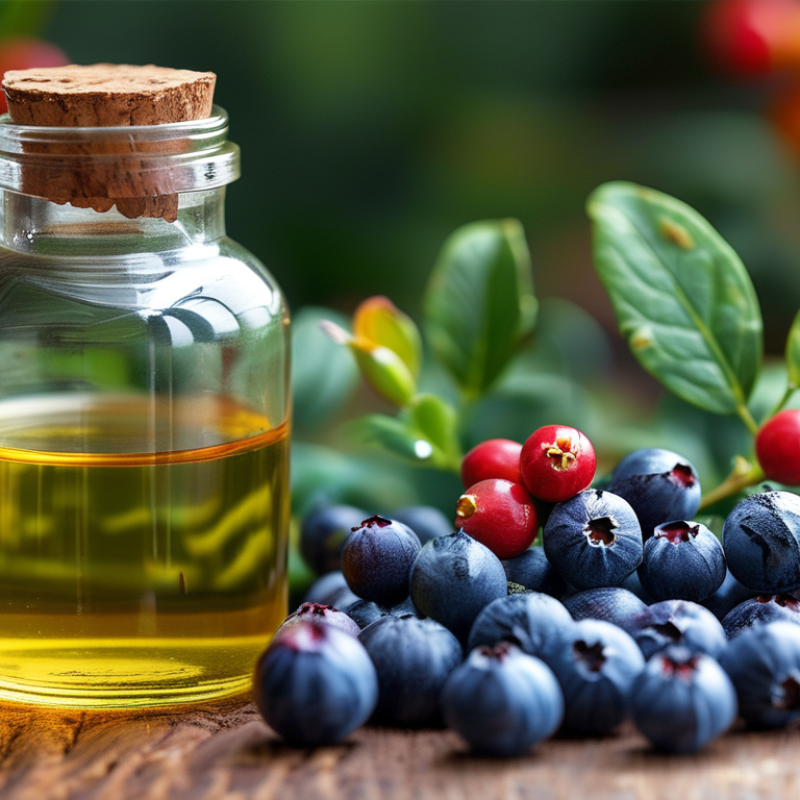
Essential Tips for Sourcing Standardized Bilberry Extract Globally?

Understanding the Global Market Demand for Bilberry Extract

The global market demand for bilberry extract has seen significant growth in recent years. This increase stems from its recognized health benefits, particularly for eye health and antioxidant properties. As consumers become more health-conscious, the interest in natural supplements rises. This trend drives manufacturers to source high-quality bilberry extract from reliable producers worldwide.

Understanding the sourcing landscape is crucial. Different regions offer varying quality and concentrations of bilberry extract. Sourcing from Europe, for example, provides assurance of rigorous agricultural standards. However, this can present challenges in terms of supply chain consistency and costs. It is essential to evaluate the reliability of suppliers and their production practices.

While there are opportunities in this market, challenges remain. The bilberry plant grows in specific climates, which limits supply. Additionally, ensuring sustainability in harvesting is vital. Companies need to verify that ethical practices are in place. Sourcing bilberry extract requires both expertise and diligence in navigating these complexities. As the market matures, understanding consumer preferences will be key to successful sourcing strategies.

Identifying Key Sourcing Regions for High-Quality Bilberry Extract

When sourcing standardized bilberry extract, identifying key regions is crucial for quality assurance. According to a report by the Global Market Insights Group, Europe is the leading producer, accounting for approximately 60% of the world’s bilberry extract supply. Countries like Finland, Sweden, and Latvia excel due to their favorable climatic conditions and rich soil. The presence of wild bilberry plants in these areas contributes to higher phytochemical content, making them prime sourcing locations.

Beyond Europe, North America also plays a role. Reports suggest that certain regions in Canada, particularly Quebec, are emerging as noteworthy sources. The specific cultivation practices in Canada focus on organic methods, yielding extracts that meet the growing demand for natural products. Yet, potential challenges exist, such as varying extraction processes which can impact the final quality.

It's essential to consider that not all extracts are created equal. One must evaluate the extraction techniques and growing conditions. Testing for anthocyanin levels will offer insight into the extract's potency. Data reveals that extracts with over 25% anthocyanins are often regarded as high-quality. However, sourcing from less established regions might lead to inconsistencies. Careful research and relationships with suppliers can help mitigate these risks.

Evaluating Standardization Methods for Bilberry Extract Quality Control

When sourcing standardized bilberry extract, quality control is crucial. Evaluating standardization methods can ensure that the extract maintains its potency and efficacy. Different techniques are employed in the industry, but not all are equally effective. High-performance liquid chromatography (HPLC) is one common method. It allows for precise measurement of anthocyanins, the active compounds in bilberries. However, this method can be expensive and may not always be necessary.

Another method to consider is spectrophotometry. It provides a quick assessment of extract quality. This technique is more accessible compared to HPLC. Yet, it may not capture the full profile of active constituents, leading to potential variability. Therefore, combining methods can yield better results.

Tips for maintaining quality include sourcing from reputable suppliers. Verify their certifications and testing protocols. Regularly conduct your own tests to ensure consistency. Keep in mind that even trusted sources may have variability in their products over time. Regular assessment and adjustments are vital to ensuring the extract meets your required standards.

Essential Tips for Sourcing Standardized Bilberry Extract Globally

Evaluation Criteria Description Standardization Method Quality Control Measures
Active Ingredient Content Measure of the concentration of anthocyanins High-Performance Liquid Chromatography (HPLC) Regular batch testing, documentation of results
Purity Level Presence of contaminants or adulterants Gas Chromatography (GC) Contaminant profiling, raw material checks
Color Consistency Visual assessment of extract color Spectrophotometry Colorimetry tests, comparative analysis
Bioactivity Ability to perform intended health benefits In vitro bioassays Effectiveness trials, customer feedback
Shelf Life Time span before extract degrades Stability testing Storage condition analysis, periodic testing

Regulatory Considerations for Importing Bilberry Extract Worldwide

When sourcing standardized bilberry extract globally, understanding regulatory considerations is crucial. Different countries enforce various regulations on importing dietary supplements. Companies must navigate these complexities carefully. Specific documentation may be required, such as safety data sheets and certificates of analysis. Each destination may have distinct quality control standards.

Compliance with local regulations ensures product safety and efficacy. In Europe, for instance, health claims must be substantiated by scientific evidence. This can challenge manufacturers who are new to these markets. It's vital for companies to stay updated on the evolving regulatory landscape. Lack of awareness can lead to costly delays and potential penalties.

Engaging with local experts can provide significant advantages. They can offer insights into the unique requirements of each market. Relationships with regulatory bodies can be beneficial as well. Yet, it is important to acknowledge that this process can be overwhelming. Continuous education on compliance practices is necessary for long-term success.

Global Sourcing of Standardized Bilberry Extract: Regulatory Considerations

Best Practices for Building Reliable Supplier Relationships in the Industry

Building reliable supplier relationships in the bilberry extract industry requires strategic efforts and genuine communication. Trust is the foundation. You can't expect a good outcome without it. Start by engaging suppliers in open dialogues. Share your expectations clearly. This establishes transparency. Misunderstandings often arise from unclear communication, leading to frustrations.

It's essential to conduct thorough vetting of potential partners. Evaluate their credentials and past performance. Look for suppliers with industry certifications. Experience matters; seasoned suppliers often have better quality control processes. Engage in small pilot orders initially. This allows you to assess their reliability without significant risk. If challenges arise, reflect on the communication styles used. Is there room for improvement?

Collaboration helps cultivate stronger ties. Regular meetings to discuss feedback can enhance these partnerships. Don't shy away from addressing issues directly. Transparency fosters growth. A balanced relationship involves sharing successes and setbacks. Remember to adapt and learn through these interactions. Establishing a reliable supplier network in this niche can be challenging, but the right practices can make a difference.

FAQS

: What is the significance of quality control for bilberry extract?

: Quality control ensures that bilberry extract remains potent and effective.

Which methods are used to evaluate bilberry extract?

Common methods include high-performance liquid chromatography (HPLC) and spectrophotometry.

How does HPLC benefit bilberry extract evaluation?

HPLC allows precise measurement of anthocyanins, the active compounds in bilberries.

What are the drawbacks of HPLC?

HPLC can be expensive and may not always be necessary for quality assessment.

Is spectrophotometry a good alternative?

Yes, it provides quick quality assessments but may miss some active constituents.

How can I ensure the quality of bilberry extract?

Source from reputable suppliers and verify their certifications and testing protocols.

Why is it important to conduct regular tests?

Regular tests ensure consistency, as even trusted sources may experience variability.

What should I know about importing bilberry extract internationally?

Understand different countries' regulations and required documentation for dietary supplements.

How can I stay compliant with local regulations?

Engage with local experts and stay updated on regulatory requirements.

What challenges might arise in complying with regulations?

Navigating complex regulations can be overwhelming and may lead to costly delays.

Conclusion

The global demand for Standardized Bilberry Extract has surged due to its recognized health benefits and applications across various industries. Understanding the key sourcing regions is essential for acquiring high-quality bilberry extract, with locations known for their superior berry cultivation leading the way. It is crucial to evaluate the standardization methods employed during production to ensure consistent quality control.

Additionally, navigating the regulatory landscape is vital for importing Standardized Bilberry Extract across different countries. Establishing reliable supplier relationships is another best practice that can facilitate smoother transactions and uphold product quality. By focusing on these aspects, businesses can effectively source standardized bilberry extract while ensuring compliance and fostering trust within the supply chain.

Ethan

Ethan

Ethan is a dedicated marketing professional with a deep expertise in the company's core products and services. With a passion for conveying complex concepts in an engaging manner, he frequently updates the company’s professional blog, ensuring that clients and partners stay informed about the......