Knowledge & Technical Hub

Industry Insights & Botanical Science

Discover technical research, ingredient innovations, and global health market trends from ISN Biotech Co., Ltd.

0%

Sourcing Dietary Supplement Plant Extracts in 2026 is no longer just a price exercise. Buyers need to verify botanical identity, extraction details, contaminant controls, and batch consistency. A neat specification sheet helps. It does not prove everything.

The American Botanical Council’s HerbalGram market report estimated U.S. herbal supplement sales at $12.6 billion in 2023, up 4.4% from 2022. The Council for Responsible Nutrition’s 2024 survey found that 75% of U.S. adults use dietary supplements. These figures signal a large market, not a guarantee of ingredient quality. Each purchase still needs evidence: authenticated species, traceable origin, clear extract ratios, and appropriate test results.

American Botanical Council founder Mark Blumenthal has emphasized the importance of reliable botanical identification and quality controls. Put simply, a plant name alone is not enough. Buyers should ask suppliers how identity is confirmed, which tests are performed, and whether results match the delivered batch. Check the paperwork against the physical product. Then check it again. This can feel repetitive, and sometimes the documents look convincing before the sourcing story does. That is a reason to pause, not to assume bad intent. In 2026, dependable sourcing will mean asking precise questions, reviewing credible records, and being honest about what remains uncertain.
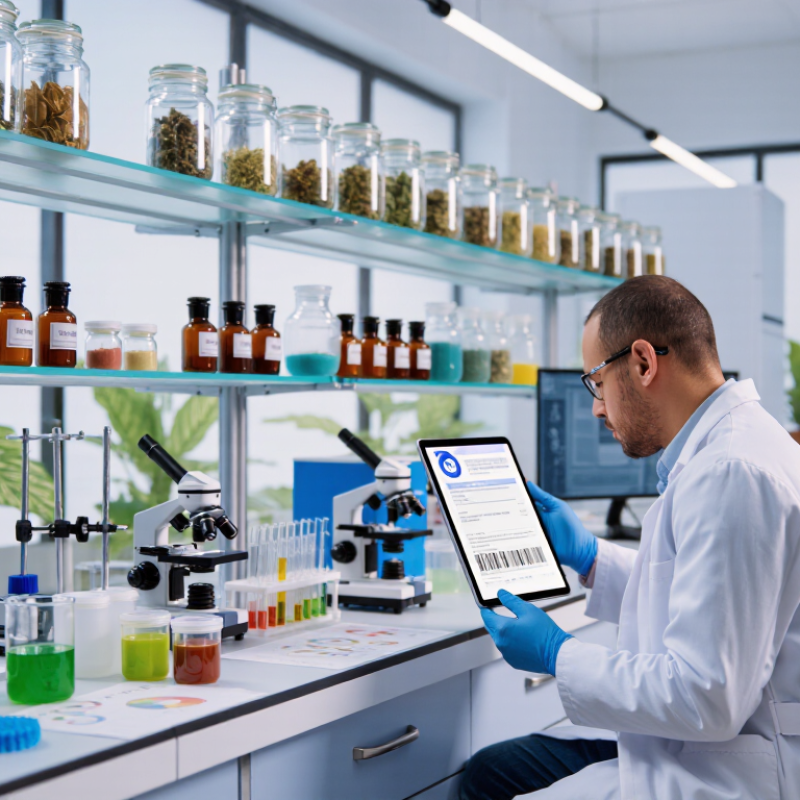
How to Source Dietary Supplement Plant Extracts in 2026?

Define Species, Plant Part, and Drug-to-Extract Ratio (DER)

In 2026, a botanical name is only the starting point. Specify the accepted Latin binomial, including the author where practical, and name the plant part: root, leaf, seed, or flower. “Ginseng extract” is too vague for a purchase specification. Different species and plant parts can have distinct chemical profiles. The American Botanical Council’s 2023 HerbalGram market report estimated U.S. herbal supplement sales at $12.6 billion, up 4.4% from 2022. That figure describes market sales, not ingredient quality, but it highlights why precise, repeatable sourcing matters.

Tips: Put species and plant part on the specification and certificate of analysis. Define the drug-to-extract ratio (DER), such as 5:1, and state whether it refers to native extract or includes carriers. Ask for the extraction solvent, too.

DER describes the amount of starting plant material used to make a quantity of extract; it does not prove potency or make two extracts equivalent. A 5:1 extract is not automatically five times stronger than the raw herb. Request identity testing and relevant marker-compound results, with methods and acceptance limits stated. Check that the supplier’s documents match the lot, not just a typical sample. I have seen specifications that look complete but leave the plant part unclear. That gap is easy to miss, and it matters.

Authenticate Botanical Identity with USP <561> and Lot Traceability

Botanical identity starts with the exact Latin binomial, plant part, and extraction details—not a common name alone. Two plants may share a familiar name yet differ in chemistry. Ask suppliers to document species, plant part, country of origin, harvest period, and extraction solvent. Keep those details linked to the specific production lot.

USP <561> provides testing approaches for botanical articles, including checks such as foreign matter, ash, and extractable matter where applicable. Match testing to the material and its specification; a raw leaf and a concentrated extract are not interchangeable samples. Use appropriate reference materials and review results alongside macroscopic, microscopic, or chromatographic evidence when relevant. A clean chromatogram is not a passport. No single test proves every part of identity.

Trace each lot from incoming botanical material through extraction, blending, and packaging. Request lot-specific certificates of analysis, test methods, and records connecting the extract to its starting material. Check that sample labels, batch numbers, and documents agree. Keep a retained sample, too. It can help when a later result looks unusual. Paperwork may appear complete while leaving a gap between harvest and finished extract; that gap deserves a direct question, not an assumption.

Qualify Suppliers Against FDA Dietary Supplement cGMP, 21 CFR Part 111

In 2026, source plant extracts by checking evidence, not just a polished sales sheet. Under 21 CFR Part 111, firms need component specifications and procedures for verifying incoming materials. Ask suppliers for specifications covering botanical identity, plant part, extraction solvent, and key marker compounds. Request lot-specific certificates of analysis, then check which methods produced the results. Match lot numbers on documents to sample labels. A neat PDF proves little on its own.

Qualification should examine the supplier’s quality system, too. Review audit records, training, deviation handling, change notifications, and traceability from harvest through extraction. Ask how the supplier assesses microbial risks, pesticides, heavy metals, and residual solvents for that specific extract. Risks vary by plant and process. Where appropriate, arrange an independent audit or confirm selected results with a qualified laboratory. Keep written approval criteria and record why each lot is accepted or rejected. No checklist catches everything. Supplier files can look complete while leaving gaps, so revisit them after process changes, complaints, or inconsistent test results. That takes time.

Verify Lot Testing by ISO/IEC 17025:2017-Accredited Laboratories

When sourcing dietary supplement plant extracts in 2026, request a lot-specific test report from an ISO/IEC 17025:2017-accredited laboratory. Accreditation applies to defined testing activities, not every test a laboratory offers. Check the laboratory’s current scope and confirm it covers the methods listed on the report. Match the report’s lot number to the supplier’s container label and purchase documents. Small mismatches matter.

Look for botanical identity, assay results, and relevant contaminant testing, such as heavy metals or microbial counts. The methods should suit the extract, not just the raw plant; concentrated extracts can behave differently in testing.

Ask how samples were collected, sealed, and shipped, and whether any work was subcontracted. A certificate of analysis is useful, but it is not a guarantee of quality by itself. A polished document can still leave gaps.

If results seem unclear, request the method, units, detection limits, and report date.

One detail is easy to overlook: a result from one lot does not automatically describe the next. Recheck each shipment, and record any differences before accepting it.

Set Pesticide and Contaminant Limits Under EU Regulations 396/2005 and 2023/915

When sourcing dietary supplement plant extracts in 2026, define pesticide and contaminant limits before requesting supplier quotes. Regulation (EC) No 396/2005 sets pesticide maximum residue levels for specified foods and commodities. Regulation (EU) 2023/915 sets maximum levels for selected contaminants in listed food categories. Check how the finished extract is classified and intended to be used; a dried leaf and a concentrated extract may not share the same applicable limits. Small details matter.

Use a written specification for each botanical, including the plant part, extraction method, target markets, and applicable limits. Ask for lot-specific test reports, methods, detection limits, and sampling details. EFSA’s 2022 pesticide-residue monitoring report assessed 110,829 food samples: 96.3% were within legal limits, while 3.7% exceeded an MRL. These figures cover a broad range of foods, not plant extracts alone. Paperwork is not proof. Independent, risk-based verification can help identify gaps, especially when the extract’s processing may change residue concentrations.

Tips: Match each test panel to the ingredient and applicable legal category. Screen relevant contaminants under Regulation 2023/915, rather than relying on a generic “heavy metals” result. Keep retained samples and review specifications when suppliers, processes, or destination markets change. No single certificate answers every question.

FAQS

What details should a botanical extract specification include?

State the accepted Latin species name and plant part, such as root, leaf, seed, or flower. “Plant extract” is too vague.

What does the drug-to-extract ratio mean?

DER describes how much starting plant material was used to make an extract. A 5:1 ratio does not prove fivefold potency.

Should a specification identify the extraction process?

Yes. Record the extraction solvent and clarify whether the DER describes native extract or includes carriers. Easy to miss.

What should a lot-specific certificate of analysis show?

It should match the shipment’s lot number and include relevant identity, marker-compound, and contaminant results. Check the methods and limits, too.

How can buyers assess a supplier’s quality system?

Review traceability, training, audit records, deviation handling, and change notifications. Revisit the review after process changes or inconsistent results.

What does laboratory accreditation confirm?

It applies to defined testing activities, not every test a laboratory performs. Check that its current scope covers the reported methods.

Which tests may be relevant for a plant extract?

Depending on the plant and process, review identity, assay, heavy metals, microbial counts, pesticides, and residual solvents. Risks vary.

Is a certificate of analysis a quality guarantee?

No. It is useful evidence, but gaps can remain. Verify each lot, and investigate unclear units, methods, or detection limits.

Conclusion

Sourcing Dietary Supplement Plant Extracts in 2026 starts with a precise product specification. Identify the botanical species and the plant part used, then document the drug-to-extract ratio (DER) so buyers can compare materials on a consistent basis. Confirm botanical identity using appropriate USP <561> methods and maintain lot-level traceability from raw material through finished extract. Clear records help connect each shipment to its origin, processing history, and test results.

Supplier qualification and independent testing are equally important. Assess whether suppliers follow applicable dietary supplement cGMP requirements under 21 CFR Part 111, and review their quality systems and documentation. Verify that each lot is tested by a laboratory accredited to ISO/IEC 17025:2017, with methods suited to the material and its intended specifications. Establish pesticide and contaminant limits with reference to EU Regulations 396/2005 and 2023/915, and ensure results are reviewed before acceptance. Together, these steps support consistent quality, reliable documentation, and informed sourcing decisions.

Clara

Clara

Clara is a dedicated marketing professional with a wealth of expertise in the industry. With an in-depth understanding of the company’s offerings, she plays a pivotal role in shaping the narrative around our core services. Clara is responsible for crafting insightful blog posts on our company......