
Knowledge & Technical Hub

Industry Insights & Botanical Science

Discover technical research, ingredient innovations, and global health market trends from ISN Biotech Co., Ltd.

0%

Botanical ingredients bring more than a label-friendly story to a cosmetic formula. They can influence scent, color, skin feel, and product stability. Grand View Research’s Botanical Extracts Market report estimated the global market at USD 27.8 billion in 2023, with projected growth through 2030. That figure covers multiple applications, not cosmetics alone. It signals momentum, but it does not prove that every extract is suitable for a face cream or serum.

For buyers, choosing a Cosmetic Grade Botanical Extract supplier means looking beyond a polished catalogue. Ask for the botanical name, plant part, country of origin, extraction method, and a current certificate of analysis. Check whether specifications cover identity, microbial limits, heavy metals, and residual solvents where relevant. Request batch traceability and stability data, too. A sample that looks clear in a vial may still change color or odor in a finished formula. Small details matter.

This list compares ten suppliers through the lens of documentation, product range, technical support, and sourcing transparency. These criteria are practical, not perfect. Supplier materials may describe quality systems, but buyers should verify claims and test samples in their own formulations. A low price can hide extra work. And even strong paperwork cannot replace a well-designed compatibility test.
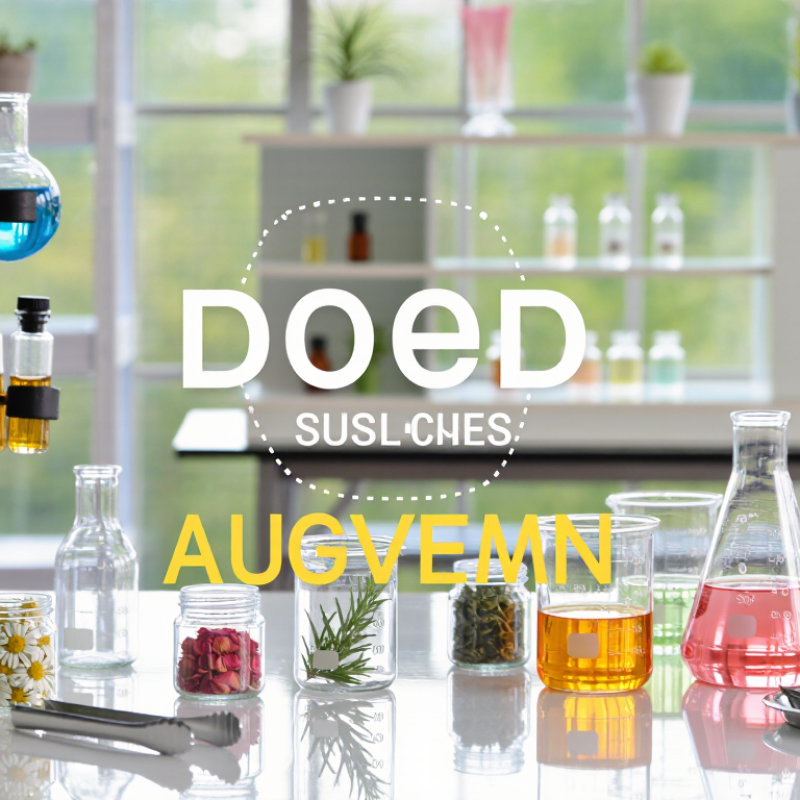
Top 10 Cosmetic Grade Botanical Extract Suppliers for Buyers

Define Cosmetic-Grade Botanical Extracts Using ISO 16128 and ISO 22716

“Cosmetic-grade” is not, by itself, a universal quality grade defined by ISO. Buyers should treat it as a supplier claim that needs clear specifications and supporting records. ISO 16128 provides guidance for identifying natural and natural-origin cosmetic ingredients. Its framework includes calculations for natural-origin content, but it does not certify an extract’s safety or performance. Check how the supplier calculates the index, especially when extraction solvents or carriers are used. Those details can change the reported percentage. That distinction matters.

ISO 22716 describes good manufacturing practices for cosmetic products. Buyers can use its principles to assess how an extract is produced, controlled, stored, and shipped. Ask for the botanical name and plant part, extraction method, solvent and carrier details, batch traceability, and a certificate of analysis. Specifications may also cover microbial limits, heavy metals, and residual solvents, where relevant to the ingredient and intended use. Look for documented change control and clear storage conditions, such as protection from heat and light. Paperwork helps, but a document alone does not prove consistent practice. Review the supplier’s records and confirm that test methods and acceptance limits are stated plainly. A pale powder may look uniform, yet its composition can vary between harvests. The specification should account for that variability.

Cosmetic-Grade Botanical Extracts: What ISO 16128 and ISO 22716 Address

A buyer’s reference for distinguishing ingredient natural-origin criteria from cosmetic GMP guidance.

How to read this: 1 indicates a standard’s primary subject; 0 means it is not the standard’s primary subject, not that a supplier failed an audit. ISO 16128-1 provides definitions, and ISO 16128-2 sets out criteria for calculating natural and natural-origin indices. ISO 22716 provides GMP guidelines for cosmetic production, quality control, storage, and shipment. Neither chart values nor the standards alone establish that a particular extract or supplier is “cosmetic grade.”

Shortlist 10 Suppliers by Botanical Range, Traceability, and Extraction Expertise

For cosmetic-grade botanical extracts, shortlist suppliers by evidence, not catalogue size. Grand View Research valued the global botanical extracts market at USD 6.4 billion in 2022 and projected 7.9% annual growth through 2030. That expansion makes reliable sourcing more important, but market growth alone says nothing about an individual supplier’s quality.

Compare ten candidates across botanical range, traceability, and extraction expertise. Check whether each can identify species, plant part, growing region, and harvest season. Ask for batch-specific certificates of analysis, contaminant and microbial testing, and stability data. Request a clear account of extraction solvents, temperatures, and standardization methods. Ask for proof. Traceability should connect batch records to the source, not stop at a distributor’s paperwork. OECD-FAO guidance on responsible agricultural supply chains recommends mapping risks and following them through supply-chain relationships.

Score answers against documents, then verify a few batches before approval. Numbers can mislead. A broad catalogue may hide gaps in origin records, while a narrow specialist may offer stronger process control. Supplier claims also deserve scrutiny: paperwork can be incomplete, and a polished sample may not reflect routine production. Keep that uncertainty visible in the shortlist.

Compare Supplier COAs for Identity, Marker Compounds, and Batch Consistency

When comparing cosmetic-grade botanical extract suppliers, a polished specification sheet is not enough. Ask for a lot-specific certificate of analysis (COA), tied to the exact batch offered. The botanical name, plant part, extraction solvent, and extract ratio should match the product description. Small mismatches matter. A root extract and a leaf extract can share a common name yet deliver different chemistry.

Review identity testing and method details, not just a pass-or-fail box. Chromatographic fingerprints, microscopy, or DNA-based methods may suit different materials; DNA tests can be less useful after heavy processing. Marker compounds should include target ranges and measured results, with units and test methods stated. A marker is not the whole extract. Check moisture, residual solvents, microbial limits, and relevant contaminants against your written specification. Ask who performed each test and whether the laboratory is independent.

Batch consistency takes more than one COA. Compare several recent lots for marker levels, color, odor, and key physical properties. For example, note whether a pale powder shifts toward brown or clumps after storage. Request stability data and retain samples when supply continuity matters. One awkward detail: suppliers may not test every parameter on every lot. Get that boundary in writing, along with change-notification practices. A cheap quote can hide testing gaps. So can a tidy PDF.

Check Microbial Quality Against ISO 17516 Limits: 10² or 10³ CFU/g

For buyers comparing botanical extract suppliers, a microbial count needs context. ISO 17516 generally sets a limit of 10² CFU/g for Category 1 cosmetics, including products intended for children under three, the eye area, or mucous membranes. For other cosmetics, the general limit is 10³ CFU/g. These are finished-product criteria, not automatic release limits for every raw extract. Buyers should set suitable incoming-material specifications with their safety and quality teams.

Ask suppliers for recent results, the test method, sampling date, and batch identification. A certificate without traceable batch details is hard to assess. Botanical materials can vary with plant part, harvest, extraction solvent, and drying conditions. Moisture matters. So does handling after extraction.

Review whether the reported count is total aerobic microorganisms, yeast and mould, or another measure; one number cannot describe every risk. Where relevant, verify specified microorganisms separately, rather than assuming a low total count proves their absence. Compare supplier data with your intended formula and process, and consider testing representative batches independently. Paperwork helps, but it is not a substitute for a practical risk review. We sometimes focus too much on a single threshold. That deserves a second look.

Evaluate Safety Documents, Regulatory Support, MOQ, and Lead Times

Choosing a cosmetic-grade botanical extract supplier takes more than comparing prices. Request a current specification, certificate of analysis, safety data sheet, and microbiological results for the specific material and lot. Confirm the botanical name, plant part, extraction solvent, carrier, and standardization match your formula. Small mismatches matter.

Regulatory support should be concrete. Ask for ingredient nomenclature, allergen information, origin details, and available contaminant or residual-solvent data. Check that documents are dated, consistent, and relevant to your intended sales markets. A supplier can provide useful records, but cannot certify that your finished product meets every local requirement. Buyers should review the evidence rather than assume a polished document settles the question.

MOQ and lead times affect both budgets and launch schedules. Clarify whether quoted stock is ready to ship or depends on a new production run. Botanical materials may face seasonal supply changes, extra testing, or packaging delays. Delays happen. Request a written timeline covering sample approval, production, release testing, and dispatch. Also ask whether a smaller trial order is possible; it may cost more per kilogram, but can limit waste when color, odor, or solubility differs from expectations. One uncomfortable detail: supplier estimates are not guarantees, so leave room in the schedule.

FAQS

Does “cosmetic-grade” have a universal ISO definition?

No. Treat it as a supplier claim, then ask for clear specifications and supporting records.

What does ISO 16128 tell buyers about botanical extracts?

It guides calculations for natural and natural-origin content. It does not certify safety or performance. Check how solvents and carriers affect the reported percentage.

How can ISO 22716 help when reviewing a supplier?

Its good manufacturing practice principles can help assess production, storage, control, and shipping. Paperwork helps, but it is not proof by itself.

What details should an extract specification include?

Look for the botanical name, plant part, extraction method, solvent, carrier, and storage conditions. Batch traceability matters, too.

What should I check on a lot-specific certificate of analysis?

Confirm it matches the offered batch. Review identity results, marker levels, units, test methods, and acceptance limits. A pass-or-fail box may not tell you much.

Are marker compounds enough to confirm an extract’s identity?

No. A marker is not the whole extract. Chromatographic fingerprints, microscopy, or DNA-based methods may help, depending on the material and processing.

How can I compare consistency across batches?

Compare several recent lots for marker levels, color, odor, and physical properties. A pale powder that turns brown or clumps deserves a closer look.

What if suppliers do not test every parameter for each lot?

Ask which tests are skipped and get the limits in writing. Request stability data and change notifications. Still, records can leave gaps. That deserves a second look.

Conclusion

Choosing a Cosmetic Grade Botanical Extract supplier requires more than comparing prices or plant varieties. Buyers should understand how ISO 16128 informs natural-origin calculations and how ISO 22716 relates to good manufacturing practices for cosmetics. A practical shortlist should consider botanical range, traceability from raw material to finished extract, and expertise in extraction methods. These factors help assess whether a supplier can support consistent formulations and provide clear information about sourcing and production.

Before purchasing, review each supplier’s certificates of analysis for botanical identity, relevant marker compounds, and batch-to-batch consistency. Check microbial results against the applicable ISO 17516 limits, which may be 10² or 10³ CFU/g depending on product category, and request suitable safety and regulatory documents. Finally, compare technical support, minimum order quantities, and lead times to determine whether the supplier can meet both quality expectations and project needs.

Clara

Clara

Clara is a dedicated marketing professional with a wealth of expertise in the industry. With an in-depth understanding of the company’s offerings, she plays a pivotal role in shaping the narrative around our core services. Clara is responsible for crafting insightful blog posts on our company......