
Knowledge & Technical Hub

Industry Insights & Botanical Science

Discover technical research, ingredient innovations, and global health market trends from ISN Biotech Co., Ltd.

0%

In 2026, interest in Nutraceutical Extract Ingredients reflects a practical question: what is inside the bottle, and how dependable is it? Curcumin, green tea, ashwagandha, elderberry, milk thistle, and berberine often attract attention. Their popularity, however, does not make them interchangeable or suitable for everyone. “Top” depends on the intended use, available research, extract quality, and consumer needs. It is not a fixed league table.

A useful overview should look beyond trend lists. It should explain which plant part is used, how an extract is standardized, and whether its composition is clearly stated. Curcumin products, for example, may differ in concentration and formulation. Green tea extracts can vary in catechin content, while botanical sourcing and processing also affect consistency. Labels matter. So do cautions, possible interactions, and the quality of the evidence behind each ingredient. Traditional use can provide context, but it cannot replace well-designed research or individualized professional advice.

This guide will compare notable ingredients by their common uses, research status, and quality considerations, without treating supplements as cures. It will also ask what “2026’s top” really means: consumer visibility, scientific support, or reliable manufacturing? Those measures do not always align. The category is not perfectly tidy, and evidence can be uneven. That is worth saying plainly. A thoughtful choice starts with transparent labeling, realistic expectations, and advice from a qualified health professional when needed.
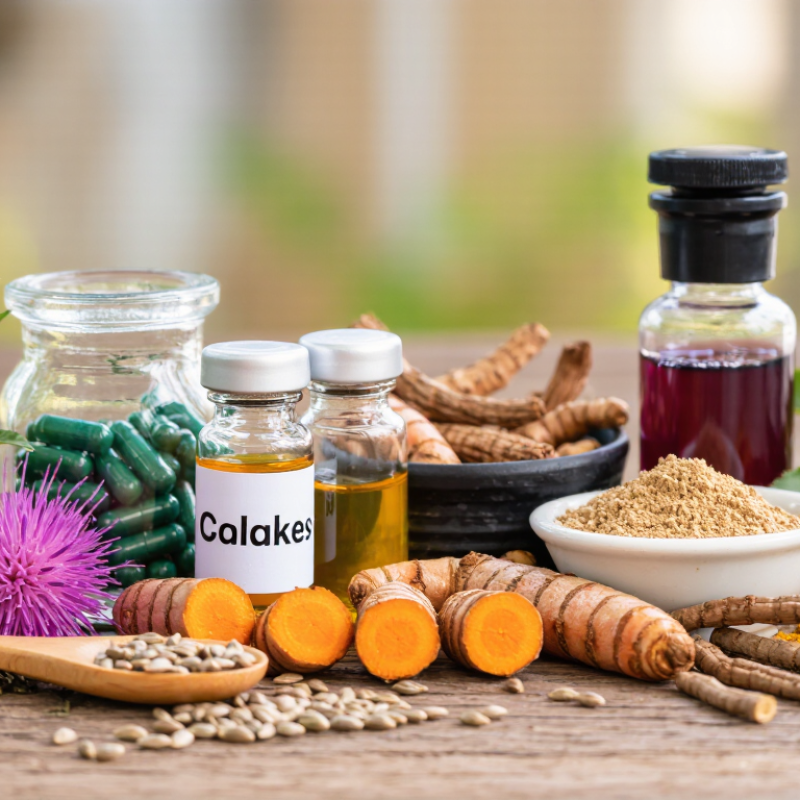
What Are the Top Nutraceutical Extract Ingredients in 2026?

2023 U.S. Herbal Supplement Sales Reached $12.6B, HerbalGram Reports

U.S. herbal supplement sales reached $12.6 billion in 2023, up 4.4% from 2022, according to the American Botanical Council’s HerbalGram market report. This figure reflects retail demand, not proof of clinical effectiveness. That distinction matters when assessing nutraceutical extracts for 2026. A popular ingredient still needs a defined extract, appropriate dosing, and credible human research.

The Council for Responsible Nutrition’s 2024 Consumer Survey found that 75% of U.S. adults use dietary supplements. That broad interest helps explain attention to botanicals such as turmeric, ashwagandha, elderberry, and cranberry, but it does not establish a sales ranking. Extract quality depends on plant part, processing, marker compounds, and testing. A label can look precise. The supply chain may be less so.

Tips: Check the botanical name, plant part, and extract ratio. Look for independent identity and contaminant testing. Treat sales growth as a market signal, not a health claim; the distinction is easy to overlook.

U.S. Herbal Supplement Sales in 2023

Total retail sales reached $12.6 billion, up 4.8% from 2022.

The figure represents total U.S. herbal supplement sales, not sales for individual ingredients. Source: HerbalGram’s 2023 U.S. herbal supplement sales report.

CRN’s 2024 Survey Found 75% of U.S. Adults Use Dietary Supplements

CRN’s 2024 Consumer Survey found that 75% of U.S. adults use dietary supplements, while 55% are regular users. That reach matters for 2026 ingredient choices: shoppers increasingly expect clear purpose, familiar formats, and credible evidence. Botanical extracts such as turmeric, green tea, ginger, and elderberry may attract attention, but popularity alone does not prove effectiveness. The survey describes consumer use, not clinical benefit. That distinction is easy to miss.

For product research, compare extract standardization, serving size, and the human studies behind each claimed benefit. The NIH Office of Dietary Supplements provides evidence-based fact sheets on many ingredients, including safety considerations and gaps in research. Check whether a study examined the same extract and dose; results may not transfer between preparations. Even a well-known plant can be poorly understood. That deserves a pause.

Tips: Keep a simple ingredient record: extract name, amount per serving, and study reference. Ask a qualified health professional about interactions, especially when taking medication. A label can look reassuring, yet still leave important details unclear.

Key 2026 Extracts: Curcumin, Ashwagandha, Green Tea, and Ginseng

Curcumin, the yellow pigment in turmeric, is popular in supplements for its potential role in supporting a healthy inflammatory response. Its absorption is naturally limited, so extract composition and delivery form matter. Green tea extract concentrates catechins, including EGCG, rather than providing the full experience of a brewed cup. Concentrated extracts are not automatically better; high doses may cause problems, and green tea extracts have been linked to rare liver injury.

Ashwagandha extracts are commonly used in products aimed at stress and sleep support. Research is promising but still developing, and results may depend on the preparation and study design. It can also interact with medicines and may not suit everyone, including some people with thyroid conditions. Details matter. Ginseng is another varied category: Asian and American ginseng are different plants, and processing can change their chemical profiles. Studies examine energy, fatigue, and cognitive performance, but outcomes are not uniform.

For all four ingredients, a clear label should identify the plant part, extract amount, and any standardization measure. A percentage alone can sound precise while leaving important details unclear. That is less tidy. Third-party testing can help verify identity and contaminants, though it does not prove an extract will work for every person. Choosing a supplement deserves the same care as choosing the claim on its label.

What Are the Top Nutraceutical Extract Ingredients in 2026? - Key 2026 Extracts: Curcumin, Ashwagandha, Green Tea, and Ginseng

A practical comparison of four widely used botanical extracts. Extract composition and research findings can vary by plant material, preparation, and study design.

Ingredient Botanical source and part Key constituents Common extract profile Research areas Evidence considerations Safety considerations
Curcumin Curcuma longa (turmeric); rhizome Curcuminoids, including curcumin Some extracts are standardized to a stated curcuminoid percentage; concentration and formulation vary. Curcumin has low oral bioavailability, and delivery methods differ. Joint discomfort, inflammatory processes, and other areas of human research Studies are mixed, and results from one formulation may not apply to another. It is not established as a treatment for disease. May cause gastrointestinal symptoms. Concentrated products may interact with medicines; rare liver injury has been reported. Seek medical advice if taking medication or if you have a liver or gallbladder condition.
Ashwagandha Withania somnifera; commonly root, sometimes root and leaf Withanolides and other plant compounds Extracts differ by plant part, extraction method, and withanolide content; check the product specification rather than assuming equivalence. Stress and sleep outcomes, among other areas under study Some short-term trials report potential benefits for stress or sleep, but study quality and extract preparations vary. Long-term safety is less well established. May cause drowsiness or gastrointestinal effects. Avoid during pregnancy. Possible medicine interactions and rare liver injury have been reported; people with thyroid or autoimmune conditions should consult a clinician.
Green Tea Extract Camellia sinensis; leaves Tea catechins, including EGCG; caffeine content varies Products may specify catechin or EGCG content and may be decaffeinated. Extracts are more concentrated than brewed tea and are not interchangeable with it. Cardiometabolic markers, weight-related outcomes, and antioxidant activity Findings depend on the outcome studied and product composition. Evidence for concentrated extracts should not be assumed to match evidence for drinking tea. May contain caffeine. Concentrated extracts have been linked to rare liver injury; taking them with food and following label directions can reduce risk. Consult a clinician if using medicines or managing liver disease.
Ginseng Panax ginseng (Asian or Korean ginseng); root Ginsenosides Extracts vary in ginsenoside profile and concentration; processing methods, including steaming, can alter the constituent profile. Fatigue, cognitive function, and blood-glucose-related outcomes Research results vary across preparations and health outcomes. Evidence for one Panax species should not automatically be applied to other plants called “ginseng.” Insomnia is a common concern. Ginseng may affect blood glucose and may interact with medicines, including some anticoagulants; discuss use with a healthcare professional.

Note: This comparison is for general information, not medical advice. Standardization percentages, serving amounts, and safety profiles are product-specific; consult a qualified healthcare professional before using an extract, especially during pregnancy, with a medical condition, or alongside medication.

Compare Ingredients by Active Compounds, Clinical Evidence, and Uses

A useful comparison starts with the active compounds, not the plant name on the label. Turmeric extracts are usually assessed by curcuminoid content; green tea extracts by catechins, including EGCG; and ashwagandha extracts by withanolides. Cranberry products may report proanthocyanidins, or PACs. Markers matter. They help buyers compare formulations, but they do not prove that two extracts work equally well.

Clinical evidence differs by ingredient and intended use. The U.S. National Center for Complementary and Integrative Health says some studies suggest ashwagandha may help with stress and sleep, while longer-term safety remains unclear. Cranberry products may reduce recurrent urinary tract infections for some people, but they do not treat an active infection. Curcumin studies are mixed, and absorption varies among formulations. One limitation remains: trial formulas do not always match retail extracts exactly.

Demand also shapes ingredient choices. The Council for Responsible Nutrition’s 2024 Consumer Survey reported that 75% of U.S. adults use dietary supplements. That figure describes use, not effectiveness. In practice, compare the stated active-compound amount, the specific health outcome studied, and the length and size of human trials. A high marker percentage can look impressive. It is not a substitute for relevant clinical evidence or careful safety review.

Assess Extract Quality Through Standardization, Safety, and Label Accuracy

What Are the Top Nutraceutical Extract Ingredients in 2026?

Assess Extract Quality Through Standardization, Safety, and Label Accuracy

Botanical extracts such as turmeric, green tea, and ashwagandha remain prominent in nutraceutical discussions. A popular ingredient is not automatically a high-quality one. Check whether the label names the plant species, plant part, extract amount, and standardized marker compounds. These details help distinguish a measured extract from a vague powder listing. Still, standardization does not prove that an ingredient works for every person.

Safety deserves equal attention. Reliable product information should identify relevant testing for contaminants, including heavy metals, pesticides, microbes, or residual solvents. Review serving size, cautions, and possible interactions, especially when taking medication or managing a health condition. Ask a qualified health professional when unsure. Numbers need context. A certificate can be useful, but its test methods and batch details matter; a neat percentage alone tells only part of the story.

Tips: Compare the ingredient panel with the specification sheet. Check that amounts refer to each serving, not the whole container. Look for clear testing and traceable batch information. Small details matter. If label wording feels unclear, pause and verify it rather than guessing.

FAQS

How much did U.S. herbal supplement sales reach in 2023?

Sales reached $12.6 billion, up 4.4% from 2022. That reflects retail demand, not proof of health benefits.

Does a popular botanical have proven effects?

Not necessarily. Popularity shows market interest, while effectiveness depends on the extract, dose, and credible human research.

What details should I check on an extract label?

Look for the botanical name, plant part, extract amount, and standardization details. A percentage alone may leave gaps.

Why does curcumin extract composition matter?

Curcumin is naturally difficult for the body to absorb. Its formulation can matter, but popularity does not guarantee results.

Is green tea extract the same as brewed tea?

No. It concentrates catechins such as EGCG. High doses may cause problems, and rare liver injury has been linked to these extracts.

What should I know about ashwagandha?

It is often used in products aimed at stress or sleep support. Research is still developing, and it may interact with medicines or suit some people poorly.

Are all ginseng extracts alike?

No. Asian and American ginseng are different plants, and processing can change their chemical profiles. Study results vary.

Does third-party testing prove a supplement works?

No. Testing can help verify identity and check for contaminants, but it cannot promise benefits for every person. Details matter.

Conclusion

Nutraceutical Extract Ingredients are drawing growing attention as more consumers include dietary supplements in their routines. U.S. herbal supplement sales reached $12.6 billion in 2023, while a 2024 survey found that three-quarters of American adults use dietary supplements. These figures highlight the importance of understanding what popular extracts contain and how their quality can be assessed.

Key ingredients to compare in 2026 include curcumin, ashwagandha, green tea, and ginseng. Their potential uses and evidence differ, so comparisons should consider active compounds, the strength of clinical research, and the intended purpose of each extract. Quality also matters: look for clear standardization information, appropriate safety details, and labels that accurately describe the ingredients. A careful, evidence-informed approach can help readers evaluate extracts without assuming that popularity alone guarantees effectiveness or suitability.

Lucas

Lucas

Lucas is a dedicated marketing professional with a strong expertise in our company's products and services. With a keen understanding of market trends and consumer behavior, he plays a crucial role in shaping our marketing strategies. Lucas is responsible for frequently updating our company blog,......