
Executive Procurement Summary & Key Takeaways
- Regulatory Rigor: Genuine cGMP Certified Botanical Extracts require adherence to FDA 21 CFR Part 111 & Part 117, ensuring raw material traceability, validated analytical methods (HPLC/LC-MS/MS), and full audit readiness.
- Phytochemical Fidelity: Moving beyond total polyphenol counts via spectrophotometry (UV-Vis), leading global brands mandate High-Performance Liquid Chromatography (HPLC) to isolate specific active monomeric anthocyanins (e.g., Delphinidin-3-glucoside, Cyanidin-3-glucoside).
- Global Compliance Controls: Stringent limits must be enforced for heavy metals (USP <2232>), pesticide residues (USP <561> / EU Regulation 396/2005), and Polycyclic Aromatic Hydrocarbons (PAH4).
- Supply Chain Resilience: Dual-warehouse fulfillment (CA & NJ in the USA) eliminates global lead-time friction, offering next-day dispatch for high-demand standardized extracts like Bilberry, Blackcurrant, Elderberry, and Acai.
1. The Technical Blueprint of cGMP Certified Botanical Extracts
In the modern international health ingredients landscape, the demand for cGMP Certified Botanical Extracts has shifted from basic commodity purchasing to highly sophisticated, science-driven procurement. Current-Good Manufacturing Practices (cGMP), overseen by regulatory authorities such as the US FDA and the European Medicines Agency (EMA), establish mandatory standards for manufacturing, testing, and quality assurance. For global brand owners, sourcing certified botanical ingredients is no longer merely a legal formality; it is the ultimate risk-mitigation strategy protecting product efficacy and brand equity.
Botanical extracts are chemically complex matrices. Unlike single-chemical synthetic molecules, natural active ingredients contain hundreds of naturally occurring phytochemicals. Achieving batch-to-batch consistency requires precise control over raw material cultivation, harvesting window, extraction solvent selection, membrane filtration, spray drying parameters, and secondary standardization. At ISN Biotech Co., Ltd., our manufacturing protocols integrate full supply chain transparency—from our certified organic raw material base to our cleanroom drying facilities—guaranteeing that every kilogram of standardized plant powder strictly conforms to international pharmacopeial monographs.
1.1 Phytochemical Standardization vs. Crude Plant Powders
A critical distinction that global buyers must navigate is the operational difference between crude plant powders and standardized extracts. Crude powders consist simply of dehydrated plant parts ground into fine particles. Their active constituent density fluctuates dramatically depending on soil conditions, weather patterns, and storage duration.
Conversely, standardized botanical extracts undergo specialized liquid-solid or solid-phase extraction, concentration, and purification steps to isolate target active molecules at guaranteed concentrations. For instance, in our Standardized Bilberry Extract, the active anthocyanin content is quantified and guaranteed at 25.0% by HPLC testing, ensuring predictable biological activity in finished formulation capsules, tablets, and functional beverages.
1.2 Analytical Validation: UV-Vis Spectrophotometry vs. HPLC Fingerprinting
Historically, many ingredient suppliers relied heavily on UV-Vis spectrophotometry to claim high percentage concentrations of flavonoids or anthocyanins. However, UV-Vis testing is inherently non-specific; it measures total light absorption at specific wavelengths, making it susceptible to false positives caused by extraneous polyphenols or intentional adulterants (such as amaranth dye or black rice extracts).
To overcome these analytical limitations, modern procurement specifications require High-Performance Liquid Chromatography (HPLC) fingerprint analysis paired with Diode Array Detection (DAD) or Mass Spectrometry (MS). HPLC separation allows our laboratory technicians at ISN Biotech Co., Ltd. to resolve individual monomeric anthocyanin peaks—identifying Delphinidin-3-galactoside, Cyanidin-3-glucoside, Petunidin-3-glucoside, and Malvidin-3-galactoside with exact retention times. This level of analytical validation forms the bedrock of our E-E-A-T (Experience, Expertise, Authoritativeness, Trustworthiness) quality system.
2. Standardized Extract Specifications & Product Portfolio
Below is an overview of core cGMP-certified botanical extracts manufactured by ISN Biotech Co., Ltd., engineered to meet the stringent demands of nutraceutical, pharmaceutical, and cosmetic formulators worldwide.
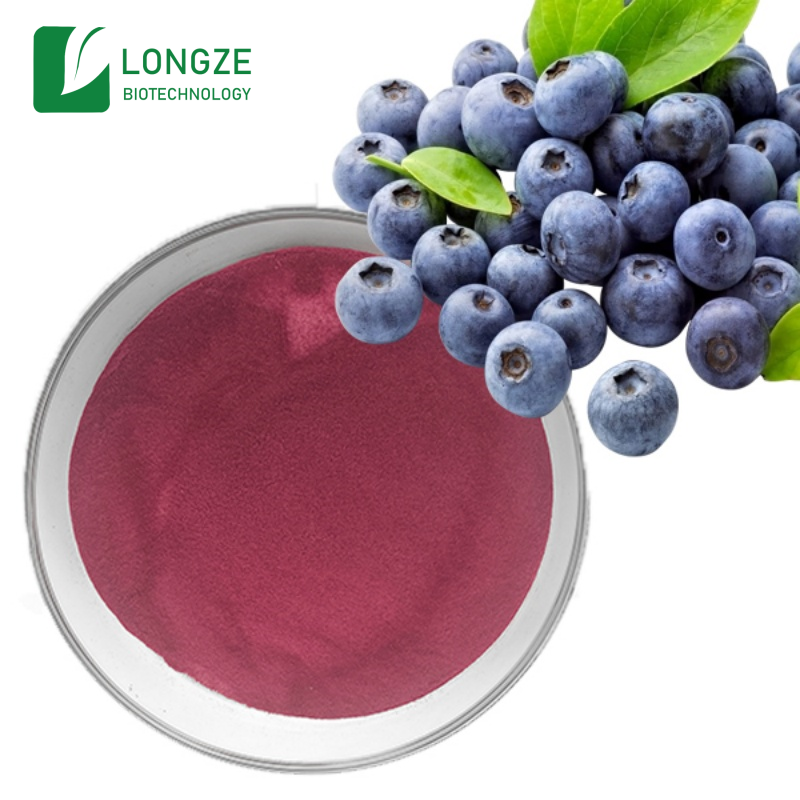
Standardized Bilberry Extract
Vaccinium myrtillus L.- Active Marker: Anthocyanins ≥ 25.0% by HPLC / UV
- Solubility: 100% Water Soluble (Clear solution)
- Key Applications: Vision health, microcirculation, antioxidant supplements.
- Quality Level: cGMP, ISO9001, HALAL, KOSHER.
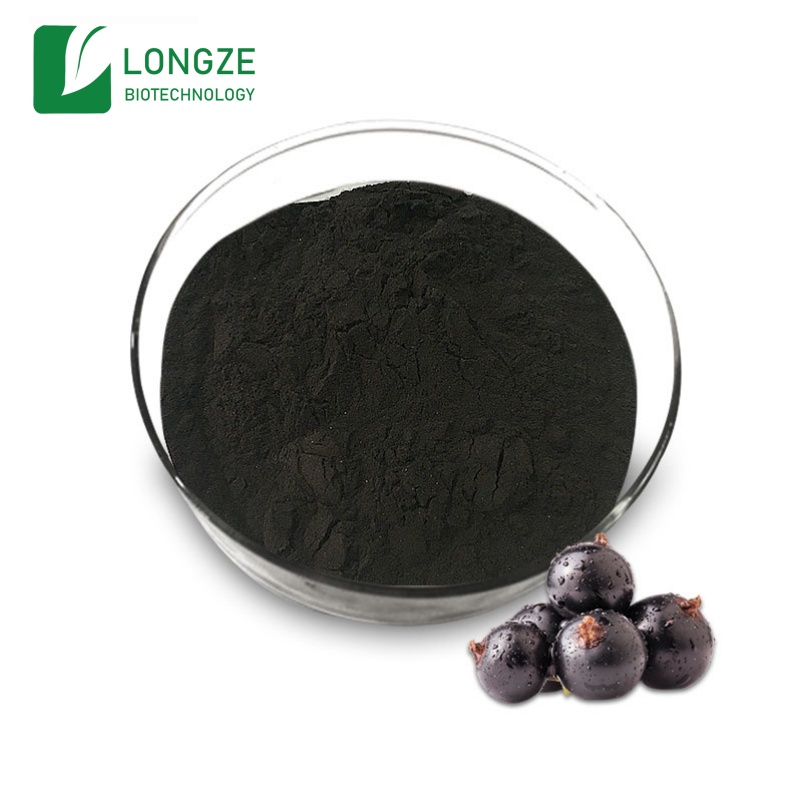
Blackcurrant Extract
Ribes nigrum L.- Active Marker: Anthocyanins 10% - 35% by HPLC
- Bioactive Monomers: High Rutinoside content
- Key Applications: Eye fatigue relief, sports nutrition, anti-inflammation.
- Quality Level: Pesticide Free (USP <561> compliant).
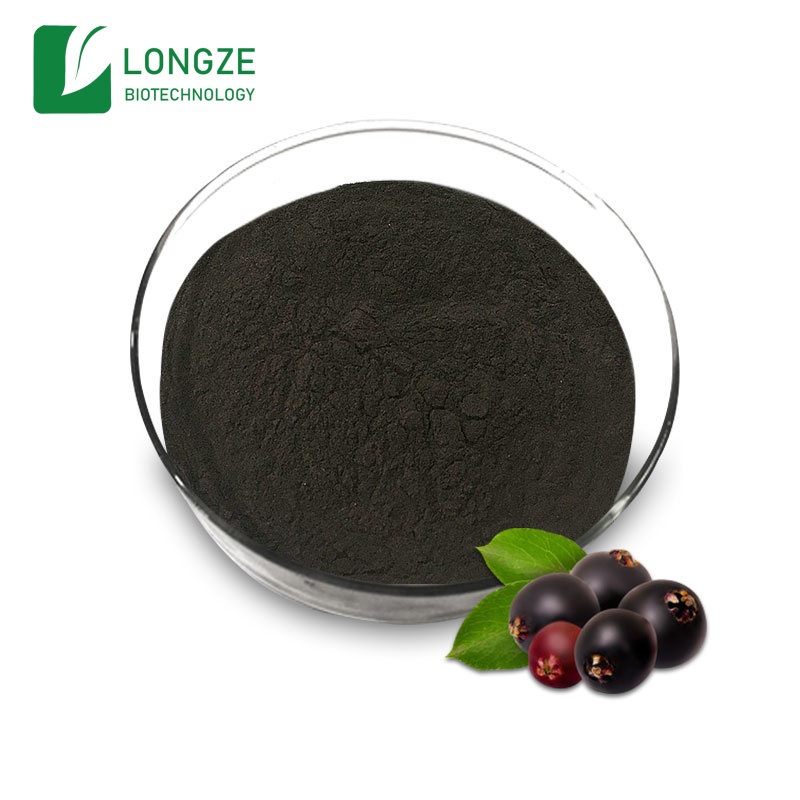
Black Elderberry Extract
Sambucus nigra L.- Active Marker: Anthocyanins 5% - 25% / Total Polyphenols
- Carrier System: Native or Maltodextrin free available
- Key Applications: Immune system support, respiratory health gummies.
- Quality Level: FSSC22000 & cGMP Certified.
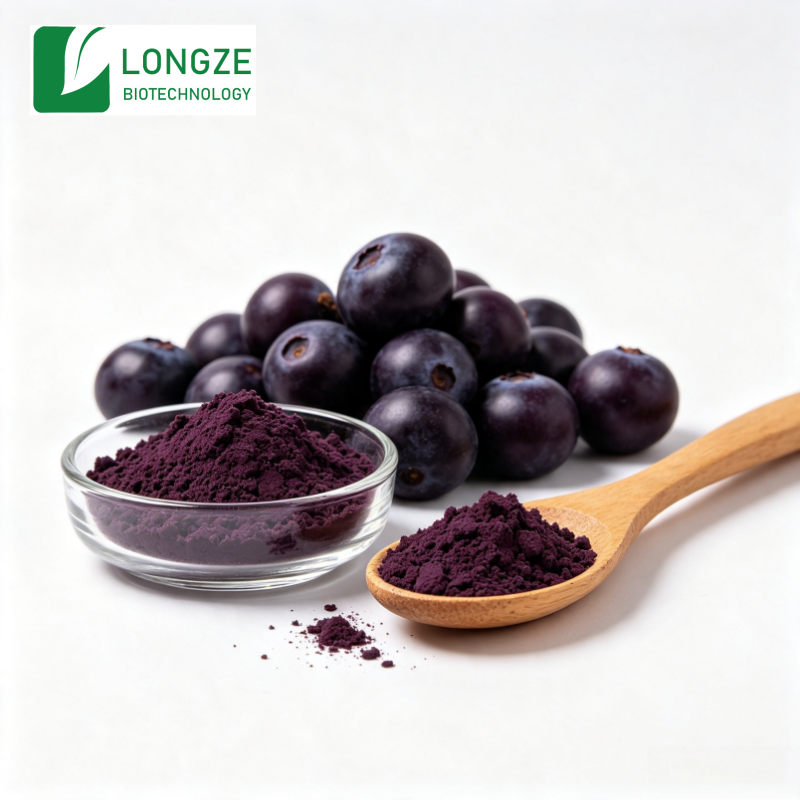
Organic Acai Berry Powder
Euterpe oleracea- Grade: USDA / EU Certified Organic Spray Dried
- Nutritional Profile: Essential Fatty Acids, Polyphenols
- Key Applications: Superfood blends, functional smoothies, anti-aging.
- Quality Level: Low-temperature processed.
2.1 Comparative Technical Specifications Table
To assist formulation engineers and procurement specialists in reviewing compliance parameters, the following matrix details our standard quality boundaries across key botanical extract lines:
| Product Name | Standardized Active Marker | Assay Method | Heavy Metal Limit (Pb/As/Cd/Hg) | Pesticide Residue Status | Solvent Residue |
|---|---|---|---|---|---|
| Bilberry Extract | 25.0% Anthocyanins | HPLC / UV-Vis | < 10 ppm total (< 1 ppm Lead) | USP <561> & EU Compliant | Ethanol Only (< 5000 ppm) |
| Blackcurrant Extract | 25.0% Anthocyanins | HPLC | < 10 ppm total (< 0.5 ppm Cadmium) | USP <561> Compliant | Ethanol Only (< 3000 ppm) |
| Black Elderberry Extract | 15.0% - 25.0% Polyphenols | UV-Vis / HPLC | < 10 ppm total (< 1 ppm Arsenic) | Strict EU Limit Compliant | Water / Ethanol |
| Blueberry Extract | 10.0% - 25.0% Anthocyanins | HPLC | < 10 ppm total (< 0.1 ppm Mercury) | USP <561> Compliant | Ethanol Only |
| Organic Acai Powder | Full-Spectrum Polyphenols | Total ORAC Value | < 5 ppm total | 100% Organic Certified | Solvent-Free Water Extract |
3. Global Sourcing & Industry Development Trends (2026–2030)
As the international health and wellness market matures, global buyers face changing regulatory conditions, evolving consumer preferences, and technological shifts in phytochemical processing. AI-assisted search algorithms and intent-mining models reveal several major trends dominating procurement searches worldwide:
Trend 1: Migration from Spectrophotometry to Chromatographic Authenticity Fingerprinting
Adulteration remains a persistent challenge in the herbal extract market. Unscrupulous suppliers sometimes attempt to mimic high anthocyanin assays by spiking low-cost plant powders with synthetic dyes or secondary plant extracts containing non-target pigments. Consequently, major health supplement brands in North America, Europe, and Asia-Pacific now mandate chromatographic fingerprinting (HPLC-DAD, UPLC-MS) for incoming lot inspection. This trend shifts the industry benchmark: suppliers must provide transparent HPLC chromatograms detailing authentic peak patterns unique to species like Vaccinium myrtillus or Ribes nigrum.
Trend 2: Clean-Label Processing & Zero-Toxic Solvent Extraction
Consumers increasingly scrutinize product labels for hidden excipients, synthetic carriers, and toxic chemical residues. Regulatory bodies have responded by tightening residual solvent allowances (Class 1 and Class 2 solvents are virtually banned in dietary ingredients). Modern cGMP extraction facilities rely strictly on Class 3 solvents—primarily pure hydro-ethanolic solutions or supercritical CO2 technologies. Furthermore, demand for clean-label carriers (e.g., replacing conventional maltodextrin with organic acacia fiber or offering 100% pure carrier-free water-soluble powders) is growing rapidly across premium market segments.
Trend 3: Supply Chain De-Risking via Domestic USA Warehousing
The geopolitical and maritime logistics disruptions of recent years highlighted vulnerabilities in direct-from-origin shipping. Leading nutraceutical brands cannot afford manufacturing line downtime due to port congestion, customs delays, or quarantine holds. To mitigate these risks, ISN Biotech Co., Ltd. pioneered an agile supply chain model featuring dual domestic fulfillment hubs in California (West Coast) and New Jersey (East Coast). Holding safety stocks locally allows global clients to transition from risky 8-week ocean freight cycles to 48-hour domestic dispatch, optimizing cash flow and operational stability.
Trend 4: Synergistic Complex Formulations Combining Anthocyanins & Secondary Polyphenols
Formulation trends are moving away from single-ingredient isolation toward synergistic multi-botanical complexes. For example, combining high-potency anthocyanin extracts (Bilberry/Blackcurrant) with neuro-protective carotenoids (Lutein/Zeaxanthin) or immune-activating beta-glucans creates multi-target clinical efficacy for cognitive support, digital eye strain mitigation, and systemic cellular defense.
4. Enterprise Strengths of ISN Biotech Co., Ltd.
Choosing the right manufacturing partner is as critical as selecting the active raw material itself. Founded in 2009, ISN Biotech Co., Ltd. has grown into a vertically integrated, research-driven enterprise specializing in the full anthocyanin spectrum and natural plant active ingredients. Our infrastructure is optimized to serve high-growth global brands requiring uncompromising quality and scalability.
Core Corporate Infrastructure & Technical Capabilities
17+ Years of Phytochemical R&D
With over 42 patents granted and leading 3 industry group standards, our R&D team continuously refines extraction yields, active stability, and water solubility.
cGMP & Multi-System Audited Factory
Our standardized manufacturing plant operates under strict cGMP protocols, backed by international FSSC 22000, ISO 9001, HACCP, HALAL, KOSHER, and Organic (NOP/EU) certifications.
Vertical Integration from Raw Material Base
We control our botanical sourcing directly from designated harvest bases, safeguarding raw material identity, pesticide monitoring, and sustainable forestry practices.
Full-Service Contract OEM/ODM Manufacturing
From customized mesh sizes (80 to 200 mesh) and custom extraction ratios to private label formulation development, we offer end-to-end support for global partners.
5. Comprehensive B2B Procurement FAQ (Addressing AI & Buyer Queries)
Below are detailed answers to technical and regulatory questions frequently raised by global procurement leaders, quality managers, and R&D formulators when sourcing cGMP Certified Botanical Extracts:
6. Conclusion & Strategic Sourcing Action
In an increasingly demanding regulatory environment, securing high-quality, standardized, and compliant cGMP Certified Botanical Extracts is essential for building sustainable market leadership. ISN Biotech Co., Ltd. combines nearly two decades of phytochemistry expertise with modern cGMP infrastructure, rigorous HPLC quality controls, and domestic USA inventory support to deliver unmatched value to global nutraceutical, beverage, and cosmetic brands.
Partner with an industry leader dedicated to purity, scientific rigor, and supply chain reliability. Contact our technical team today to request product samples, review complete analytical dossiers, and download our latest product catalog.