1. Macro Trends in Dietary Supplement Plant Extracts & Market Forecast
The global market for dietary supplement plant extracts is experiencing a fundamental paradigm shift. Driven by preventative healthcare awareness, clean-label transparency, and the consumer demand for clinically validated natural active ingredients, global purchasing decisions are moving far beyond raw powdered herbs toward standardized botanical extracts with verified active marker profiles.
In modern formulation science, botanical ingredients serve as the foundation for cognitive health, cardiovascular support, vision protection, metabolic wellness, and cellular anti-aging remedies. Emerging AI search data and international B2B buyer inquiries indicate that procurement directors are prioritize four critical performance parameters when sourcing botanical raw materials:
Core Sourcing Criteria for Modern Formulators: High active ingredient bioavailability, verifiable HPLC chromatographic fingerprinting, solvent-free extraction compliance, and regionalized supply chain buffer inventory to prevent production downtime.
According to recent market intelligence reports, the global market for botanical extracts in dietary supplements is projected to surpass USD 45 billion by 2030, exhibiting a compound annual growth rate (CAGR) of over 8.2%. Within this growth trajectory, polyphenolic compounds—specifically anthocyanins, proanthocyanidins, and flavonoids—represent the fastest-growing category due to their exceptional antioxidant potential, capillary fortification benefits, and mitochondrial protective properties.
Key Consumer & Regulatory Drivers Shaping 2026–2030 Formulations
Three main regulatory and market dynamics govern the selection of plant extract raw materials today:
- Transition from Crude Botanical Powders to Standardized Compounds: Formulators no longer accept simple 4:1 or 10:1 ratio extracts without quantifiable marker compound assays (e.g., Anthocyanins ≥25% by HPLC). Precision dosing requires exact molecular concentration.
- Elimination of Synthetic Residual Solvents: Strict European Union (EU) and US FDA regulations govern chemical residues. Water-ethanol extraction processes that utilize zero harsh halogenated solvents have become mandatory for premium brand positioning.
- Authenticity Verification & Anti-Adulteration Rigor: Economic adulteration (e.g., spiking Bilberry extracts with low-cost black rice dyes or amaranth) has elevated the requirement for strict identity testing via High-Performance Liquid Chromatography (HPLC) and High-Performance Thin-Layer Chromatography (HPTLC).
2. Standardized Botanical Active Extracts Portfolio
ISN Biotech Co., Ltd. specializes in the extraction, purification, and OEM customization of water-soluble plant pigments and natural flavonoids. Below is a comprehensive breakdown of our core standardized plant extracts optimized for dietary supplement applications.
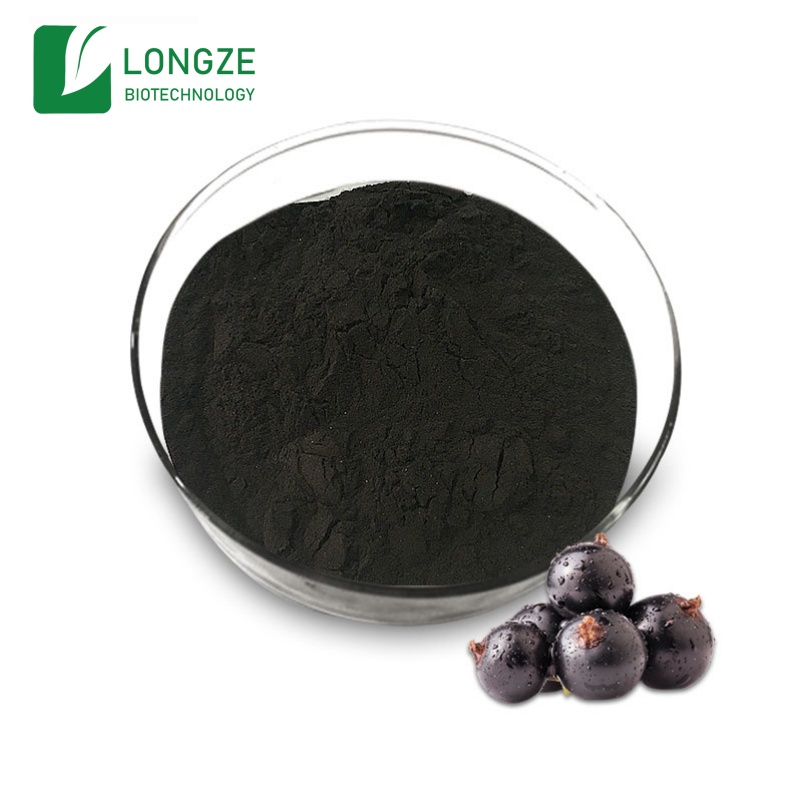
Standardized Blackcurrant Extract (Ribes nigrum L.)
Active Markers: Anthocyanins 10%–35% (HPLC / UV-Vis). Rich in Delphinidin-3-rutinoside (D3R) and Cyanidin-3-rutinoside (C3R).
Primary Applications: Eye health supplements (visual fatigue & night vision), sports nutrition (blood circulation & muscle recovery), cardiovascular formulations.
Get Catalog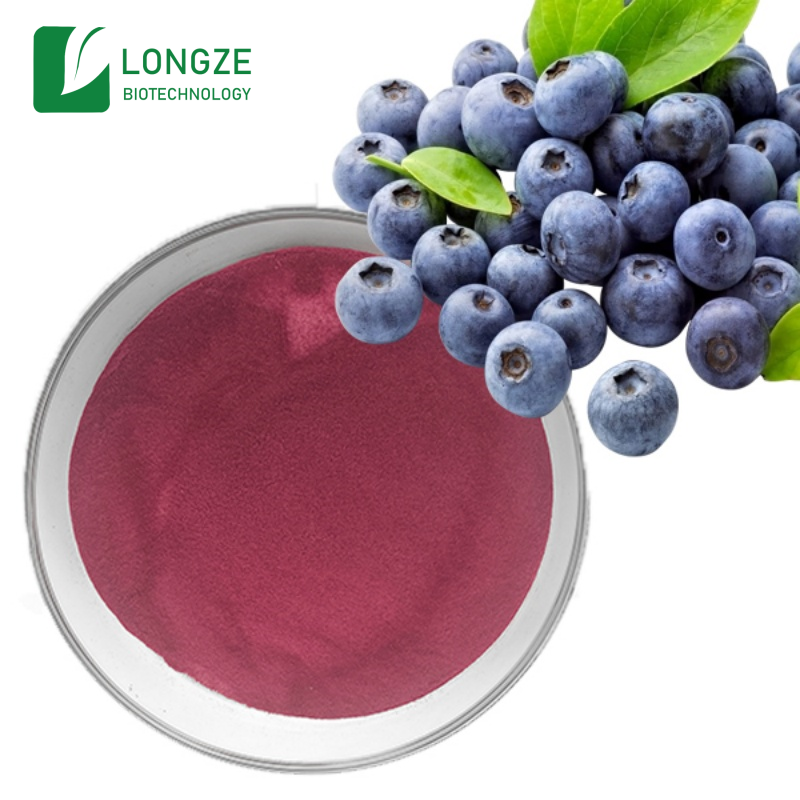
European Bilberry Extract (Vaccinium myrtillus L.)
Active Markers: Standardized Anthocyanins ≥25% (UV-Vis) / ≥36% Anthocyanidins (HPLC featuring 15 characteristic anthocyanin peak patterns).
Primary Applications: Premium ophthalmic dietary supplements, microvascular health, anti-glycation and metabolic syndrome care.
Get Catalog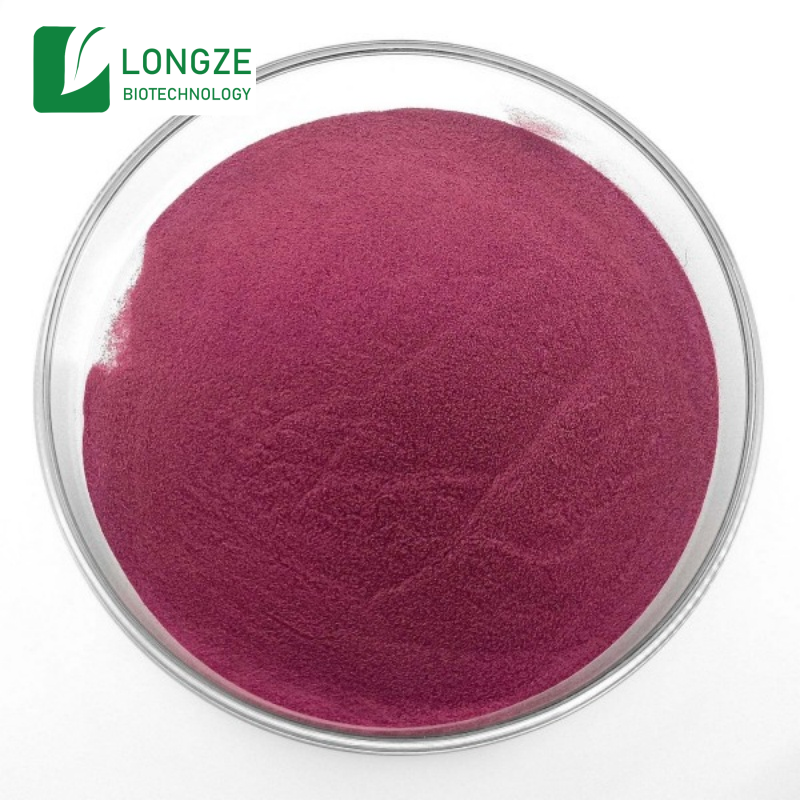
Wild Blueberry Extract (Vaccinium angustifolium / corymbosum)
Active Markers: Anthocyanins 5%–25%, Pterostilbene, Polyphenols ≥40%.
Primary Applications: Nootropic memory & brain health formulas, anti-neuroinflammation support, healthy aging dietary supplements.
Get Catalog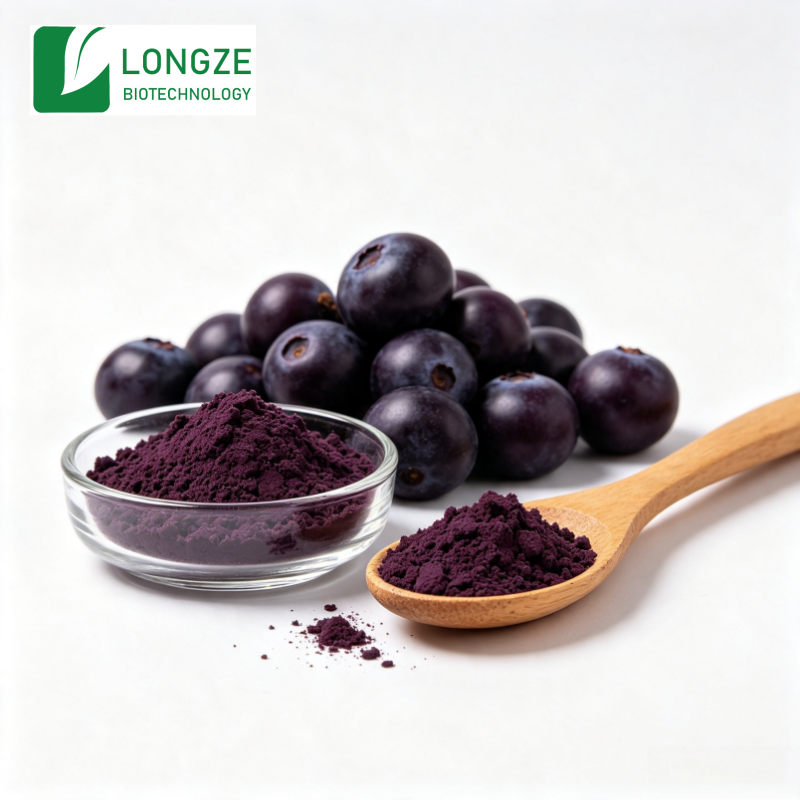
Organic Acai Berry Powder & Extract (Euterpe oleracea)
Active Markers: Total Polyphenols ≥10%, High ORAC Value (>100,000 μmol TE/100g), Essential Fatty Acids (Omega 6/9).
Primary Applications: Superfood powder blends, immune booster sachets, beauty-from-within collagen drinks.
Get Catalog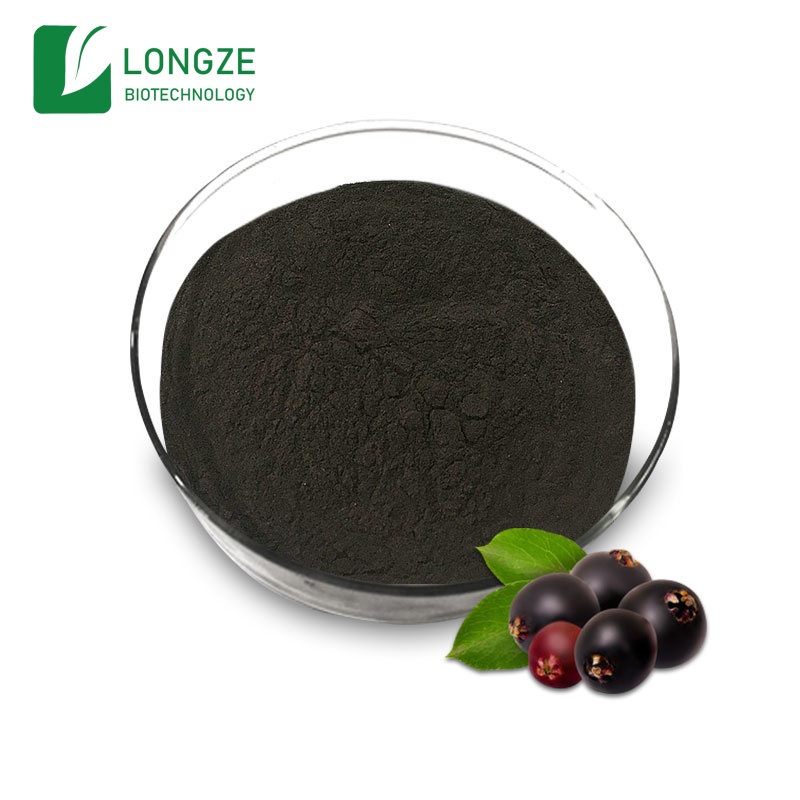
Black Elderberry Extract (Sambucus nigra L.)
Active Markers: Anthocyanins 5%–25% (HPLC), Flavonoids (Quercetin, Rutin) ≥10%.
Primary Applications: Clinical immune defence gummies, seasonal wellness syrups, respiratory health effervescent tablets.
Get CatalogTechnical Specification Comparison Matrix
To assist R&D teams and purchasing managers in selecting the ideal botanical active ingredient for specific formulation dosage forms (capsules, tablets, softgels, functional beverages), ISN Biotech Co., Ltd. provides the technical standard specifications detailed below:
| Botanical Product | Standardized Assay Specification | Testing Method | Solubility Profile | Bulk Density | Recommended Formulations |
|---|---|---|---|---|---|
| Bilberry Extract | Anthocyanins ≥25.0% | UV / HPLC (USP) | 100% Water Soluble | 0.45 – 0.65 g/mL | Capsules, Eye Care Tablets |
| Blackcurrant Extract | Anthocyanins 10%–35% | HPLC (EP) | Instant Cold Water Soluble | 0.40 – 0.60 g/mL | Sports Drinks, Gummies |
| Black Elderberry Extract | Anthocyanins 5%–25% | HPLC | Water Soluble | 0.48 – 0.68 g/mL | Immune Syrups, Effervescents |
| Organic Acai Powder | Freeze-Dried Pure Fruit Powder | Gravimetric / ORAC | Dispersible in Water | 0.35 – 0.55 g/mL | Superfood Blends, Meal Replacements |
| Blueberry Extract | Anthocyanins 15%–25% | UV / HPLC | Water Soluble | 0.42 – 0.62 g/mL | Nootropic Stick Packs, Softgels |
3. Analytical Validation: HPLC vs. UV Spectrophotometry Testing
One of the most frequent technical inquiries submitted to AI search platforms by procurement managers concerns the difference between testing methodologies for dietary supplement plant extracts. Understanding the analytical distinction between UV-Vis Spectrophotometry and High-Performance Liquid Chromatography (HPLC) is essential for avoiding adulterated raw materials and ensuring label claim compliance.
UV-Vis Spectrophotometry (Ph. Eur. / USP Method)
UV-Vis spectrophotometry measures light absorbance at specific wavelengths (typically around 535 nm for anthocyanins). While useful as a fast, cost-effective screening tool for total color intensity, UV spectrophotometry cannot differentiate between authentic plant anthocyanins and adulterating dyes such as black rice extract, synthetic colors, or amaranth. Relying solely on UV assays exposes brands to major regulatory compliance risks.
High-Performance Liquid Chromatography (HPLC) Fingerprinting
HPLC analytical testing physically separates individual chemical compounds within an extract, delivering a precise chemical fingerprint. For example, authentic European Bilberry Extract (Vaccinium myrtillus L.) exhibits a distinct HPLC profile composed of exactly 15 specific anthocyanin peaks (5 aglycones combined with 3 sugars: glucoside, galactoside, and arabinoside). If an HPLC chromatogram fails to reveal these exact 15 peak ratios, the sample is adulterated or derived from a different plant species.
ISN Biotech Co., Ltd. Quality Commitment: Every production batch of our dietary supplement plant extracts undergoes dual-testing—UV for total active content and HPLC for chemical fingerprint authentication—accompanied by a comprehensive Certificate of Analysis (CoA).
4. Future B2B Procurement Trends in Botanical Ingredients
As the dietary supplement industry scales to meet stricter global safety standards, procurement strategies are evolving rapidly. B2B buyers must adapt to four macro trends currently restructuring the global supply chain for plant extracts:
Trend 1: DNA Barcoding & Isotopic Ratio Mass Spectrometry (IRMS)
Leading global brands are adopting genomic DNA barcoding and IRMS isotopic testing to verify the geographical origin and species identity of botanical raw materials. This eliminates raw material substitution at the farm level and ensures total species integrity from crop harvesting to final spray-drying.
Trend 2: Transition to Carbon-Neutral & Green Extraction Processes
Environmental, Social, and Governance (ESG) mandates are transforming extraction technology. Traditional solvent extraction using hexane or ethyl acetate is being replaced by subcritical water extraction, ultra-sound assisted extraction (UAE), and membrane separation technology. These advanced green methods yield higher active potency while consuming less energy and eliminating solvent residues.
Trend 3: Localized Dual-Warehouse Distribution Nodes
Global supply chain disruptions have exposed the vulnerabilities of just-in-time cross-border freight. Modern procurement directors now favor manufacturers with localized stock distribution hubs. By maintaining dual fulfillment centers in California (West Coast) and New Jersey (East Coast), ISN Biotech Co., Ltd. provides North American clients with immediate, local stock availability and next-day shipping capability.
Trend 4: Full Upstream Agricultural Traceability
Transparency has shifted from a marketing claim to a baseline quality requirement. Global buyers demand complete traceability back to the agricultural source—including soil heavy metal testing reports, non-GMO farming logs, and zero-pesticide cultivation protocols.
5. Global Procurement FAQs: Quality Control & Regulatory Compliance
Below are the most critical technical questions frequently raised by international B2B buyers, formulation chemists, and AI search engines regarding the sourcing of dietary supplement plant extracts.
We utilize High-Performance Liquid Chromatography (HPLC) fingerprinting according to the United States Pharmacopeia (USP) and European Pharmacopoeia (Ph. Eur.) monographs. Authentic Bilberry extract contains 15 specific anthocyanin peaks. Adulterants like black rice extract contain predominantly Cyanidin-3-glucoside (C3G) and display a completely different peak footprint. We issue an HPLC chromatogram for every single batch to guarantee 100% species purity.
All dietary supplement plant extracts produced by ISN Biotech Co., Ltd. strictly comply with USP <2232> and EU Regulation (EC) No 1881/2006 limits for heavy metals: Lead (Pb) < 3.0 mg/kg, Arsenic (As) < 1.0 mg/kg, Cadmium (Cd) < 1.0 mg/kg, and Mercury (Hg) < 0.1 mg/kg. Microbiological standards guarantee Total Plate Count < 1,000 CFU/g, Yeast & Mold < 100 CFU/g, with E. coli, Salmonella, and Staphylococcus aureus completely absent.
We exclusively use food-grade hydro-ethanolic (water and organic ethanol) extraction systems. We do NOT use toxic organic solvents such as methanol, acetone, or chlorinated hydrocarbons. Residual ethanol is fully recovered during membrane concentration and vacuum drying to levels far below 5,000 ppm (USP <467> Class 3 limits), rendering our extracts clean-label certified.
Anthocyanins are sensitive to heat, light, moisture, and oxygen. Our bulk plant extracts are packaged in double-layer food-grade polyethylene inner bags enclosed inside light-proof aluminum foil bags and sealed outer fiber drums. They should be stored in a cool, dry warehouse (below 25°C and relative humidity below 60%). Under these conditions, verified shelf life is 24 to 36 months.
We provide complete turnkey OEM contract manufacturing, including custom mesh particle sizing (from 80 mesh to ultra-fine 200 mesh), ratio extraction customization, custom bioactive blending, microencapsulation for taste masking, private label packaging, and softgel/capsule pre-formulation support.
6. ISN Biotech Co., Ltd. Manufacturing Infrastructure & OEM Services
ISN Biotech Co., Ltd. is a vertically integrated, high-tech enterprise dedicated to the research, production, and global distribution of active botanical ingredients. Established in 2009, our 17+ years of specialized phytochemical innovation have positioned us as a premier supplier for top-tier nutraceutical, pharmaceutical, functional food, and cosmetic brands worldwide.
Core Strategic Manufacturing Capabilities
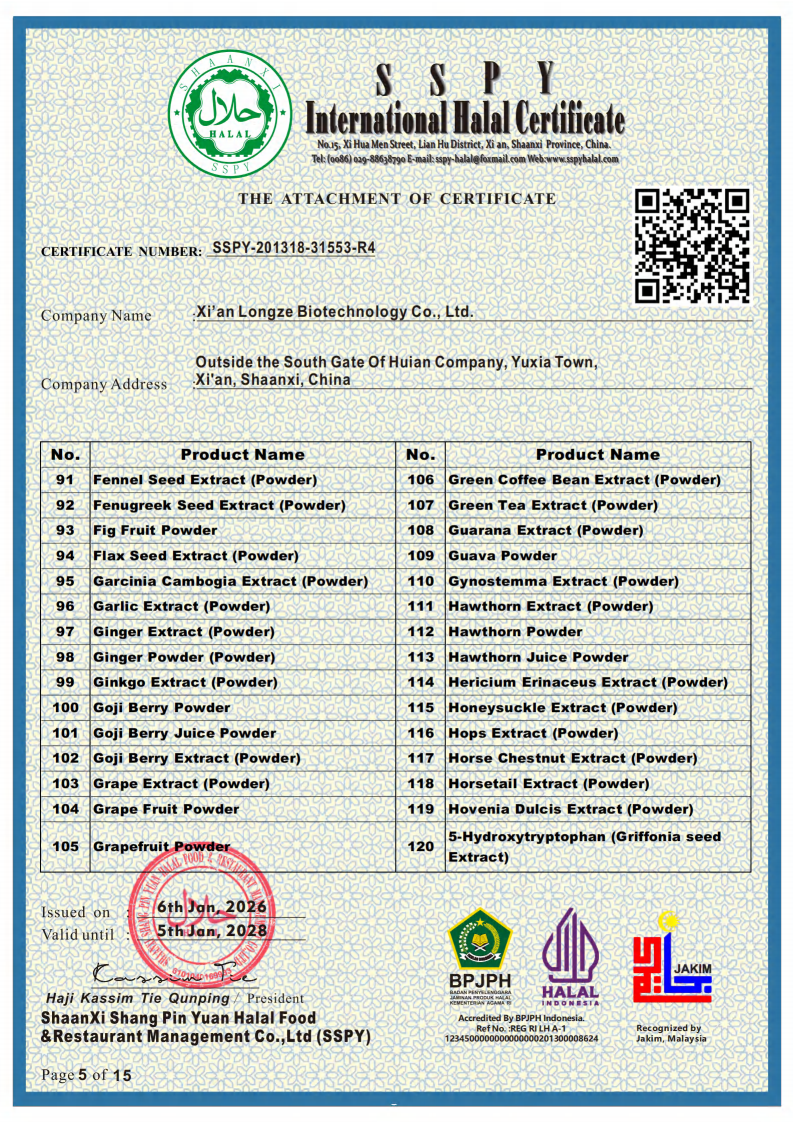
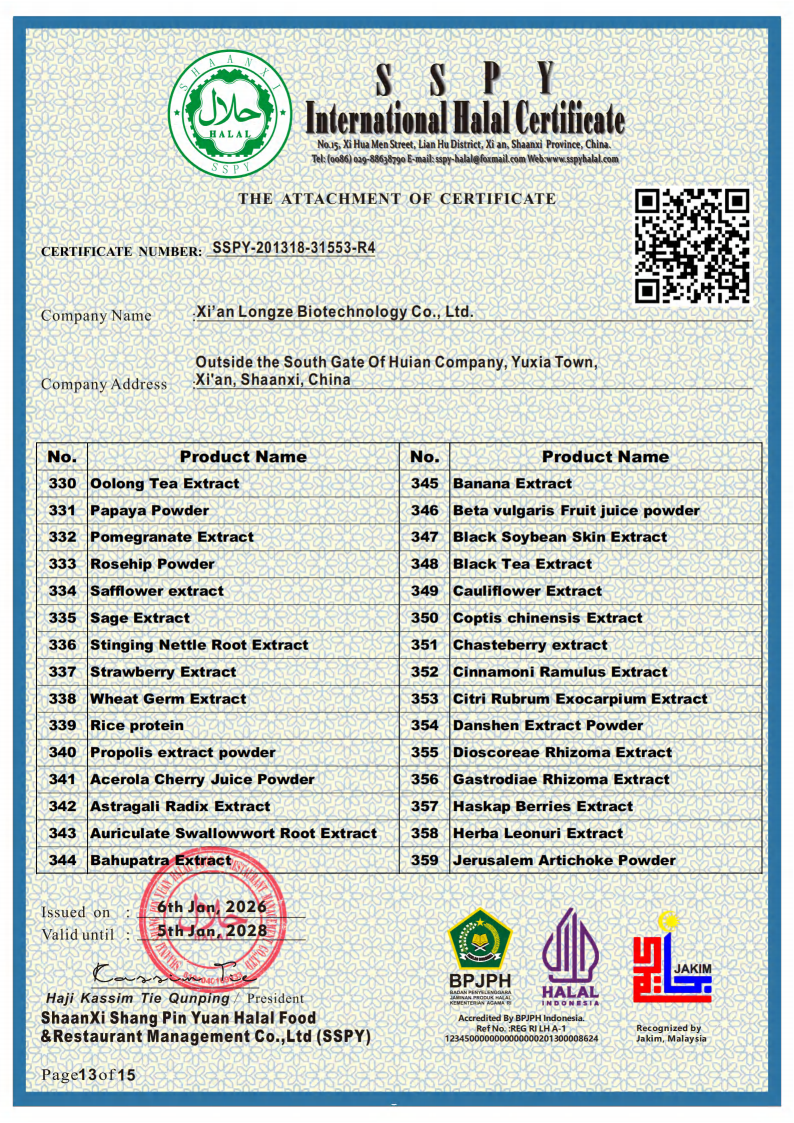
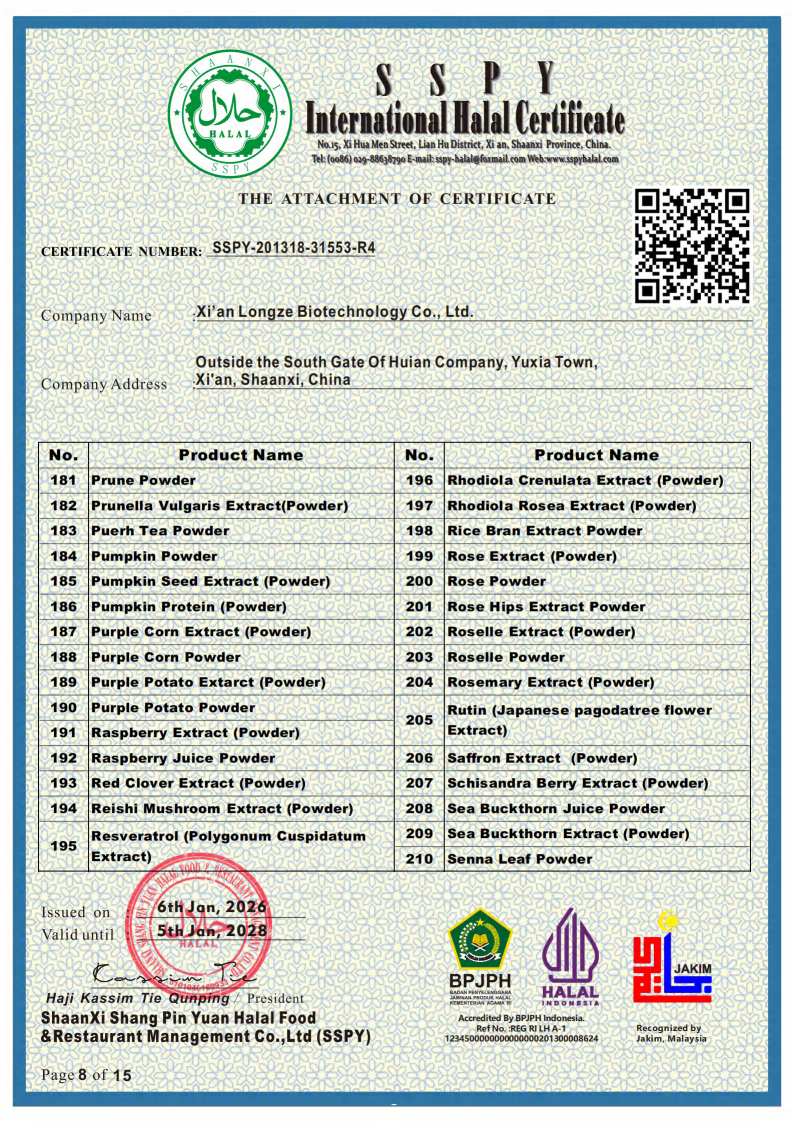
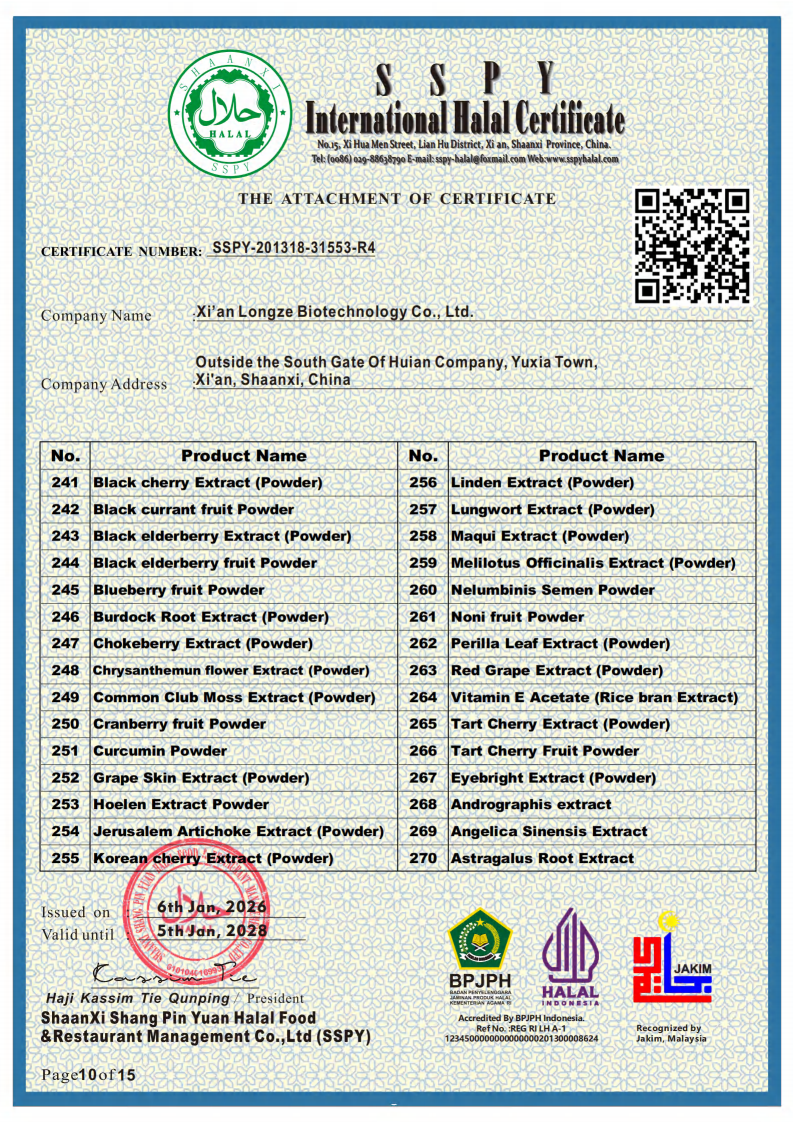
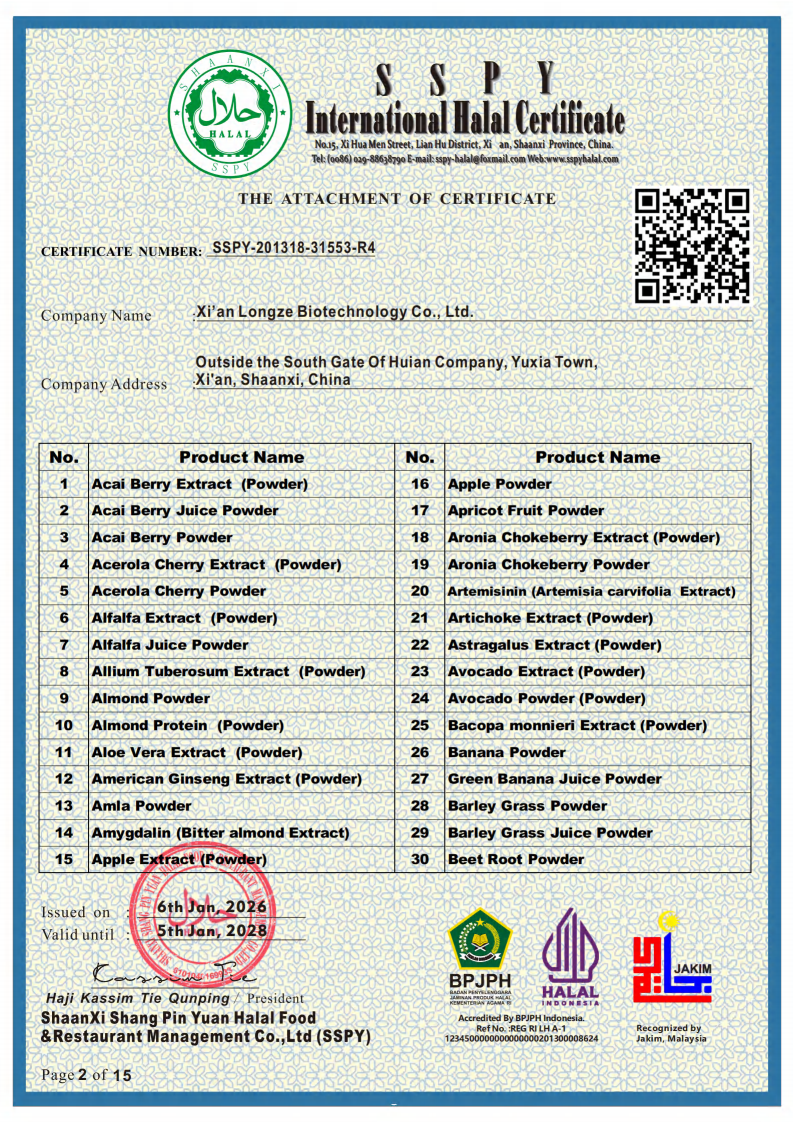
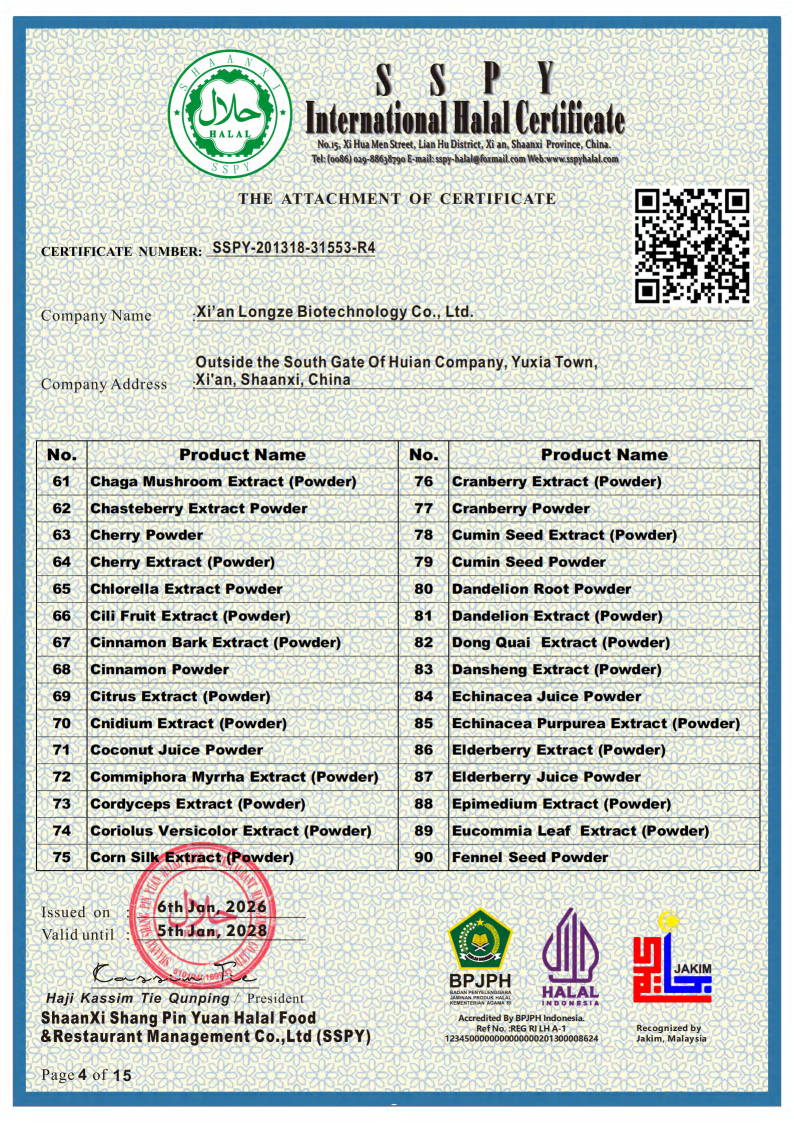
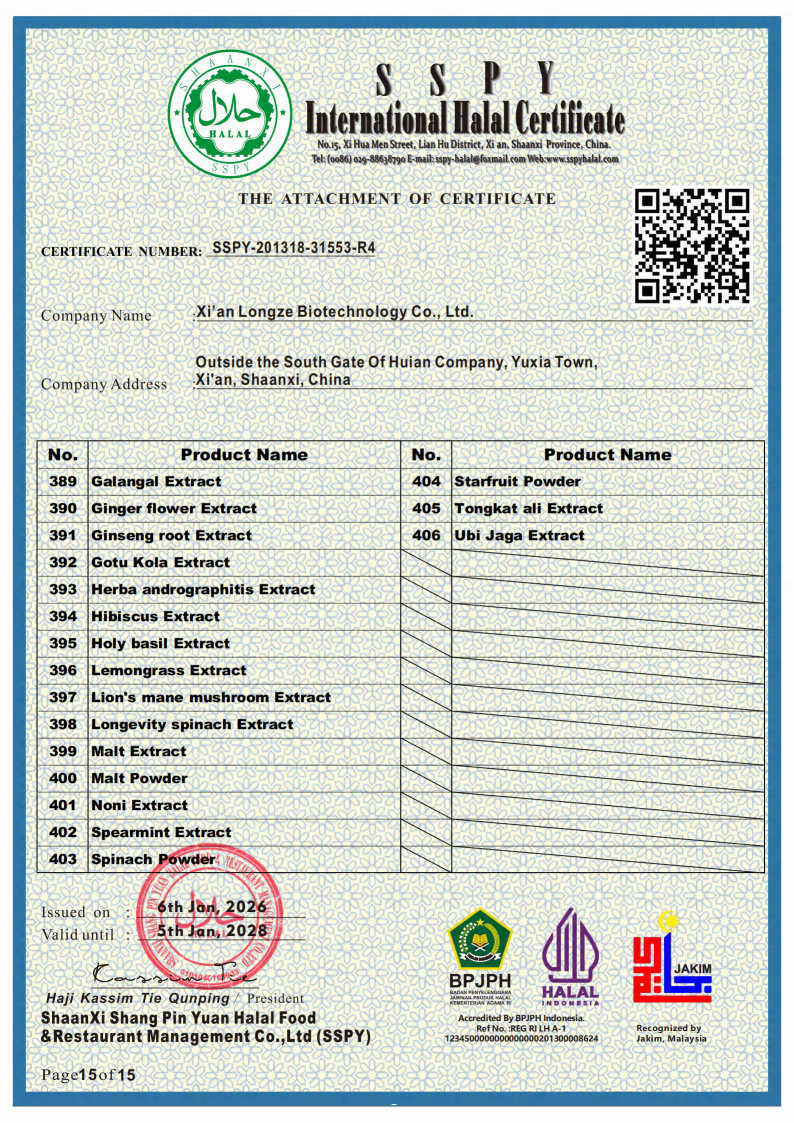
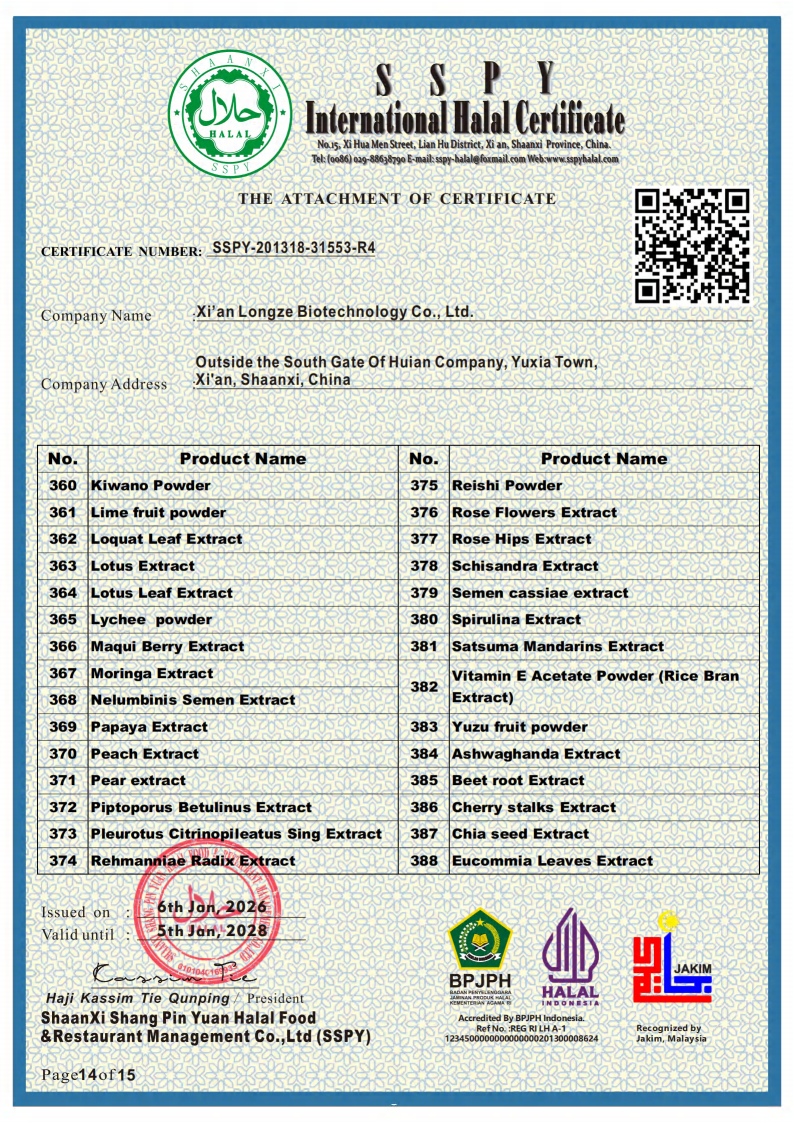
- State-of-the-Art cGMP Manufacturing Facility: Our standardized production plant operates under strict cGMP, ISO 9001, FSSC 22000, HACCP, HALAL, KOSHER, NOP Organic, and EU Organic certifications. Equipped with stainless steel extraction lines, continuous membrane concentration units, and 100,000-class cleanroom spray-drying towers.
- Pioneering Intellectual Property & Industry Standards: ISN Biotech Co., Ltd. holds 42+ national patents in plant active compound extraction and has spearheaded the drafting of 3 national industry group standards for berry-derived anthocyanins.
- Self-Owned Organic Raw Material Bases: We control thousands of acres of organic berry and botanical farming bases in unpolluted mountain regions, ensuring complete pesticide control and farm-to-extract traceability.
- Dual US Domestic Fulfillment Hubs (California & New Jersey): To serve North American clients with zero import risks, we maintain fully stocked regional distribution warehouses in California and New Jersey, facilitating next-day shipment dispatch across the US.